
Why selfies make your nose look bigger. And how to take a photo that looks like you.
Held at arm's length, your phone's front camera makes your nose look a little wider and your jaw slightly narrower than they are.
Same face, two distances
-
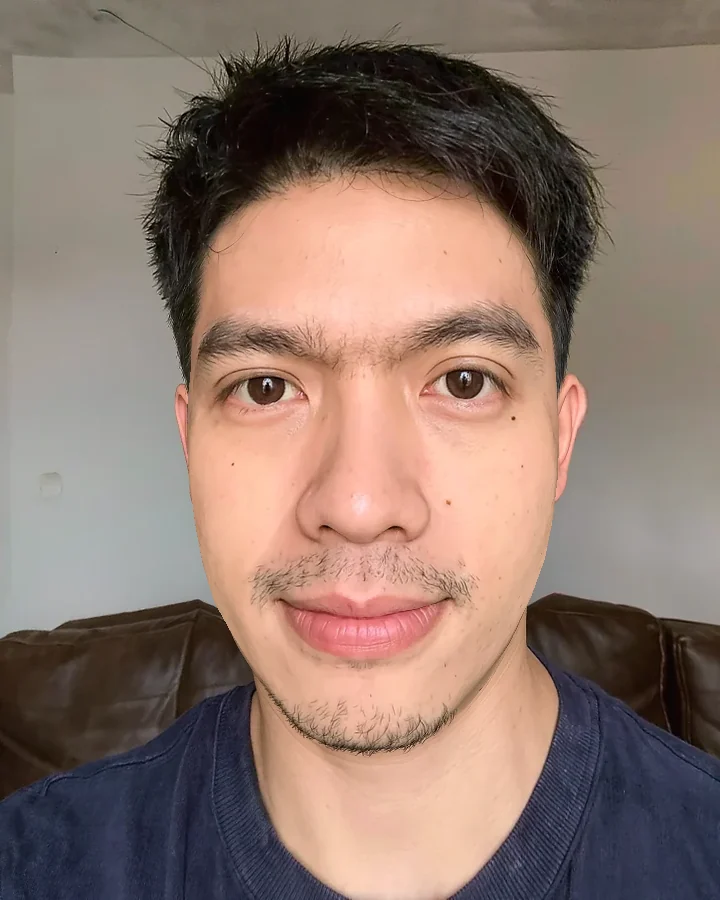
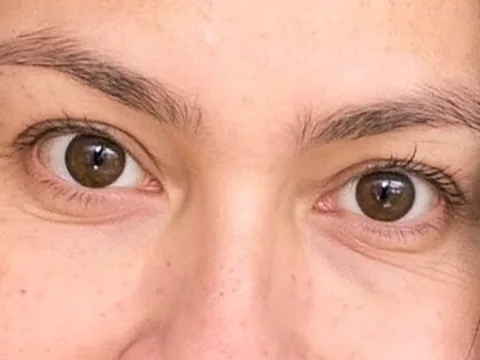
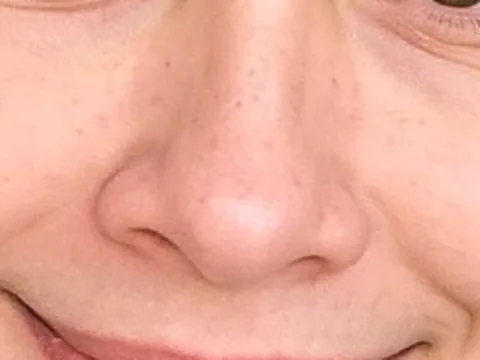
Arm's length, 30 cm Nose a little wider 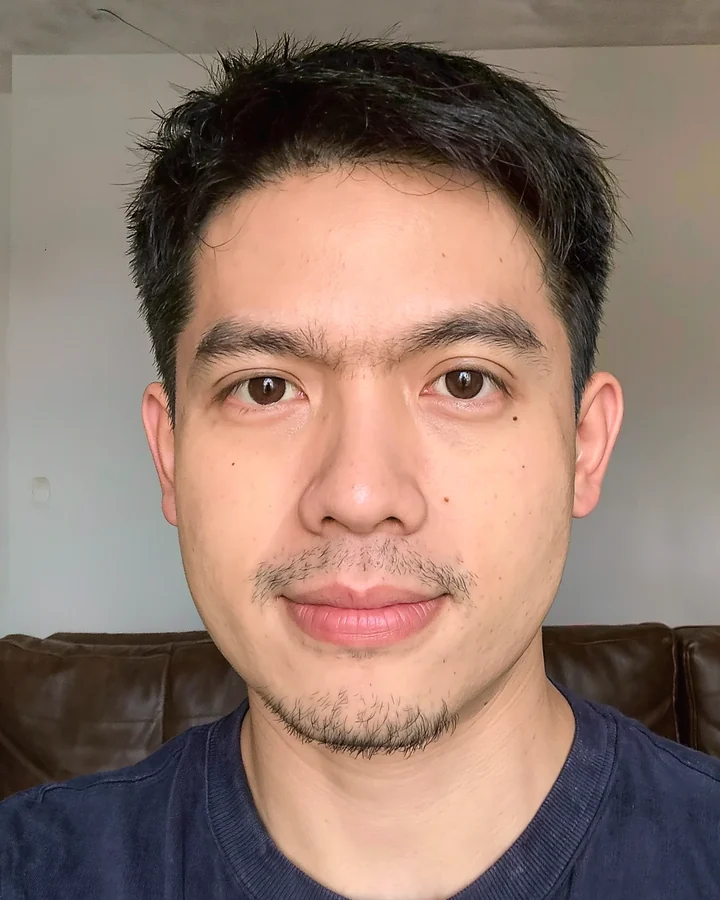
1.5 m away True proportions -

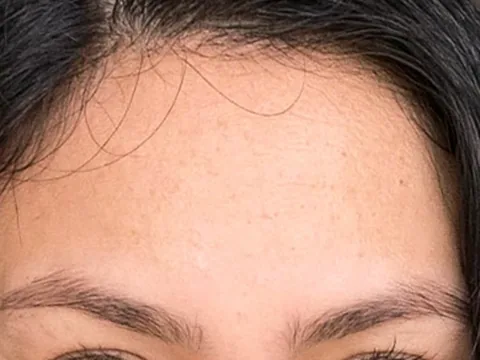
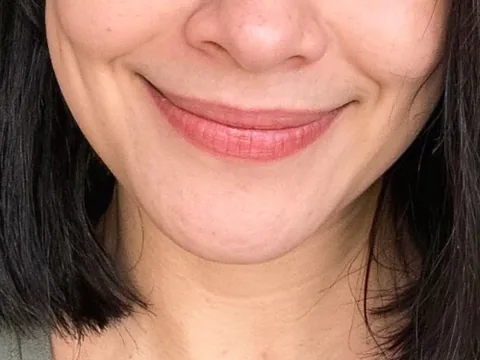
Arm's length, 30 cm Jaw slightly narrower 
1.5 m away True proportions
Left in each pair: as an arm's-length phone sees it.
Real widthWhat the camera shows
- Your nose looks wider. It's closest to the phone: about 4 to 5% wider at arm's length.
- Your jaw looks narrower. It sits further back from the lens: about 3% narrower.
- Your mirror is closer to the truth. It shows you from twice as far as you stand.
How much wider your nose looks, by phone distance
Most of the change happens in the first metre.
Try it: move your phone back
Drag the slider from a close selfie to across the room.
Real widthWhat the camera shows
Wide front camera, 30 cm away
How far the phone is from your face
cmArm's-length selfie
Jump to a distance (cm)
- Nose
- Looks a little wider
- +5%
- Jaw
- Looks slightly narrower
- −3%
What the phone camera draws at this distance.
See your face shape and what suits you
Free from one selfie. Too close, and CEVO asks for a retake.
Start free scanHow to take a photo that looks like you
-
Stand about 1.5 m back
Prop the phone on a shelf and use the timer, or ask a friend.
-
Use the 2x or 3x zoom
Switch to the back camera and zoom in until your face fills the frame. The front camera is too wide.
-
Keep the camera at eye level
Held low, it makes your jaw look heavier; held high, it shrinks your chin.
What CEVO gives you. From one selfie.
-
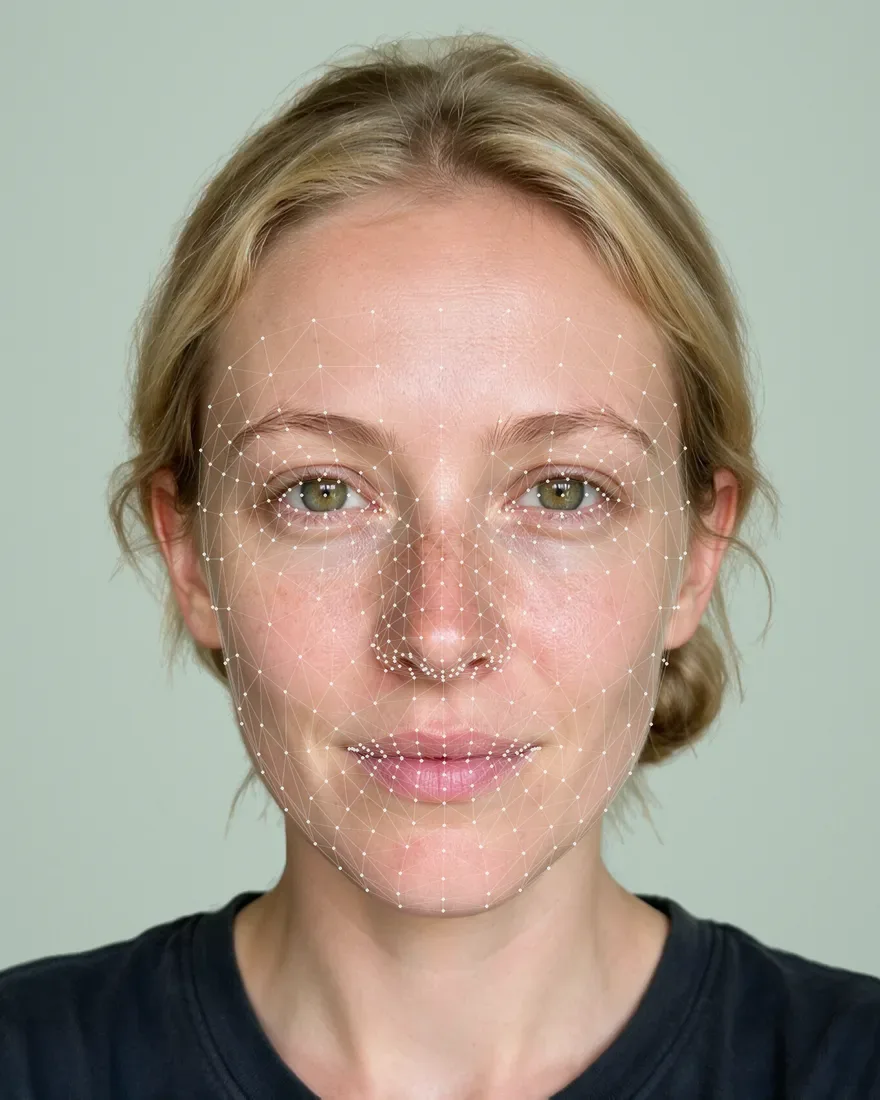
A 478-point face scan
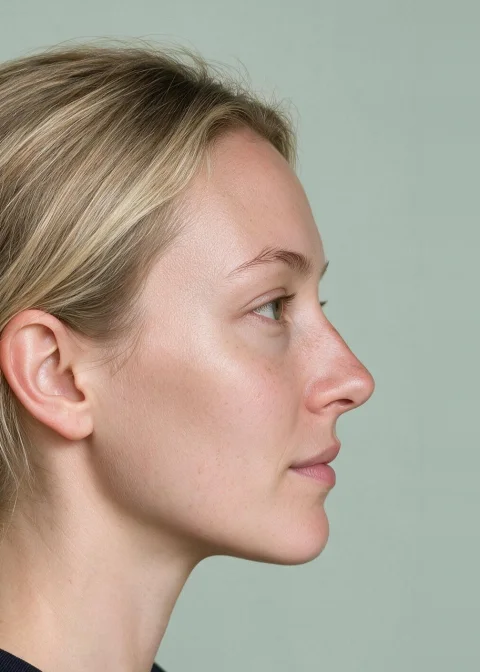
Every point of your face mapped from one selfie, plus a side photo for your profile.
-
169 tests, region by region
Twelve regions of your face measured, from brows to jawline, plus the age your face reads as.
-
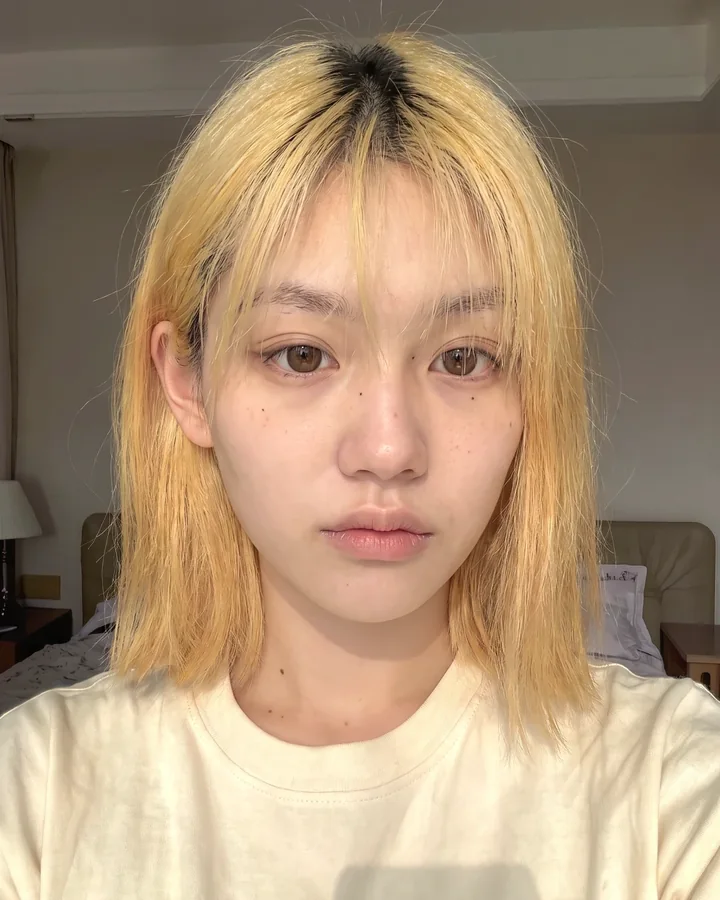
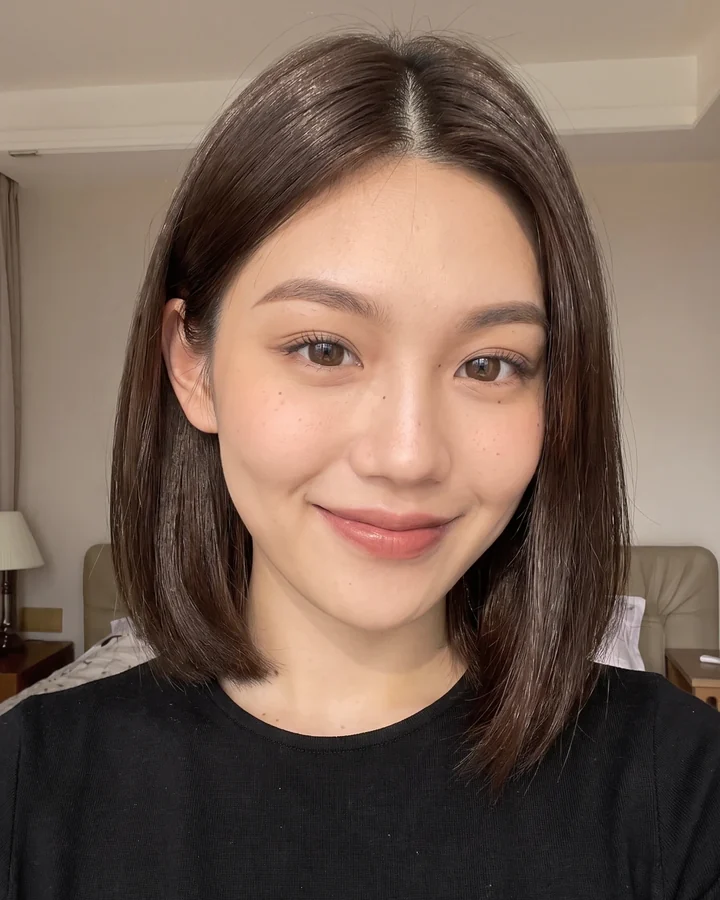
A natural glow-up on your own face
Hair, brows and skin changed on your photo. Your bone structure stays as it is.
-
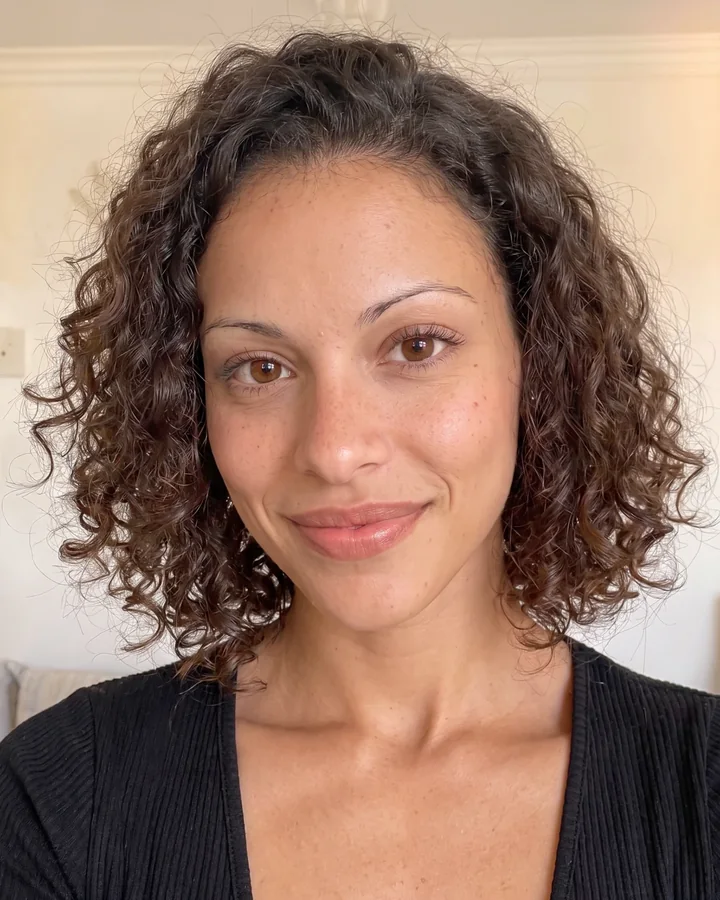
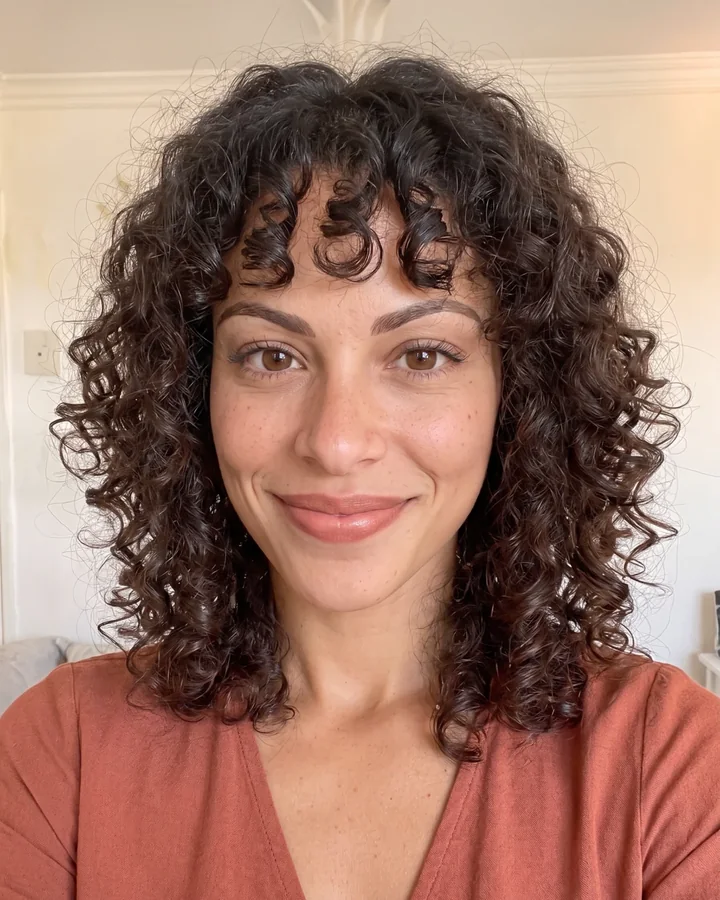
Hairstyles on your own face
The cuts that suit your face shape, side by side.
-
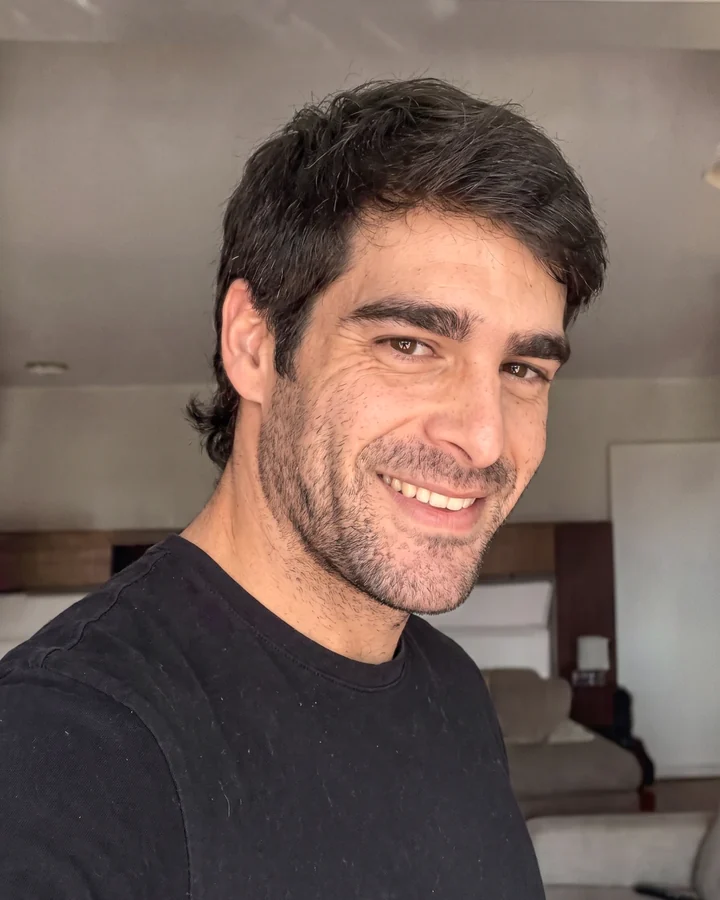

Brows, beard and makeup
Brow shape, beard length and makeup picked for your features.
-
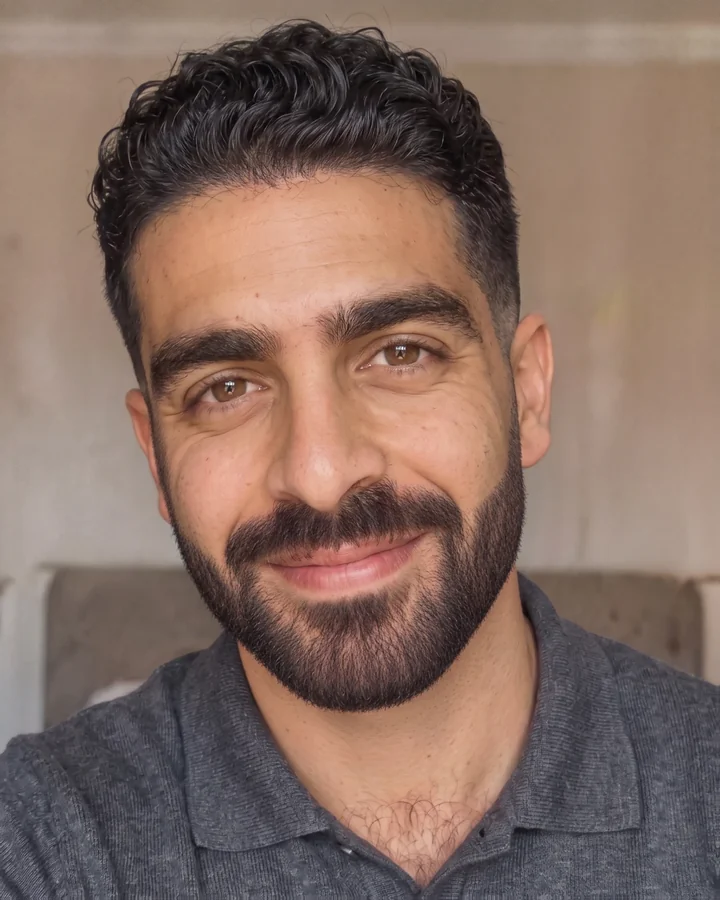
A 90-day routine
Hair, skin and grooming steps to follow for 90 days, made for your face.
-
$29
Basic Readout
- Up to 10 front-view tests
- Your facial balance breakdown, feature by feature
-
$59 Recommended
Complete Clinical Dossier
- Front and side: all 169 tests
- Glow-up and up to 3 hairstyles on your own face
- 90-day routine and your facial age
-
$119
Master Suite, the surgery pack
- Surgical simulation with a millimetre change map
- Surgeon-ready PDF and up to 10 hairstyles
- 4 re-scans over a year
One payment, no subscription. Every report is checked by our team and ready within 24 hours.
How the free scan works
-

1 Take a selfie
Prop your phone at eye level, about 1.5 m away. Too close, and CEVO asks for another photo.
-
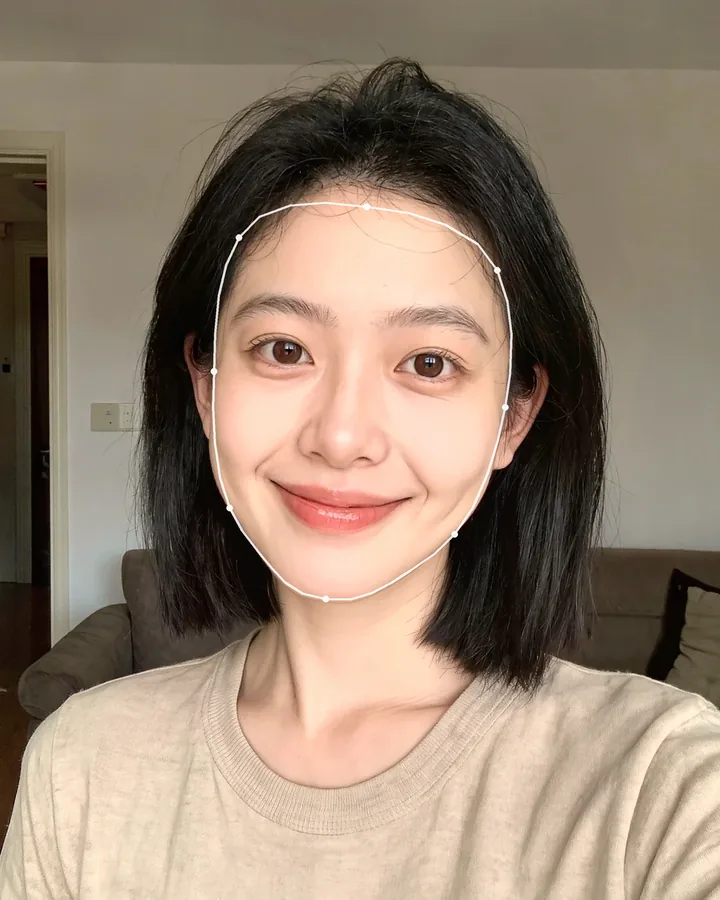
2 See your face shape and what suits you
Free: your face shape, your strengths and your first tips, in plain words.
-

3 Decide if you want more
See how many more tips are waiting for you. Unlock them only if you want them.
Start with one selfie
Your face shape and what suits you, free.
Questions
Why does my nose look bigger in selfies?
It's closest to the phone, so at arm's length (about 30 cm) the camera draws it a little wider: about 4 to 5%.
Is the mirror or the camera more accurate?
The mirror. Standing 75 cm from it, the light travels 150 cm to your eyes, like a photo from 1.5 m.
How far away should I hold my phone?
About 1.5 m (5 ft), with the 2x or 3x zoom.
How does CEVO know if my photo was taken too close?
It reads your iris size: adult irises are all about 12 mm wide. Too close, and it asks for a new photo. CEVO never edits your face.
The detail behind these numbers
The detail behind these numbers The full distance table, the geometry, what it does to face-ratio readings, and our sources.
The short answer
Why your nose looks wider and your jaw narrower: When you hold a phone 12 inches (30 cm) from your face, your nose is closer to the lens than your cheeks or ears. Close things are drawn bigger, so the wide front camera makes your nose look about 4 to 5% wider (5 to 6% at 25 cm), makes the sides of your face look a little narrower, and tucks your jaw corners behind your cheeks so your jaw looks about 3% narrower. It is a small change, but a face test that reads the photo counts it as part of your face.
Why selfies can mislead a face test: Any face test that reads an arm's-length selfie is reading the camera's stretch as well as your face. CEVO's scan reads your iris size (adult irises are about 11.7 mm ± 0.4 mm wide) to tell how close the camera was, and asks for a retake if the photo was taken too close.
The 3-step fix: You don't need a studio camera to see your real face in photos. (1) Stand 5 feet (150 cm) back instead of holding the phone at arm's length, (2) tap the 2x or 3x zoom (or use your back camera with a timer), and (3) hold the phone level with your eyes.
The distance table
These are the rounded outputs of the camera model behind the chart and the simulator, averaged over four example faces, for six phone distances measured from the phone to the tip of your nose: from a 10-inch (25 cm) close selfie in bed to a 6-foot (180 cm) photo across the room. Each width is compared with the same width in a photo from 1.5 m, with the eye line kept the same size. They are not measurements of real people. Notice how the nose widening and jaw narrowing fade once the camera is 4 to 5 feet (120–150 cm) away:
| Phone distance (d0) | How you hold the phone | Nose looks wider by | Jaw looks narrower by |
|---|---|---|---|
| 25 cm (10 in) | Very close selfie in bed / couch | +5% to +6% | −3% to −4% |
| 30–38 cm (12–15 in) | Everyday arm's-length selfie | +3% to +5% | −2% to −3% |
| 50 cm (20 in) | Fully stretched arm / selfie grip | +2% | −2% |
| 75 cm (30 in / 2.5 ft) | Laptop webcam | +1% | −1% |
| 120 cm (47 in / 4 ft) | Phone propped on shelf / 2x zoom | under 1% | under 1% |
| 150–180 cm (5–6 ft) | Real mirror reflection / 3x zoom | Real size | Real width |
How the simulator draws each distance
The photos and the slider use a pinhole camera: a point on the face that sits z cm behind the tip of the nose is drawn at a size proportional to 1 ÷ (D + z), where D is the distance from the phone to the tip of the nose. The depth of each of the face's 468 points comes from MediaPipe's metric canonical face model (in centimetres), scaled to each example face with its 11.7 mm iris as the ruler. On these faces the nose wings sit about 2.0 cm behind the nose tip, the eye corners 3.8 cm, the jaw corners 7.5 cm and the face's edge by the ears 9.2 cm.
Each point of the photo, taken as a photo from 1.5 m, is moved to where a camera at D would draw it, with the eye line kept the same size, the way you would line two photos up side by side. The photo is then reshaped triangle by triangle over MediaPipe's 898-triangle face mesh. Outside the face outline the head is taken to curve about 3 cm further back, and the edges of the photo stay where they are. Parts of the face that turn away behind nearer parts are hidden, so the jaw width is read at the face outline you actually see, on the highest row that stays clear of the lower lip at every distance on the slider (about 1 cm under it). The simulator's numbers come from the lines drawn on the face you picked. At 30 cm the nose reads 4 to 5% wider on the four example faces, and the jaw 1 to 4% narrower: the jaw outline narrows more higher up, so the number depends on how far under the lips it can be read on each face.
Ward et al. (2018) calculated that a photo from 12 inches (30 cm) makes the nose base look about 30% wider, relative to the width between the cheekbones, than a photo from 5 feet. Measured the same way (nose width divided by the visible cheekbone width), this model gives about 13% at 30 cm: Ward's head was built from average head measurements, this one from MediaPipe's face model. MediaPipe's face puts the cheekbones less far behind the nose than Ward's average head, so it gives the smaller, more cautious number. The simulator's numbers are smaller again because it compares each width with itself, not the nose with the cheekbones.
Why a close camera changes your face
People often blame "cheap glass" in their phone for bad selfies, but the real culprit is how close the camera is to your nose compared to your ears. Because your face is three-dimensional, not a flat sheet of paper, holding a wide-angle lens right in front of your nose puts it much closer to the lens than the rest of your face (Δz vs. camera distance d0):
Why your nose looks wider while your jaw looks narrower
Touch the tip of your nose, then touch the back corner of your jaw below your ears. On the example faces (MediaPipe's face model, scaled by each iris), your nose wings sit about 2.0 cm behind the tip of your nose, your eye corners about 3.8 cm and your jaw corners about 7.5 cm. When you stand 2.5 feet (75 cm) from a bathroom mirror, the light travels 5 feet (150 cm) round-trip, so those few centimetres barely change how big each part looks.
A camera draws each point in proportion to 1 ÷ its distance
M(z) = fD + z
Phone 30 cm from the tip of your nose: nose wings 30 + 2.0 = 32.0 cm away, jaw corners 30 + 7.5 = 37.5 cm away
Nose size compared with jaw = 37.5 cm32.0 cm = 1.17
From 1.5 m: 157.5 ÷ 152.0 = 1.04
Next to the jaw, the nose is drawn about 13% larger than in a photo from 1.5 m
This two-point sum only shows why the effect happens. The chart, the simulator and the distance table move every one of the face's 468 points and read the jaw on the face outline you actually see, just under the lower lip, where the jaw sits nearer the lens than its back corners. That is why each width on its own changes by less (nose about 4 to 5% wider, jaw about 3% narrower at 30 cm).
How CEVO spots a too-close selfie (11.7 mm iris ruler)
Any face test that reads an arm's-length selfie is reading the camera's stretch as well as your face. CEVO reads your iris size first, so it knows how close the camera was.
First, find camera distance using your 11.7 mm eye iris
d0,est = fpx · 11.7 mmpiris,px · cos θyaw
Adult iris width stays close to 11.7 mm ± 0.4 mm (Rüfer et al., 2005), so the iris works as a built-in millimetre ruler. CEVO's scan reads your iris size to tell how close the camera was (d0), and asks for a retake if the photo was taken too close. Try it at cevolab.com/start.
What it does to face-ratio readings
The same close photos also change numbers that face tests read. Your facial width-to-height ratio (FWHR) reads lower than it really is, because the edges of your cheeks and jaw sit further from the lens than the middle of your face, so a close camera draws your face narrower for its height.
Eye corner tilt (canthal tilt) can shift too, and a camera pointed up from your chest changes how the eye corners line up again. Read both from a level photo taken from about 1.5 m.
The photo setup in detail
Stand 5 feet (150 cm) back
Never take a close-up at 12 inches (30 cm). Prop your phone on a shelf, window ledge, or coffee mug 4 to 5 feet (120 cm to 150 cm) away and turn on the 3-second timer, or ask a friend to take two steps back. From 150 cm, the 4 to 5% nose widening of an arm's-length selfie is gone.
Switch to the 2x or 3x zoom lens
Your phone's default 1x camera is a wide-angle 24 mm lens built for landscapes, not faces. Once your phone is 5 feet (150 cm) away, tap the 2x (50 mm) or 3x (77–85 mm) telephoto button so your head fills the frame cleanly without wide-angle stretching.
Hold the phone level with your eyes (0° tilt)
Pointing the camera up from your chest makes your jaw look heavy and changes how your eye corners seem to tilt, while holding it high above your forehead shrinks your chin. Keep the lens level with your eyes and relax your jaw.
Sources
-
Ward B, Ward M, Fried O, Paskhover B (2018). Nasal Distortion in Short-Distance Photographs: The Selfie Effect. JAMA Facial Plastic Surgery, 20(4), 333–335.
-
Třebický V, Fialová J, Kleisner K, Havlíček J (2016). Focal Length Affects Depicted Shape and Perception of Facial Images. PLoS ONE, 11(2), e0149313.
-
Farkas LG, Katic MJ, Forrest CR (2005). International anthropometric study of facial morphology in various ethnic groups/races. Journal of Craniofacial Surgery, 16(4), 615–646.
-
Rüfer F, Schröder A, Erb C (2005). White-to-white corneal diameter: normal values in healthy humans obtained with the Orbscan II topography system. Cornea, 24(3), 259–261.
-
Bryan R, Perona P, Adolphs R (2012). Perspective distortion from interpersonal distance is an implicit visual cue for social judgments of faces. PLoS ONE, 7(9), e45301.
The charts and share cards on this page are free to reuse under CC-BY 4.0, with a link to cevolab.com.
See what suits your face. Free, from one selfie.
Your face shape, your strengths and your first tips, free from one selfie. A report unlocks the rest.
Start free scan
See what suits your face, free
Start free scan