
FWHR calculator. See how wide the middle of your face is for its height.
Put four dots on your face to see if it's wide or narrow for its height, and the haircuts and glasses that suit it.
Free, and your photo never leaves this device.

Drag any dot to fine-tune it. The result updates as you go.
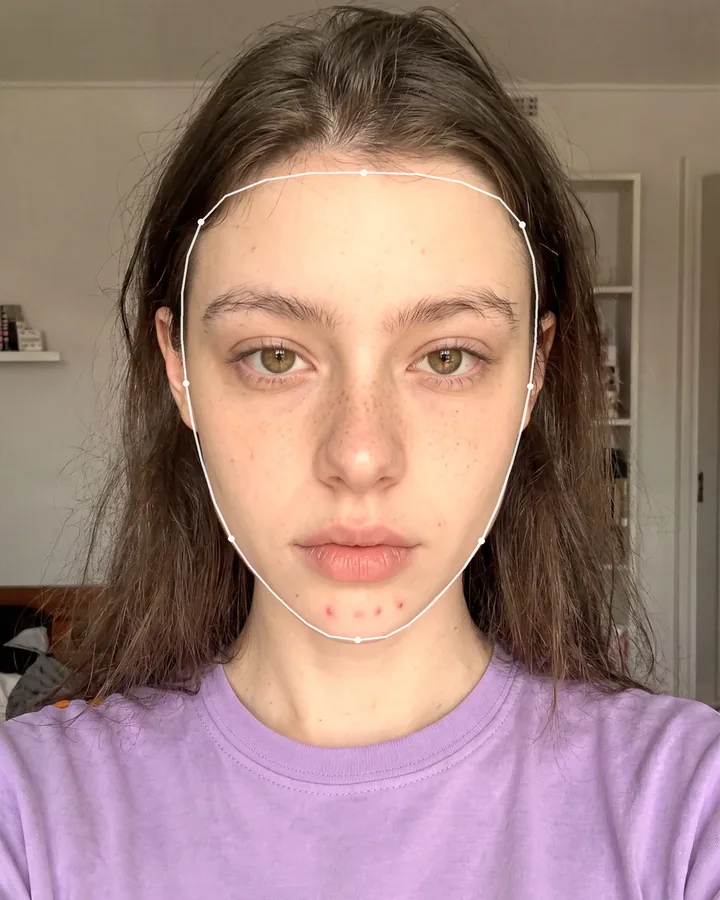
The middle of this face is
Wide and short
The cheekbones are wide for the height from the eyes to the lip.
Drag the dots, or use your own photo.
- FWHRAbout 2.1
What suits this face
Tap Men or Women to see haircuts.
- Haircuts
- Beard
- Glasses
This box is one part of your face. The free scan reads all of it.
Free from one selfie: your face shape, your strengths and your first tips.
Start free scanDrag a pin, or select it and use the arrow keys.
See what suits your face, free
Start free scanWhat your result means
- One box in the middle of your faceCheekbone width divided by the height from between the eyes to the upper lip. Forehead and chin don't count.
- A styling guide, not a scoreThere's no right FWHR. Your number picks one of three groups and its styles.
- The photo mattersA phone held close lowers the number. Shoot from about 1.5 m (5 ft), at eye level.
What you can change
Hair changes how wide your face looks. Changes that suit the result above come first.
-
Before After 
From a bob to long side-parted layers
Hair past the jaw and a side part lengthen the face. Suits wide and short.
-
Before 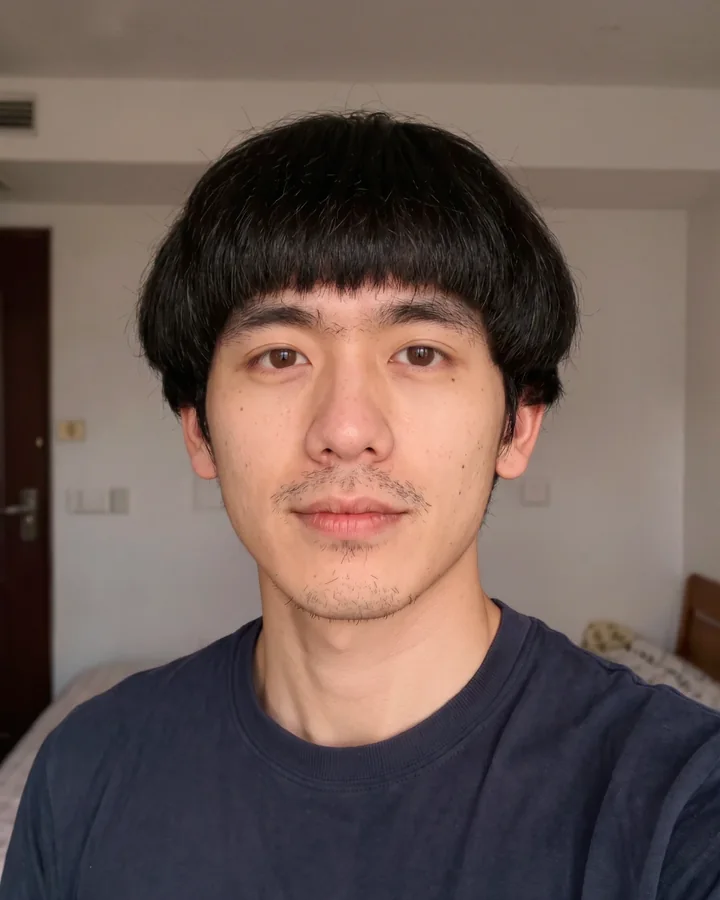
After 
Short sides, parted top, no heavy fringe
Close sides and an open forehead add length. Suits medium or wide faces.
-
Before 
After 
Collarbone-length layers with caramel highlights
Layers to the collarbone keep the balance. Brows and makeup changed too. Suits medium.
-
Before 
After 
A textured crop, clean-shaven
Short textured top, even sides. Suits medium.
-
Before 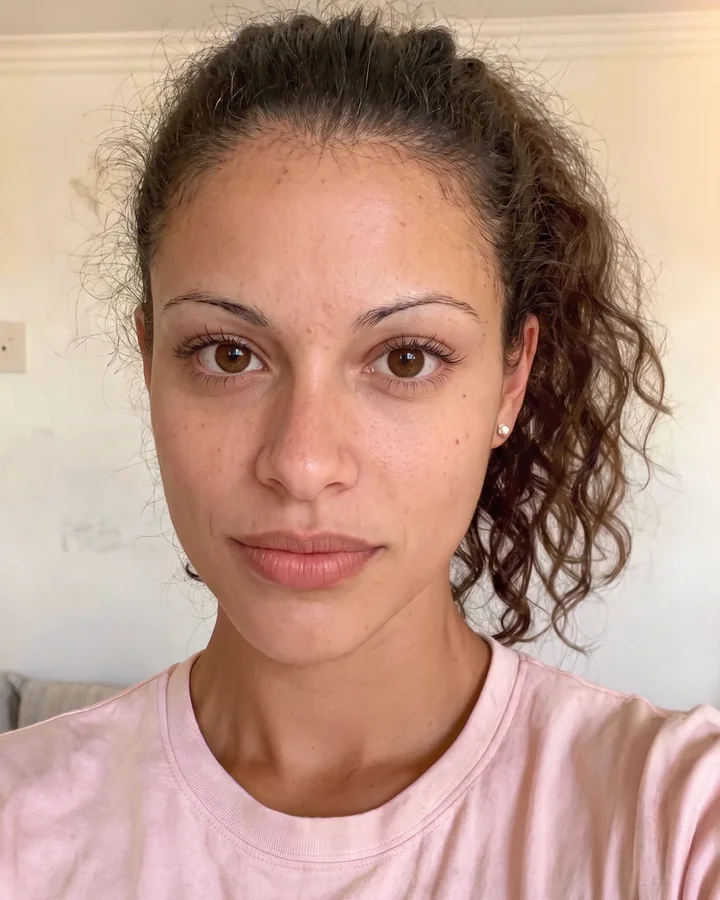
After 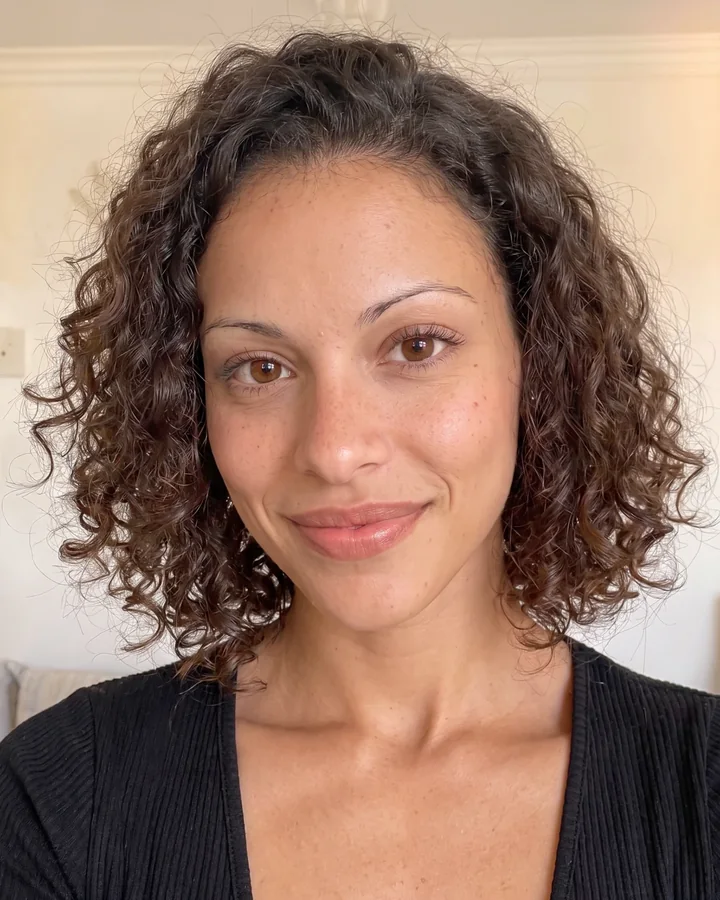
A curly bob
Fullness at the sides adds width. Suits long and narrow.
Three kinds of FWHR
Tap one to see what suits it.
The face above
Wide and short
The cheekbones are wide for the height from the eyes to the lip.
- Haircuts
- Keep the sides close to the face and add height on top. A textured quiff with a mid taper.
- Glasses
- Taller frames, rectangular or slightly cat-eye, a touch narrower than your face, to add height.
How the free scan works
-
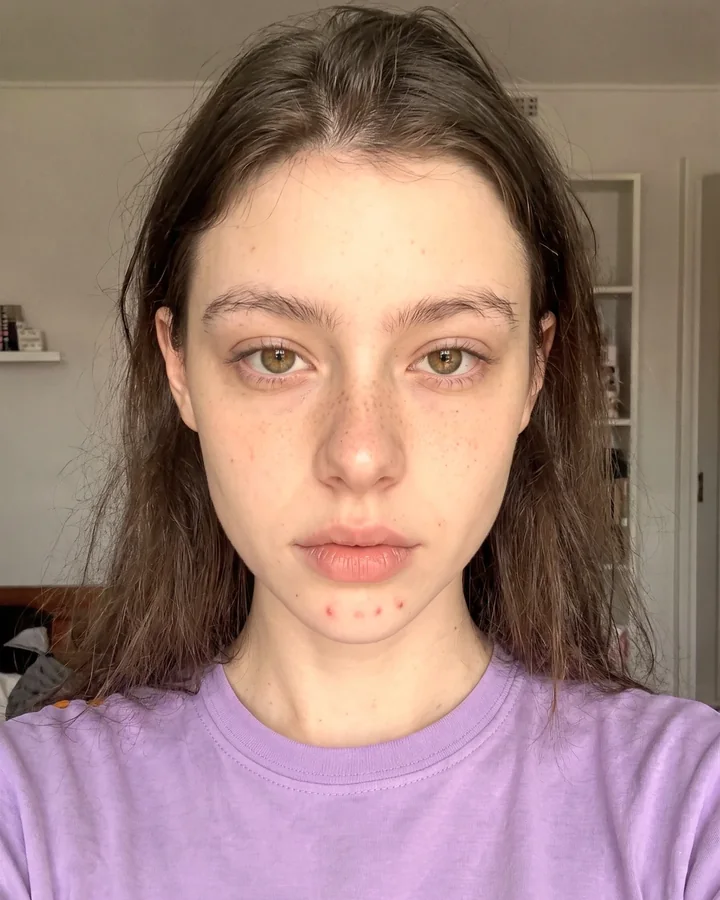
1 Take a selfie
Prop your phone at eye level, about 1.5 m away. Too close, and CEVO asks for another photo.
-
2 See your face shape and what suits you
Free: your face shape, your strengths and your first tips, in plain words.
-
3 Decide if you want more
See how many more tips are waiting for you. Unlock them only if you want them.
Start with one selfie
Your face shape and what suits you, free.
What CEVO gives you. From one selfie.
-
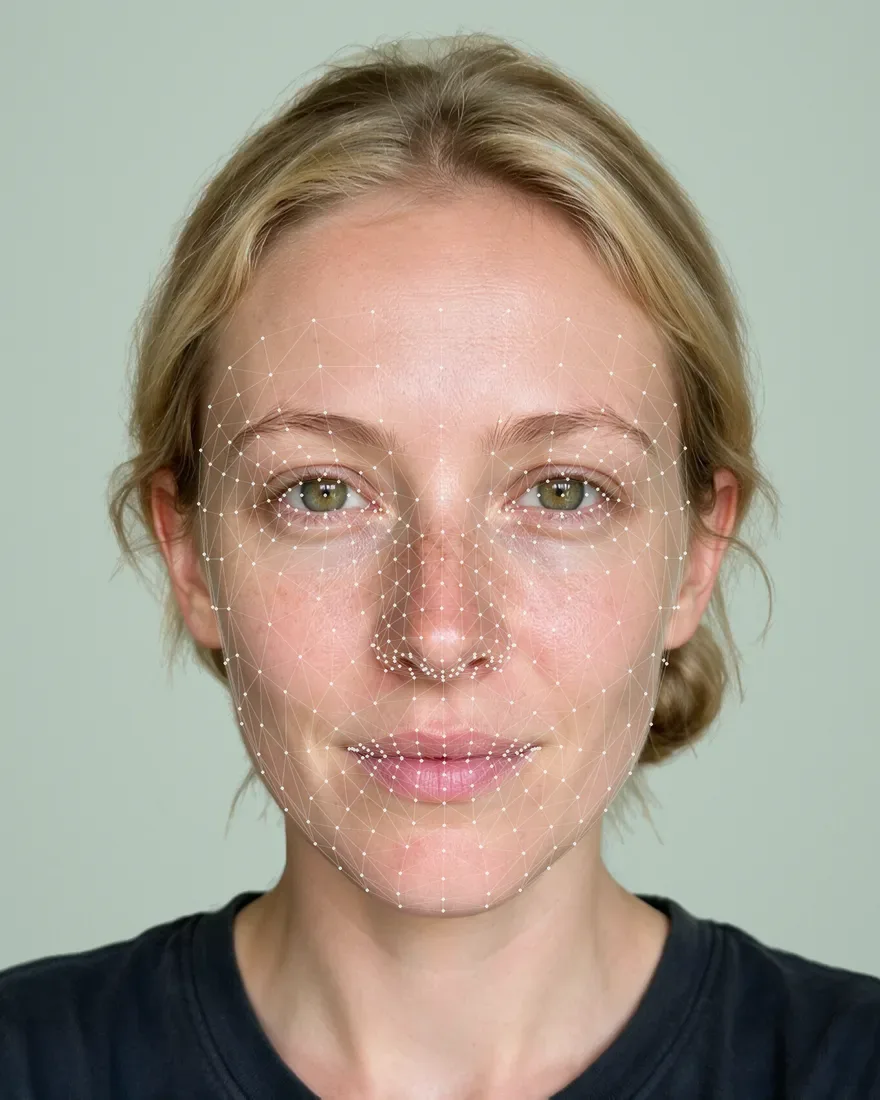
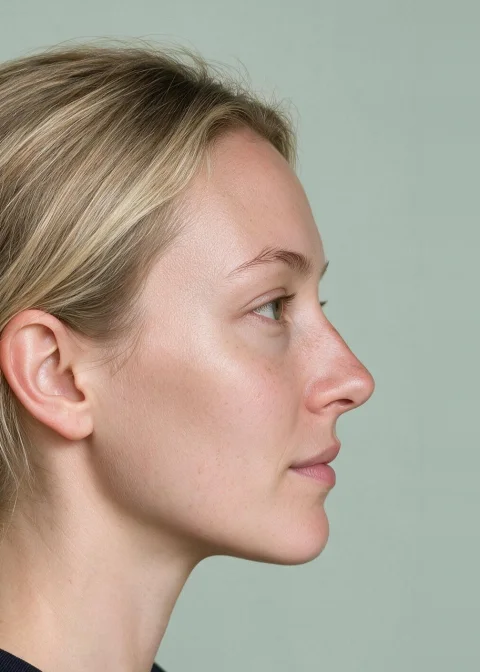
A 478-point face scan
Every point of your face mapped from one selfie, plus a side photo for your profile.
-
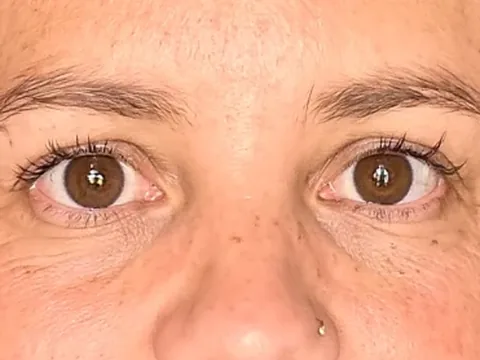
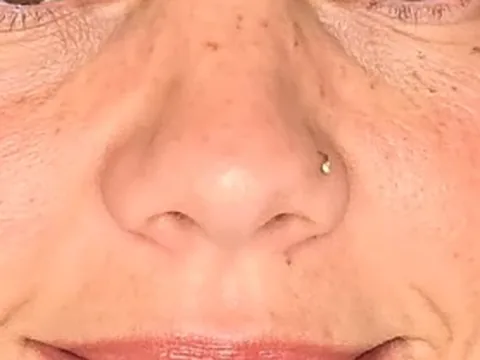
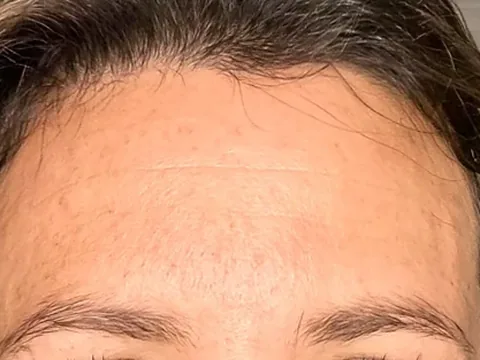
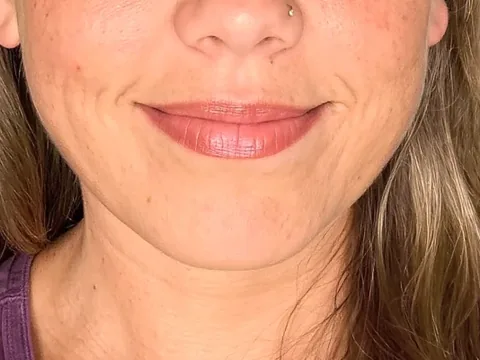
169 tests, region by region
Twelve regions of your face measured, from brows to jawline, plus the age your face reads as.
-
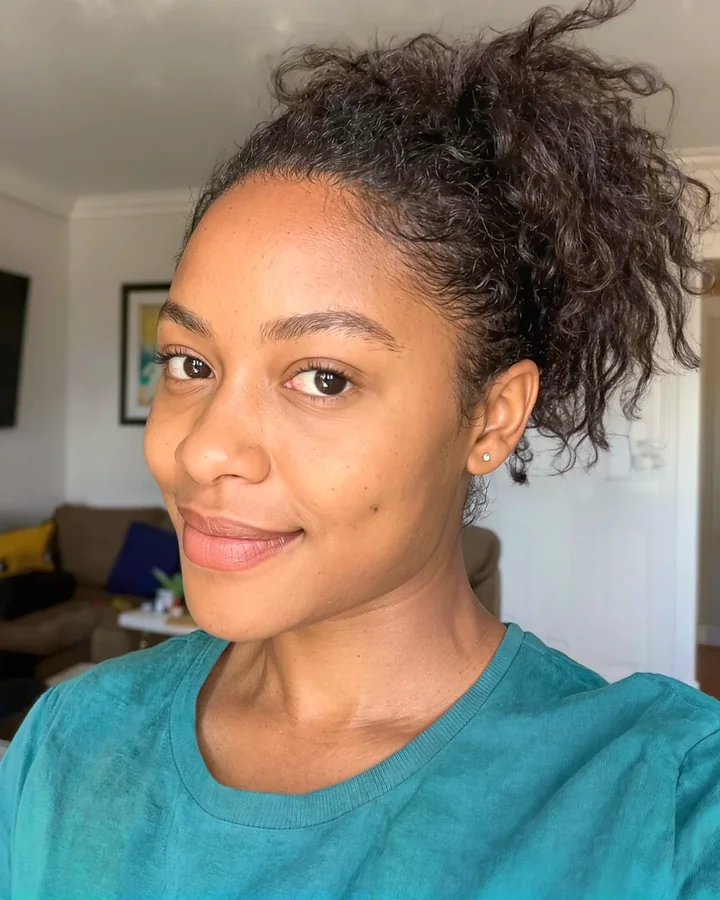
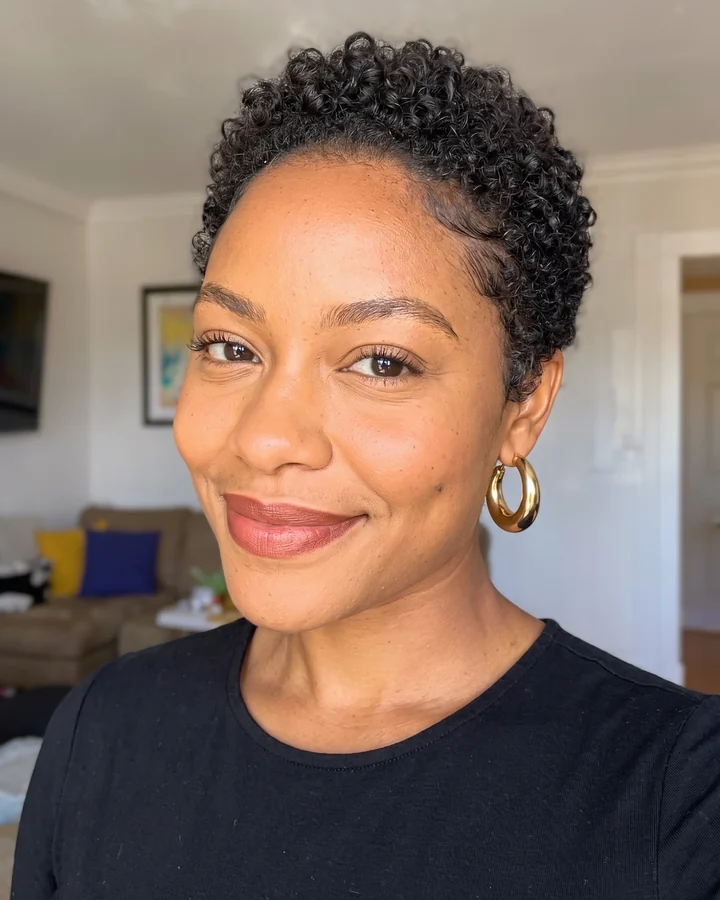
A natural glow-up on your own face
Hair, brows and skin changed on your photo. Your bone structure stays as it is.
-

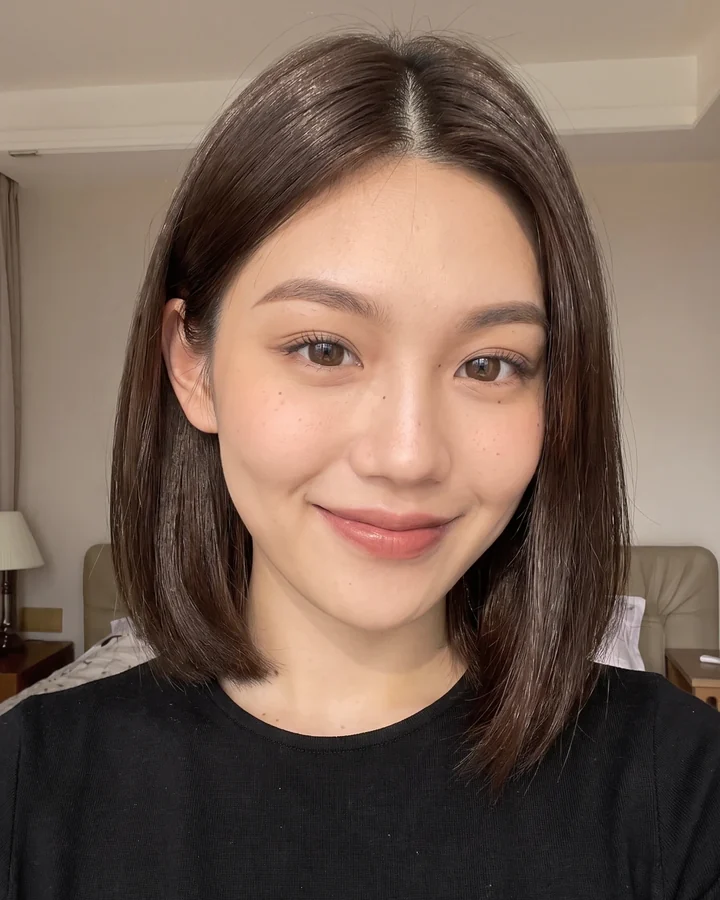

Hairstyles on your own face
The cuts that suit your face shape, side by side.
-


Brows, beard and makeup
Brow shape, beard length and makeup picked for your features.
-
A 90-day routine
Hair, skin and grooming steps to follow for 90 days, made for your face.
-
$29
Basic Readout
- Up to 10 front-view tests
- Your facial balance breakdown, feature by feature
-
$59 Recommended
Complete Clinical Dossier
- Front and side: all 169 tests
- Glow-up and up to 3 hairstyles on your own face
- 90-day routine and your facial age
-
$119
Master Suite, the surgery pack
- Surgical simulation with a millimetre change map
- Surgeon-ready PDF and up to 10 hairstyles
- 4 re-scans over a year
One payment, no subscription. Every report is checked by our team and ready within 24 hours.
Questions
How do I work out my FWHR?
Put the four dots on your photo above, or divide your cheekbone width by the height from between your eyes to your upper lip.
What's a normal FWHR?
There's no single normal number, because studies measure from different points. This page sorts it into three styling groups.
Why is my FWHR lower in selfies?
A phone held close stretches the middle of your face and hides the outer edge of your cheekbones, so the width shrinks.
Which haircut suits a low or high FWHR?
At 1.7 or less, keep volume at the sides and add a fringe. At 2.1 or more, keep the sides close and add height on top. In between, most cuts work.
Does losing weight change my FWHR?
A little. The dots sit on skin over bone, so a big weight change can nudge the number.
How the FWHR calculator measures your face
How the FWHR calculator measures your face The two lengths behind your number, how the three groups are set, and the studies behind them.
We measure two lengths: across the cheekbones, and from between the eyes, at the top of the nose, to the top of the upper lip. Below: where each dot goes, how the three groups are set with the four example faces measured, why selfies lower the number, and our sources.
How to measure FWHR correctly
Many people measure their whole head, hairline to chin, when they work out FWHR with a ruler. Leave out your forehead and lower jaw: that full-head measurement is the Facial Index. FWHR only measures the middle box of your face (originally standardized on human skulls by Weston et al. 2007 and living photographs by Carré & McCormick 2008).
- Outer cheekbone width (bizygomatic breadth)Find the widest point of your face on each side, just below the eye, where the cheek meets the side of the head.
- Eye-to-upper-lip height (upper facial height)Measure straight down from between your eyes, at the top of your nose, to the top border of your upper lip (just below your philtrum).
- No ruler neededFWHR is one length divided by another on the same photo, so the size of the photo cancels out.
FWHR = cheekbone width ÷ eye-to-lip height
| Measured by hand with a ruler | Example |
|---|---|
| Cheekbone to cheekbone | 140 mm |
| Between the eyes to the top of the upper lip | 75 mm |
| FWHR, the first divided by the second | about 1.9 |
How the three groups are set, with the example faces measured
This calculator doesn't rank you against other people. Studies measure FWHR from slightly different points, on skulls in Weston et al. (2007) and on photos in Carré & McCormick (2008), so their numbers can't be compared directly with each other or with the dots on this page. Kramer (2017) pooled many of these studies to compare men and women, and Farkas et al. (2005) found clear differences in face proportions between ethnic groups: two more reasons a single "normal" number can mislead.
Instead, the page sorts your number into three styling groups we set ourselves: 1.7 or less is long and narrow, about 1.9 is medium, and 2.1 or more is wide and short. At 1.8 or 2.0 you sit on the line between two groups, and the page shows the styles of both, because moving one dot a little can tip the number either way. The groups only decide which haircuts and glasses the page suggests; they are not medical categories. Men and women share the same groups, and the Men and Women switch only changes the style ideas. Here are the four example faces, measured with the dots this page starts on:
| Example face | FWHR | Group |
|---|---|---|
| Example face 1 (woman) | 2.1 | Wide and short |
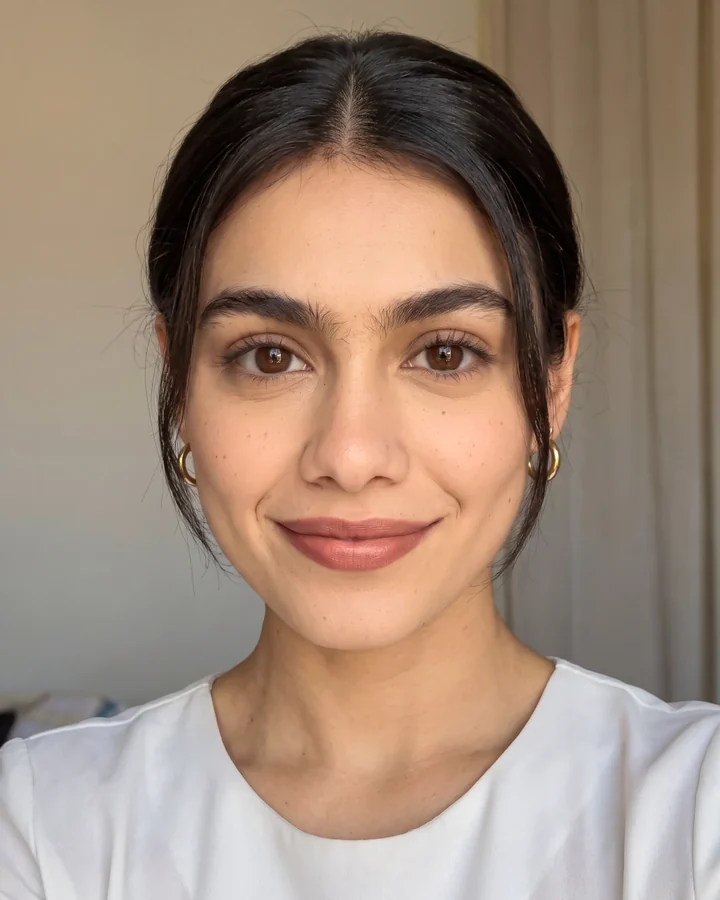
| Example face 2 (man) | 1.9 | Medium |
| Example face 3 (woman) | 2.0 | Between medium and wide |
| Example face 4 (man) | 2.0 | Between medium and wide |
Why close-up phone selfies make your face look narrower than it really is
A front-camera selfie usually reads a lower FWHR than your face measures in person. At arm's length, your nose and lip are much closer to the lens than the outer edges of your cheekbones. The phone's wide lens stretches the middle of your face and tucks the edges of your cheekbones out of view, so the width shrinks next to the height.
For a fair reading, ask someone to take your photo from about 1.5 m (5 ft) away at eye level, using the phone's 2x or 3x lens, or run CEVO's free scan. CEVO's scan reads your iris size to tell how close the camera was, and asks for a retake if the photo was taken too close. Our selfie distortion study explains the optics.
Sources
-
Weston EM, Friday AE, Liò P (2007). Biometric Evidence that Sexual Selection Has Shaped the Hominin Face. PLoS ONE, 2(8), e710.
-
Carré JM, McCormick CM (2008). In your face: facial metrics predict aggressive behaviour in the laboratory and in varsity and professional hockey players. Proceedings of the Royal Society B: Biological Sciences, 275(1651), 2651–2656.
-
Kramer RSS (2017). Sexual dimorphism of facial width-to-height ratio in human skulls and faces: A meta-analytical approach. Evolution and Human Behavior, 38(3), 414–420.
-
Farkas LG, Katic MJ, Forrest CR (2005). International anthropometric study of facial morphology in various ethnic groups/races. Journal of Craniofacial Surgery, 16(4), 615–646.
See what suits your face. Free, from one selfie.
A few minutes: your face shape, your strengths and your first tips.
Start free scan