
Midface ratio calculator. Is the middle of your face long, square or compact?
Put three dots on your eyes and lip. The dashed square shows the answer.
Free, and your photo never leaves this device.

Drag any dot to fine-tune it. The result updates as you go.
Your midface
Longer midface
Your lip sits just below the dashed square: the drop from your eyes to your lip is longer than the gap between your pupils.
- Your midface ratioAbout 0.9
What suits this face
- Glasses
- Frames with a lower bridge, like a Wayfarer or a round acetate frame.
- Hair
- Some volume at cheek level, if you'd like the middle of your face to look shorter.
- Brows
- Straighter brows. Keep the lower edge full when you shape them.
Your midface is one part of your face.
See your face shape, your strengths and your first tips, free from one selfie.
Start free scanDrag a pin, or select it and use the arrow keys.
See what suits your face, free
Start free scanWhat your result means
- The middle of your faceYour pupil gap divided by the drop from your eyes to your upper lip. About 1.0: your lip sits on the bottom of the dashed square.
- Equal is a reference, not a targetLip below the square (0.9 or lower): a longer midface. Lip inside it (1.1 or higher): a compact one. None is better.
- The photo mattersA phone held close lowers the number. Shoot from about 1.5 m (5 ft), at eye level.
What you can change
Each change is for one result.
-
Before After 
For a longer midface
Curtain layers at the cheeks, groomed brows
Width at the cheeks shortens the middle.
-
Before 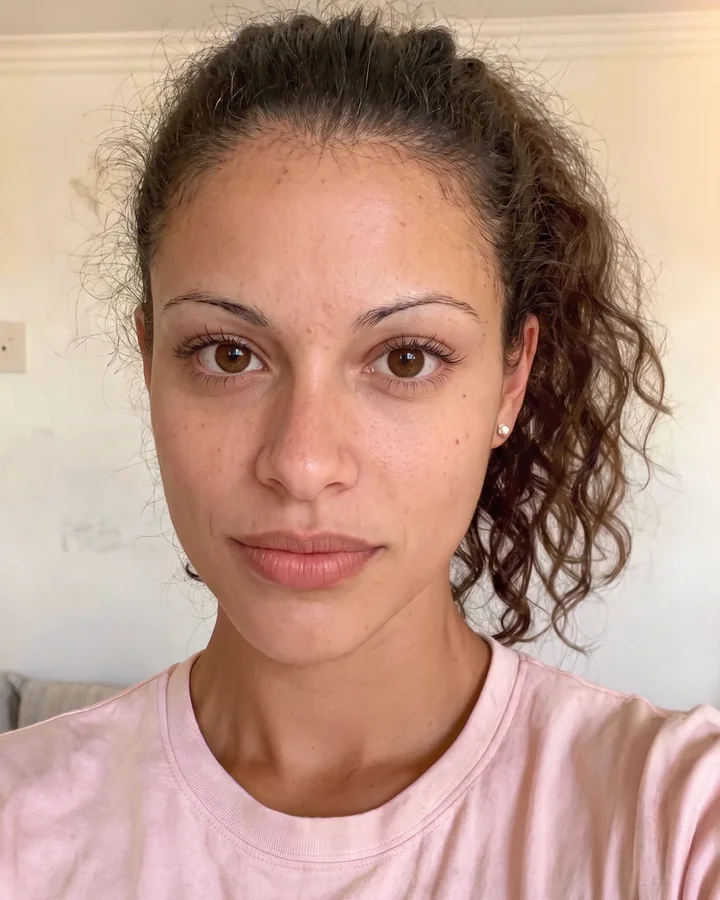
After 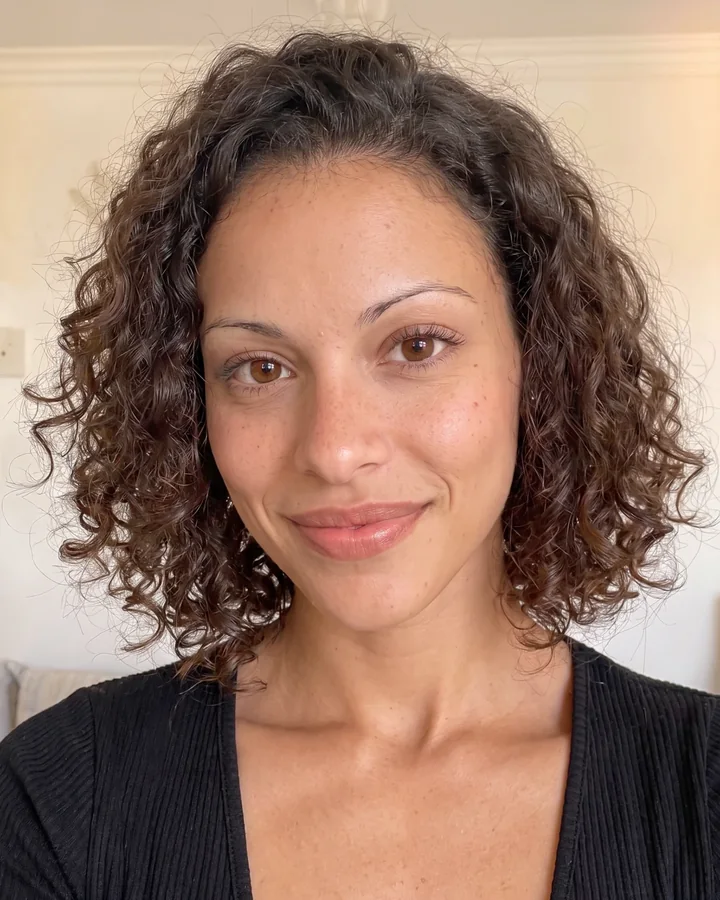
For a longer midface
From pulled-back hair to a curly bob
Curls near the jaw add width at cheek level.
-
Before 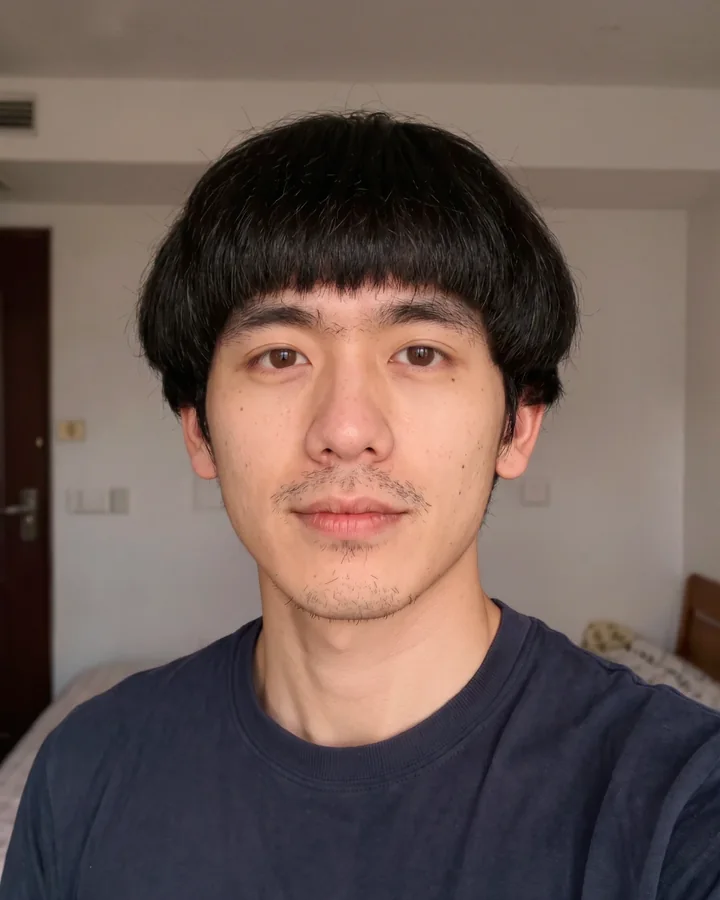
After 
For a compact midface
Short sides, a middle part, no fringe
Close sides and an open forehead add length.
-
Before 
After 
For a compact midface
A textured crop, clean-shaven
Height on top adds length; the upper lip stays clear.
Three kinds of midface
Tap one to see what suits it.
Your result
Longer midface
The drop from the eyes to the lip is longer than the gap between the pupils.
- What helps
- A lower glasses bridge, straighter brows and some hair volume at cheek level. Men: a mustache that just covers the top of the lip.
- Glasses
- Frames with a lower bridge, like a Wayfarer or a round acetate frame.
How the free scan works
-

1 Take a selfie
Prop your phone at eye level, about 1.5 m away. Too close, and CEVO asks for another photo.
-
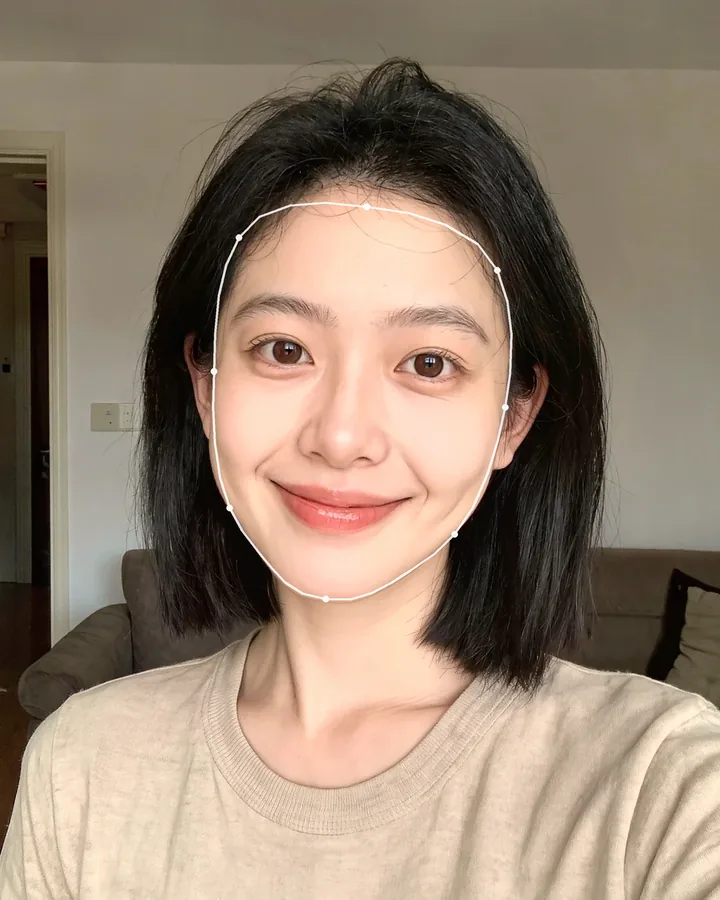
2 See your face shape and what suits you
Free: your face shape, your strengths and your first tips, in plain words.
-
3 Decide if you want more
See how many more tips are waiting for you. Unlock them only if you want them.
Start with one selfie
Your face shape and what suits you, free.
What CEVO gives you. From one selfie.
-
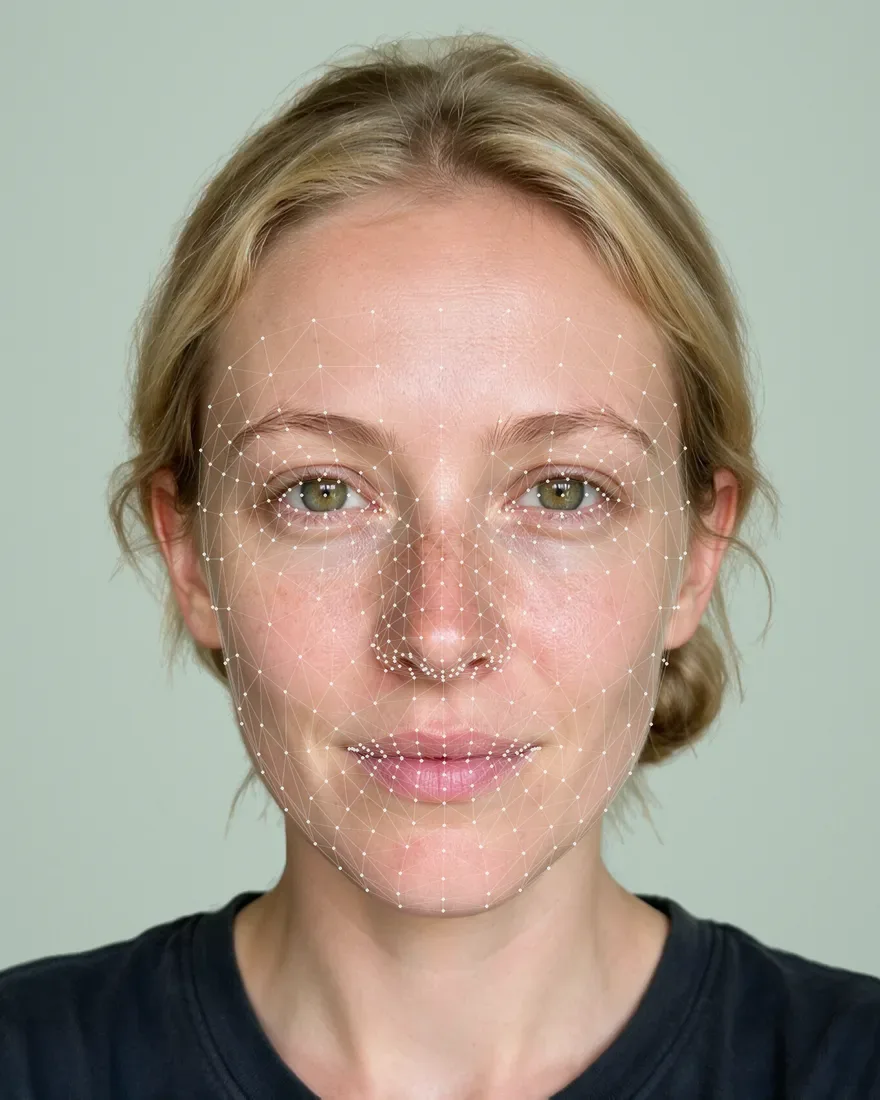
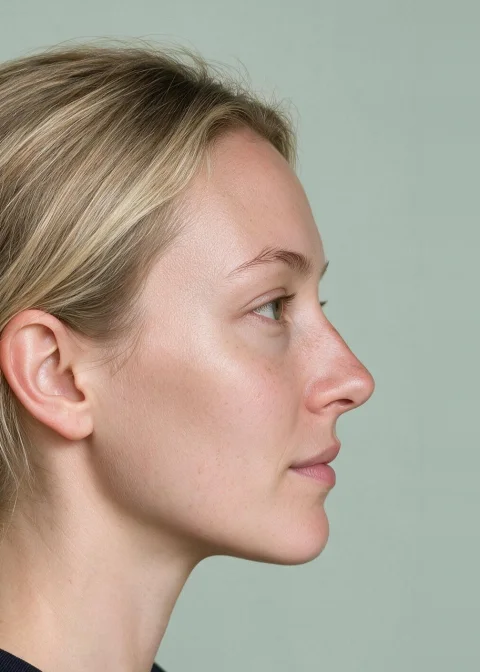
A 478-point face scan
Every point of your face mapped from one selfie, plus a side photo for your profile.
-
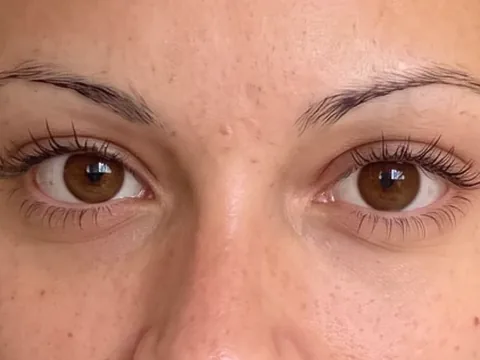
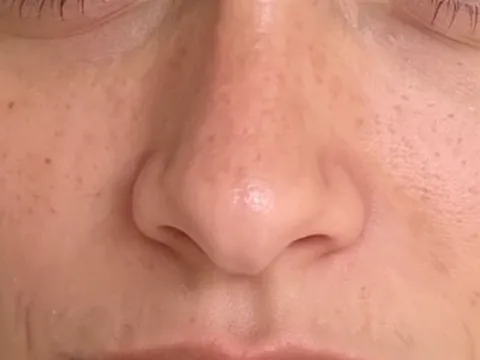
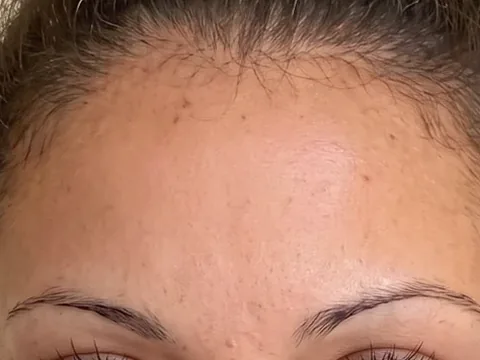
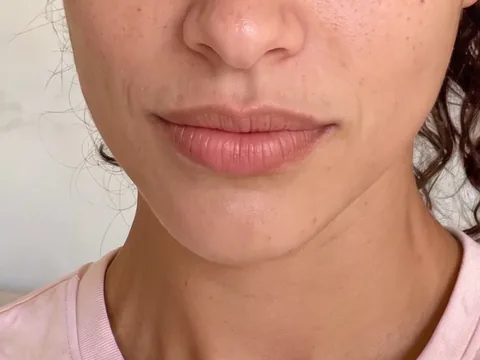
169 tests, region by region
Twelve regions of your face measured, from brows to jawline, plus the age your face reads as.
-
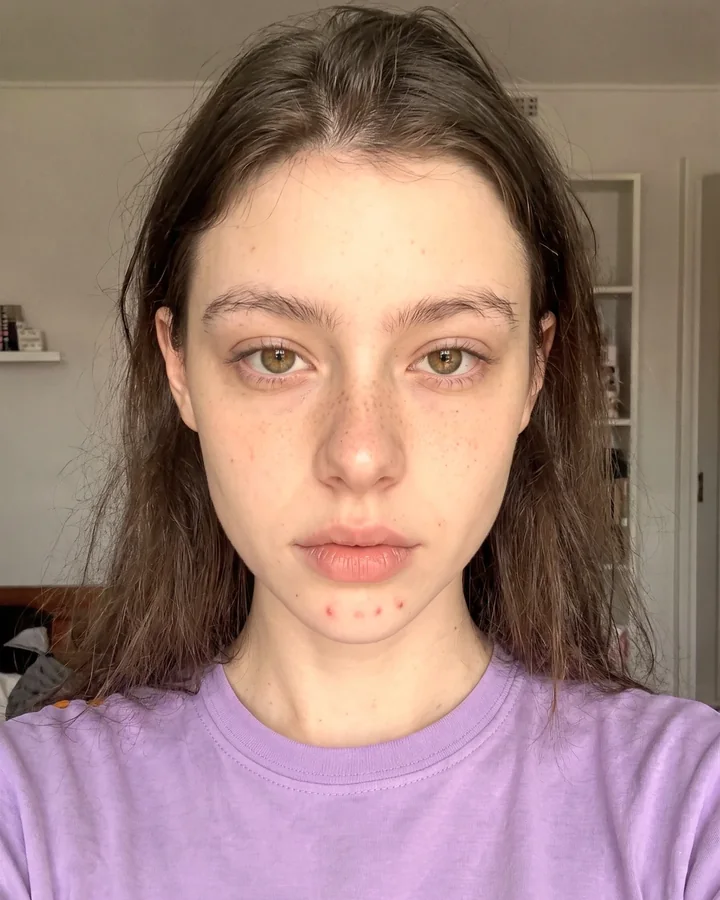
A natural glow-up on your own face
Hair, brows and skin changed on your photo. Your bone structure stays as it is.
-
Hairstyles on your own face
The cuts that suit your face shape, side by side.
-

Brows, beard and makeup
Brow shape, beard length and makeup picked for your features.
-
A 90-day routine
Hair, skin and grooming steps to follow for 90 days, made for your face.
-
$29
Basic Readout
- Up to 10 front-view tests
- Your facial balance breakdown, feature by feature
-
$59 Recommended
Complete Clinical Dossier
- Front and side: all 169 tests
- Glow-up and up to 3 hairstyles on your own face
- 90-day routine and your facial age
-
$119
Master Suite, the surgery pack
- Surgical simulation with a millimetre change map
- Surgeon-ready PDF and up to 10 hairstyles
- 4 re-scans over a year
One payment, no subscription. Every report is checked by our team and ready within 24 hours.
Questions
How do I work out my midface ratio?
Divide the gap between your pupils by the drop from your pupils to the top of your upper lip. Equal gives about 1.0.
What's a normal midface ratio?
There's no single normal one. About 1.0 is close to square, 0.9 or lower a longer midface, 1.1 or higher a compact one.
How is it different from FWHR?
The midface ratio uses your eyes and lip. FWHR uses cheekbone width next to the brow-to-lip height.
Can I make a longer midface look shorter?
If you'd like to: a mustache that just covers the top of the lip, a lower glasses bridge, straighter brows and hair volume at cheek level.
Why does my midface look longer in selfies?
A phone at arm's length stretches the drop from your eyes to your lip. Shoot from about 1.5 m (5 ft), at eye level.
How the midface ratio calculator measures your face
How the midface ratio calculator measures your face The two distances behind your number, how the three groups are set, and the studies behind them.
We measure two distances: from pupil to pupil, and straight down from the pupils to the top of the upper lip. Below: how it differs from FWHR, how the three groups are set with the four example faces measured, why selfies lower the number, and our sources.
Midface ratio vs. FWHR: what is the difference?
People often confuse Midface Ratio with FWHR (Facial Width-to-Height Ratio), but they measure two different parts of your face. While FWHR measures your outer cheekbone box (#234–#454 width divided by brow-to-lip height), the Midface Ratio compares two inner distances: how far apart your eyes sit (#468–#473) compared to how far down your upper lip sits (#0). Pallett et al. (2010) measured both distances against the size of the face: the eyes-to-mouth distance at about 36% of face length and the gap between the eyes at about 46% of face width. This page compares the two distances with each other instead:
- Interpupillary eye distance (IPD,
#468 to #473)The horizontal distance between the exact centers of your left and right pupils when looking straight ahead. The adult average is around63 mm(Dodgson 2004). - Vertical pupil-to-upper-lip height (
#468/#473 to #0)The vertical drop from the line connecting your pupils down to the top border of your upper lip (#0, labrale superius). Measuring to where the lips meet instead gives a slightly longer distance and a slightly lower ratio. - Why both nose length and philtrum length matterThe drop from your eyes to your lip covers the lower part of your nose plus the philtrum (the groove between the base of your nose,
#2, and your upper lip,#0), so a longer nose or a longer philtrum both lower the ratio.
1:1 square: when the pupil gap equals the drop to the lip, the ratio is 1.0.
How the three groups are set, with the example faces measured
This calculator doesn't rank you against other people. It compares your two distances with each other, with equal (a ratio of 1.0) as the reference point. The ratio is shown to one decimal, because dots placed by finger on one phone photo can't be more exact than that. About 1.0 (within roughly 5% either way) is close to square, 0.9 or lower is a longer midface, and 1.1 or higher is a compact one.
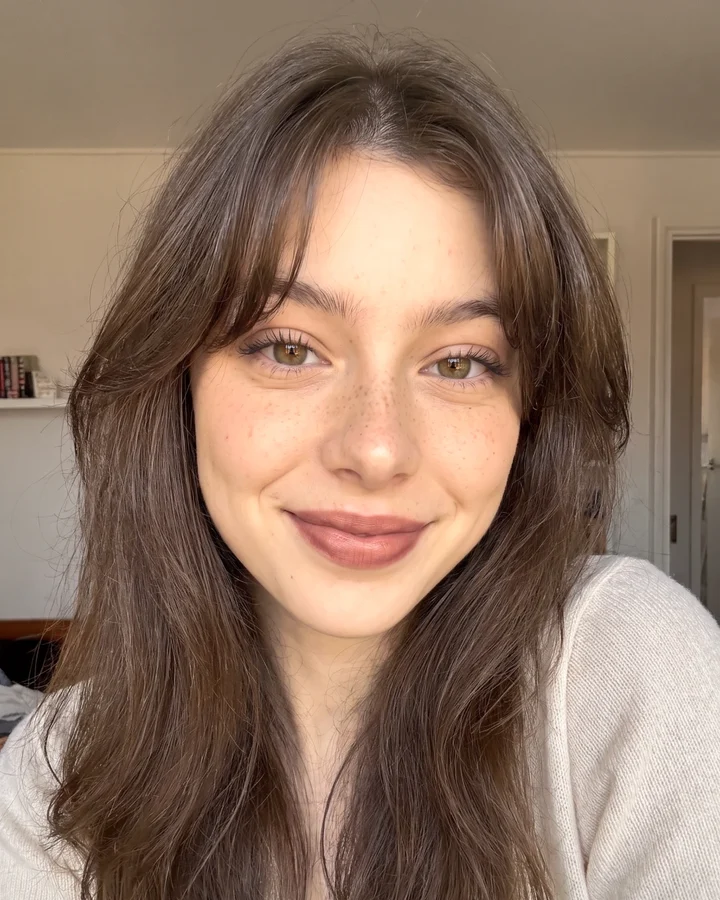
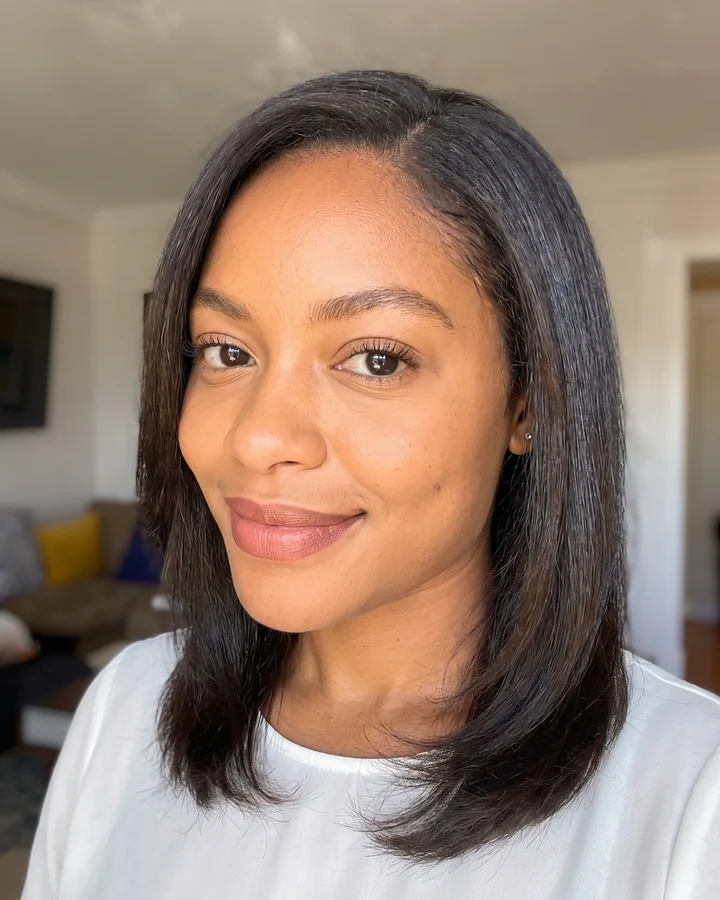
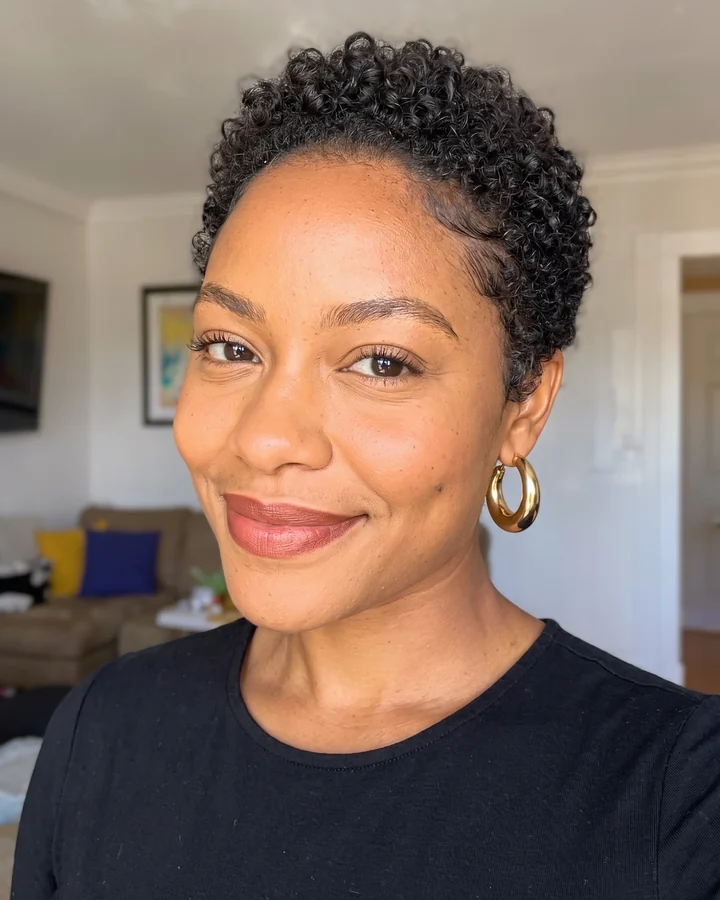
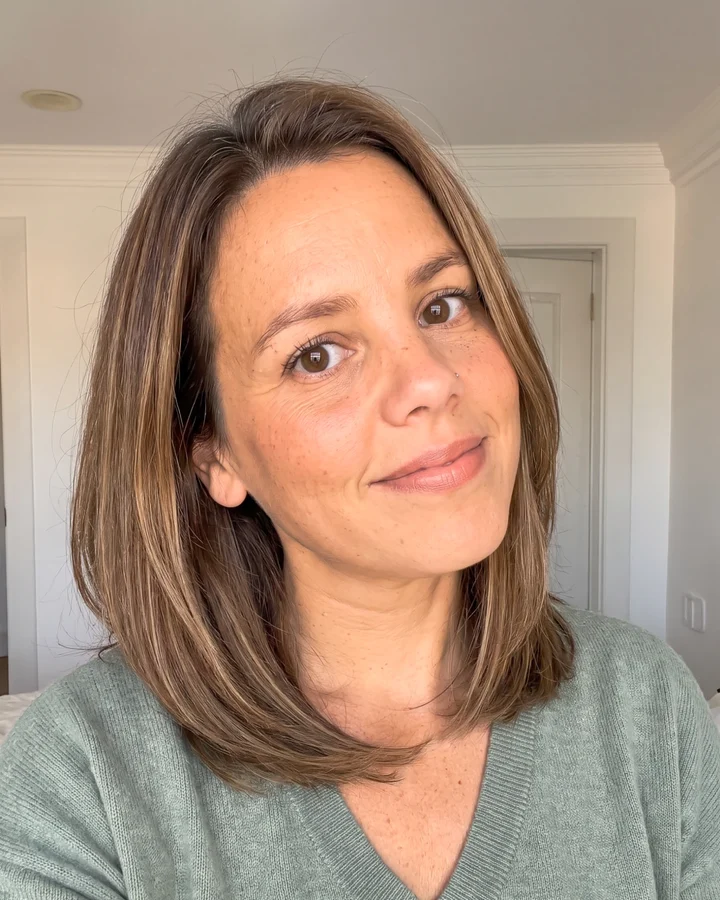
Face proportions also differ between ethnic groups (Farkas et al. 2005), one more reason a single average can mislead. The groups only decide which glasses, hair and beard ideas the page suggests; they are not medical categories, and none of them is better than another. Men and women share the same groups. Here are the four example faces, measured with the dots this page starts on:
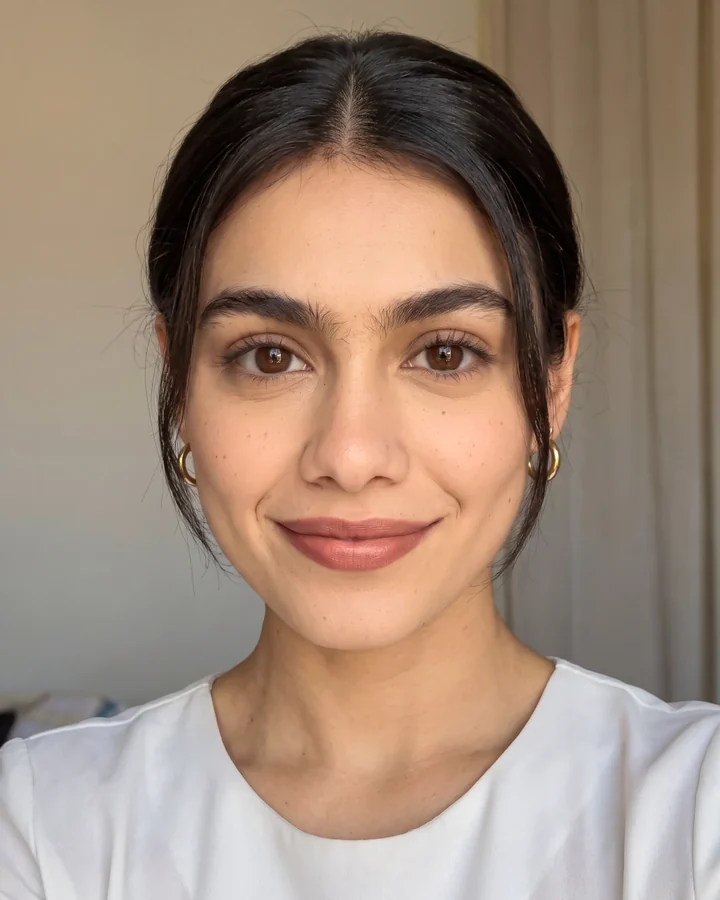
| Example face | Midface ratio | Pupil gap next to the eye-to-lip height | Group |
|---|---|---|---|
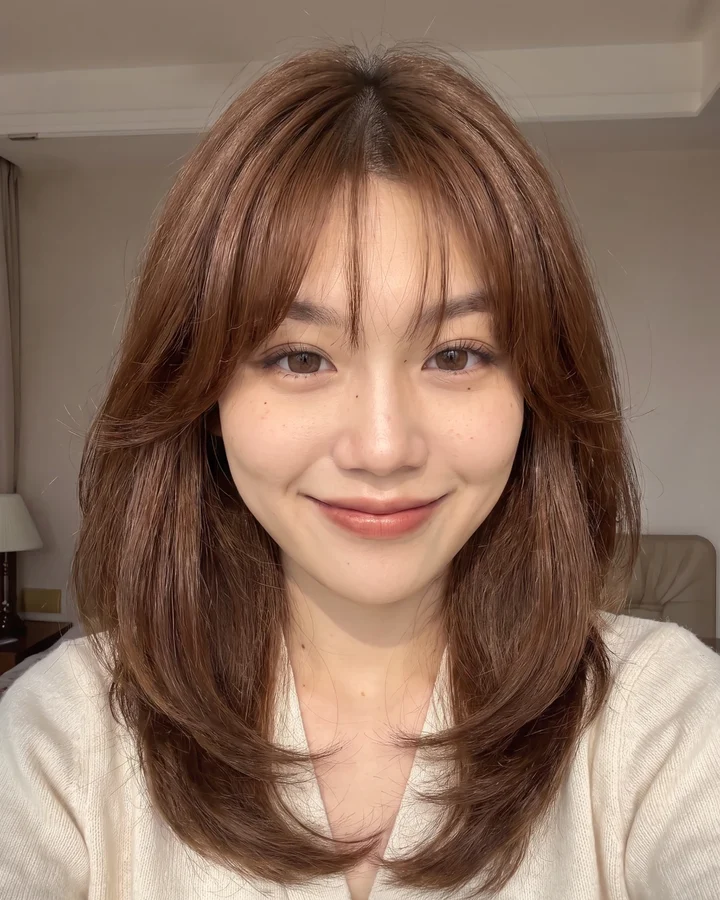
| Example face 1 (woman) | About 0.9 | A bit smaller (7% smaller) | Longer midface |
| Example face 2 (man) | About 1.0 | About the same (5% smaller) | Close to square |
| Example face 3 (woman) | About 1.0 | About the same (5% bigger) | Close to square |
| Example face 4 (man) | About 1.0 | About the same (5% smaller) | Close to square |
Why close-up phone selfies make your midface look longer
On an arm's-length front-camera selfie, your midface ratio usually reads lower (longer) than your real face. The bridge of your nose and your upper lip sit forward, closer to the phone's wide lens than your eyes, so the camera stretches the height from your eyes to your lip. A balanced face can read as a long midface on a selfie.
Test with a photo taken from about 1.5 m (5 ft) away at eye level, or run CEVO's free scan. CEVO's scan reads your iris size to tell how close the camera was, and asks for a retake if the photo was taken too close. Our selfie distortion study explains the optics.
Sources
-
Pallett PM, Link S, Lee K (2010). New "golden" ratios for facial beauty. Vision Research, 50(2), 149–154.
-
Dodgson NA (2004). Variation and extrema of human interpupillary distance. Proceedings of SPIE: Stereoscopic Displays and Virtual Reality Systems XI, 5291, 36–46.
-
Farkas LG, Katic MJ, Forrest CR (2005). International anthropometric study of facial morphology in various ethnic groups/races. Journal of Craniofacial Surgery, 16(4), 615–646.
See what suits your face. Free, from one selfie.
A few minutes: your face shape, your strengths and your first tips.
Start free scan