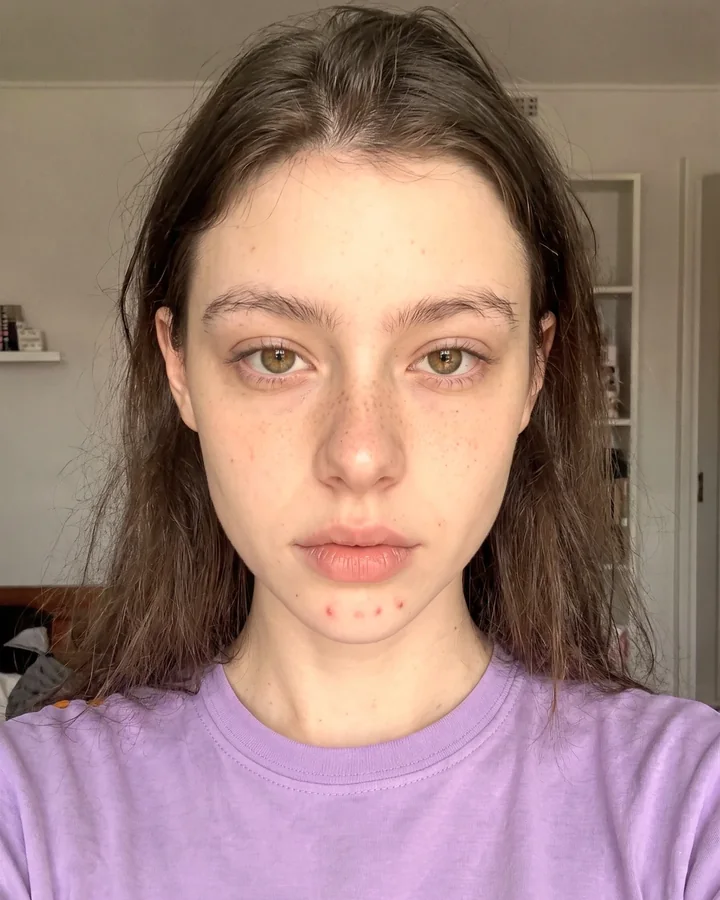
Why your jaw looks narrower in selfies
Your jaw corners sit further back from the camera than your cheekbones and nose, so a close selfie makes the jaw look narrower and can turn a square or oval face into a heart or oblong reading.
Pick an example face, or add your photo and the detector finds your face for you. See your shape and the haircuts, beard and glasses that suit it.
Free, and your photo never leaves this device.
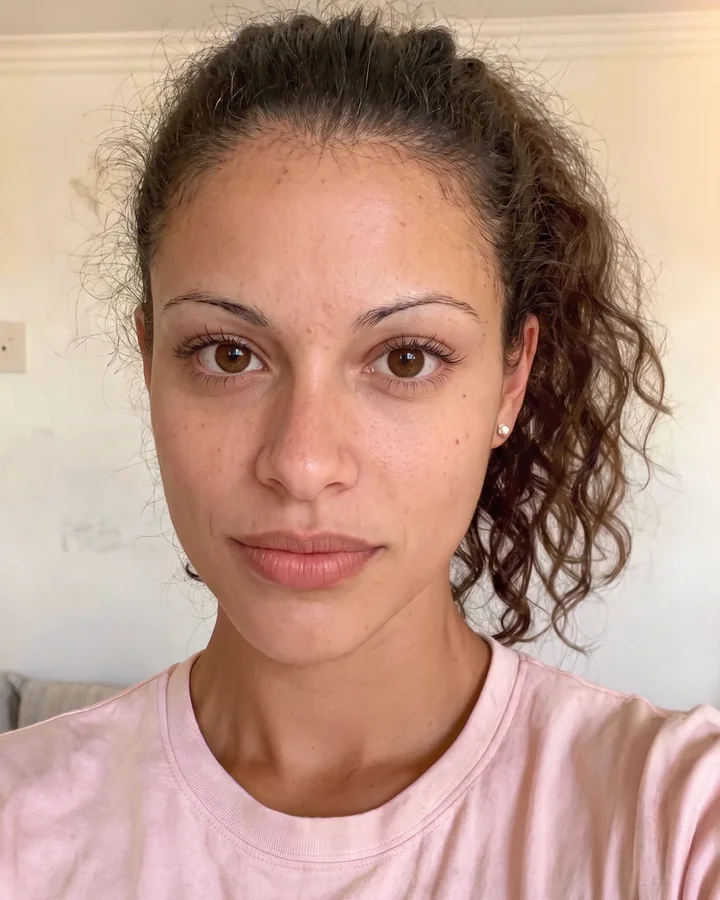
Drag any dot to fine-tune it.
This face shape
Oval
The forehead and cheekbones are about the same width, and the jaw narrows gently below them.
What suits this shape
Get your own shape read from one selfie.
Free: your face shape, your strengths and your first tips, plus how many more tips are waiting.
Start free scanDrag a dot, or select it and use the arrow keys.
See what suits your face, free
Start free scanYour bones stay the same. Hair and makeup change the outline people see.
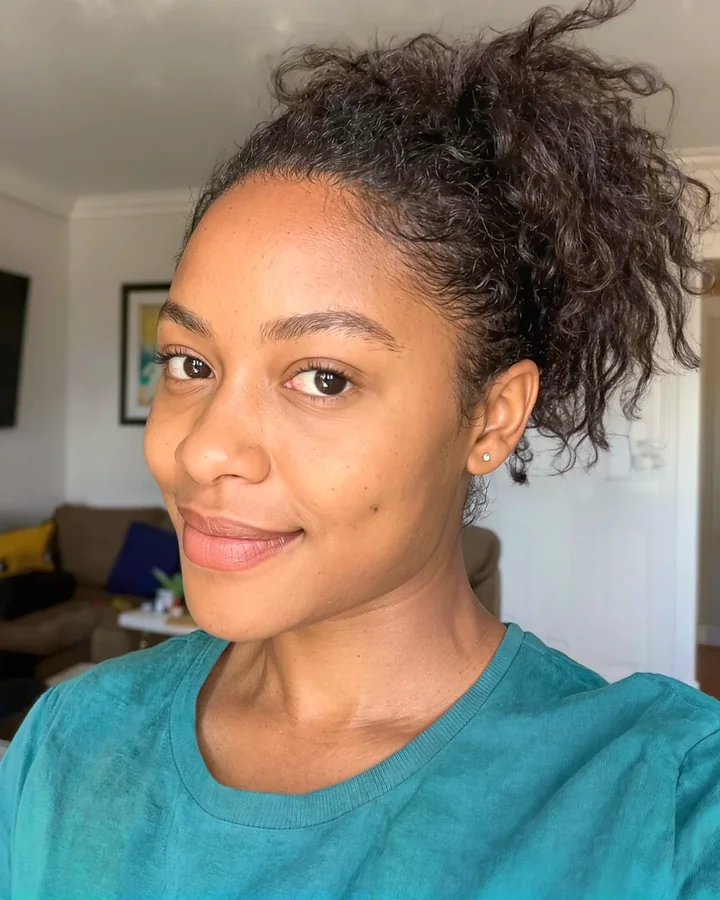
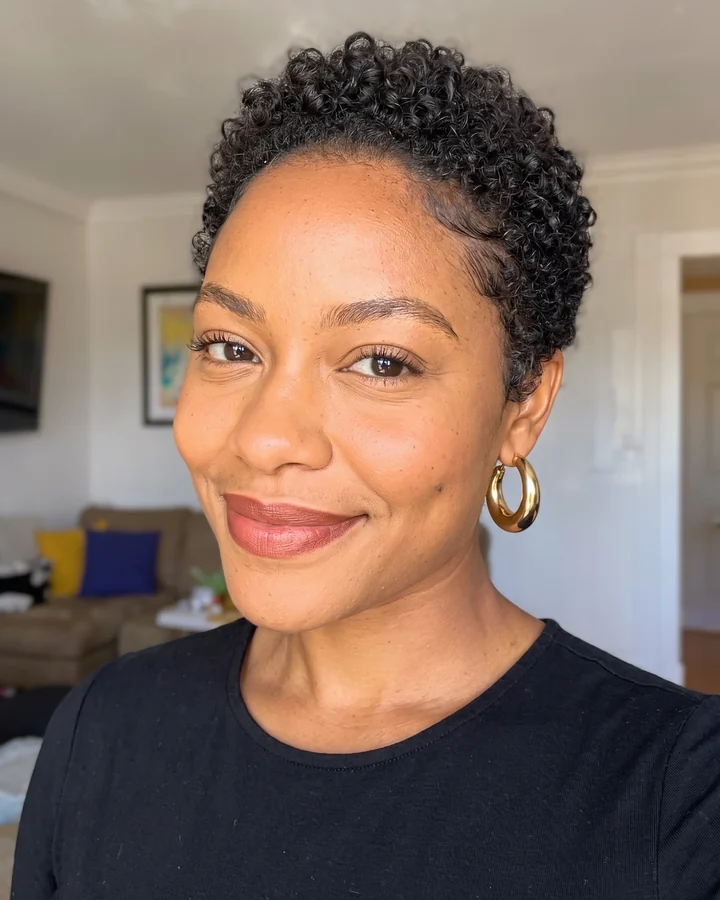
On an oval face, short works as well as long.
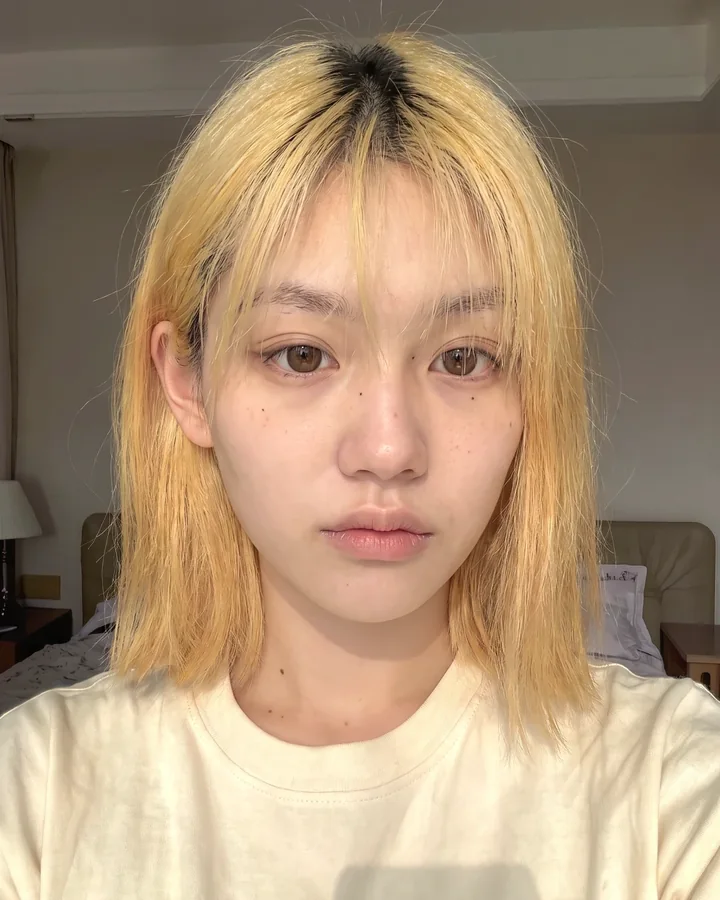
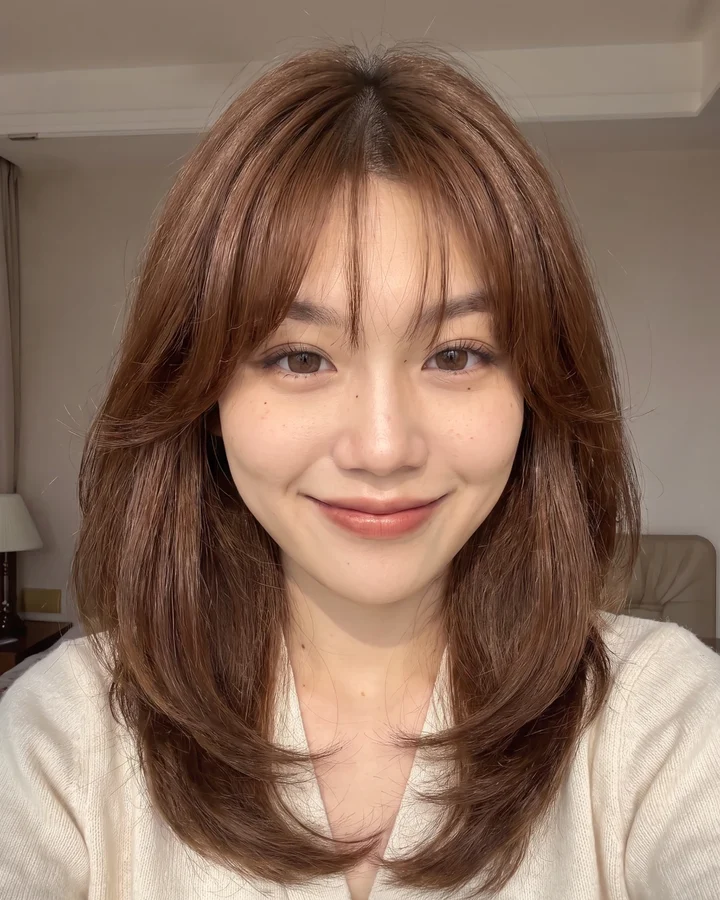
Layers from the cheekbones down soften the jaw corners.
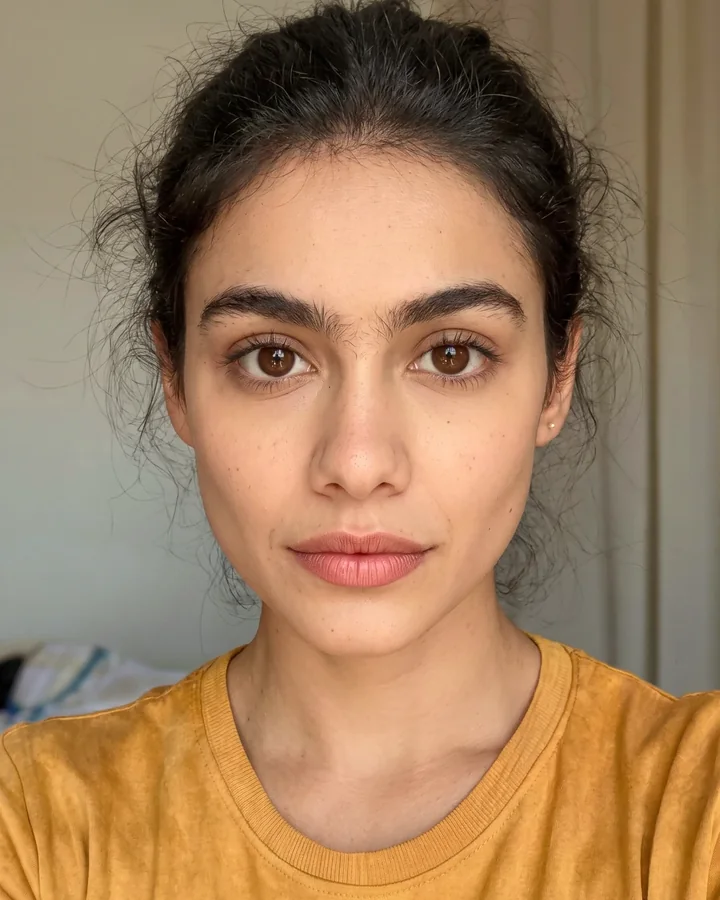
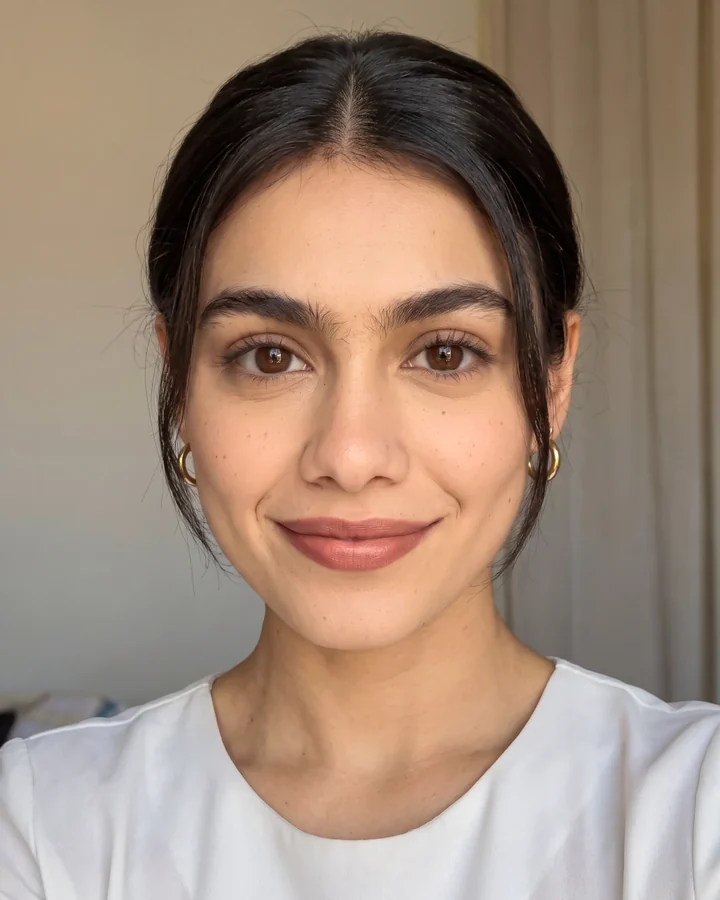
Smooth sides and loose pieces at the cheeks make a round face look longer.
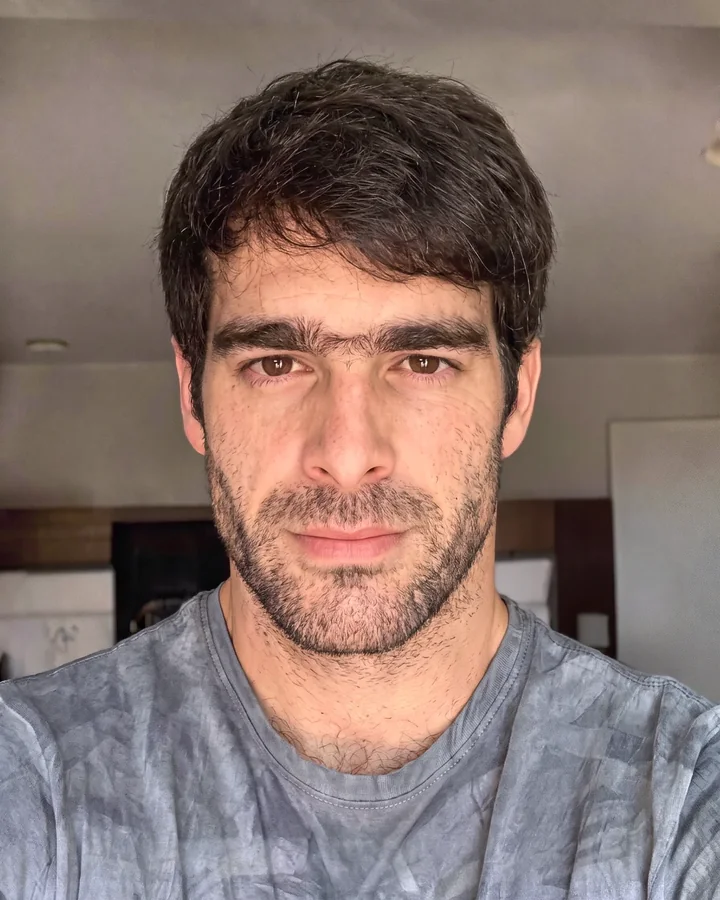
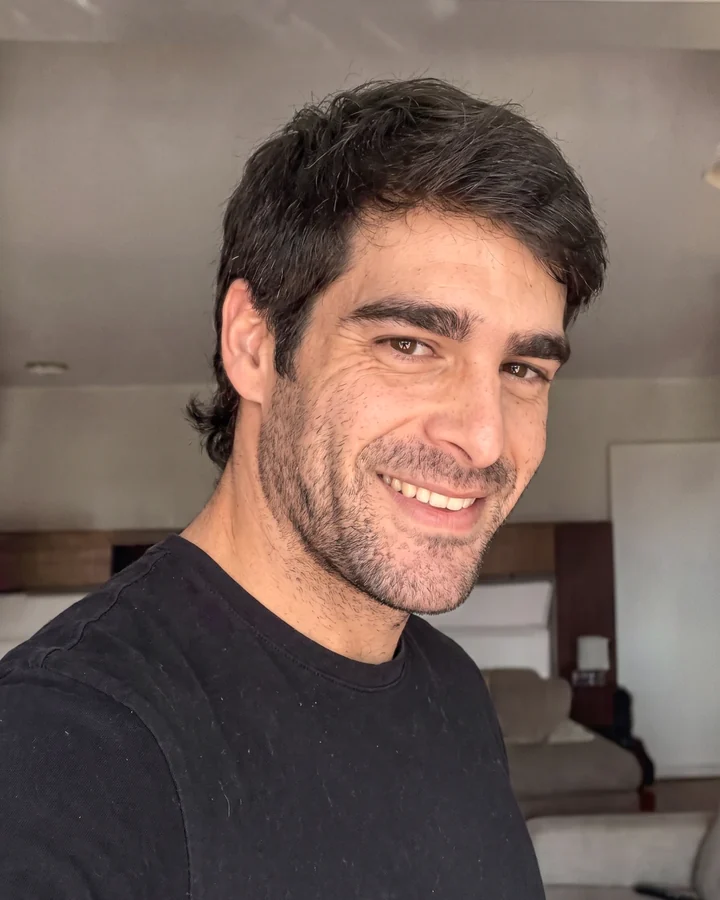
Most cuts suit an oval face, so a bolder one is easy to try.
Your free scan names your shape and first tips. A report shows cuts like these on your own face.
Start free scanThis face's shape is marked. Tap a shape to see what suits it.
This face
The forehead and cheekbones are about the same width, and the jaw narrows gently below them.

Prop your phone at eye level, about 1.5 m away. Too close, and CEVO asks for another photo.
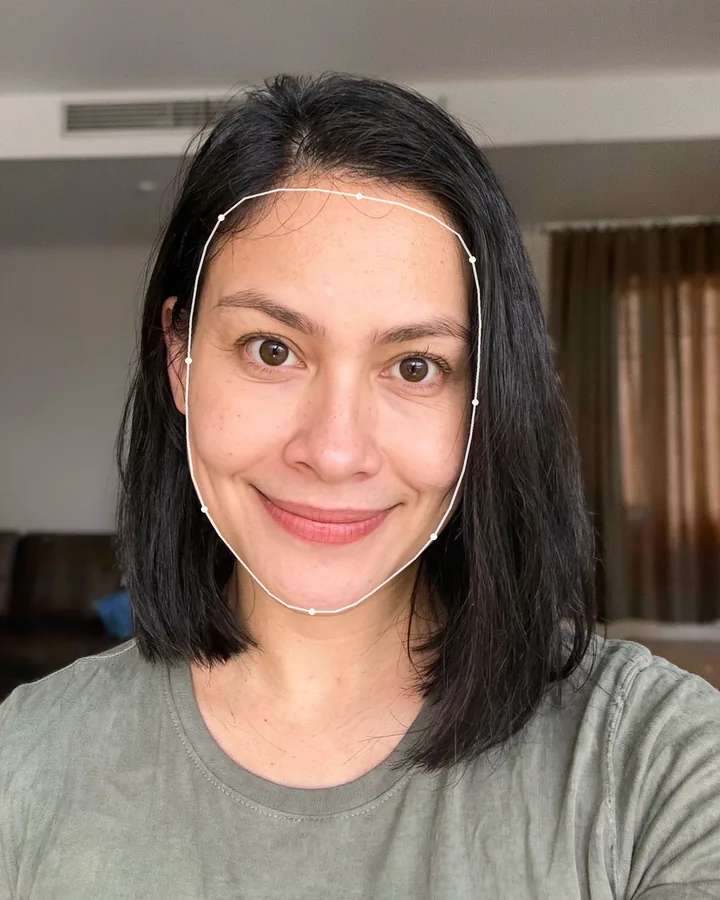
Free: your face shape, your strengths and your first tips, in plain words.
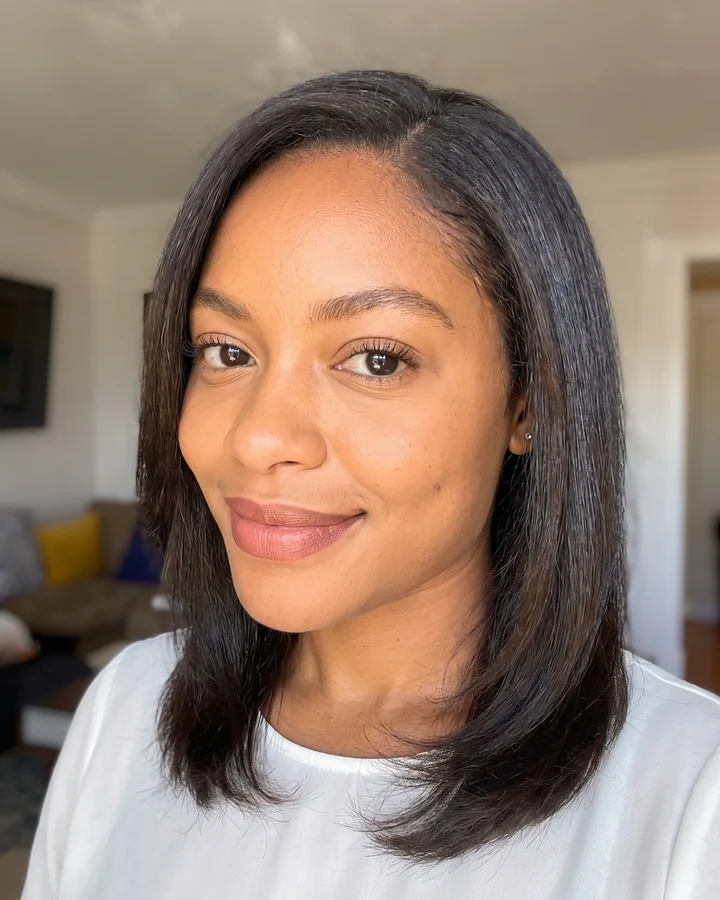
See how many more tips are waiting for you. Unlock them only if you want them.
Start with one selfie
Your face shape and what suits you, free.
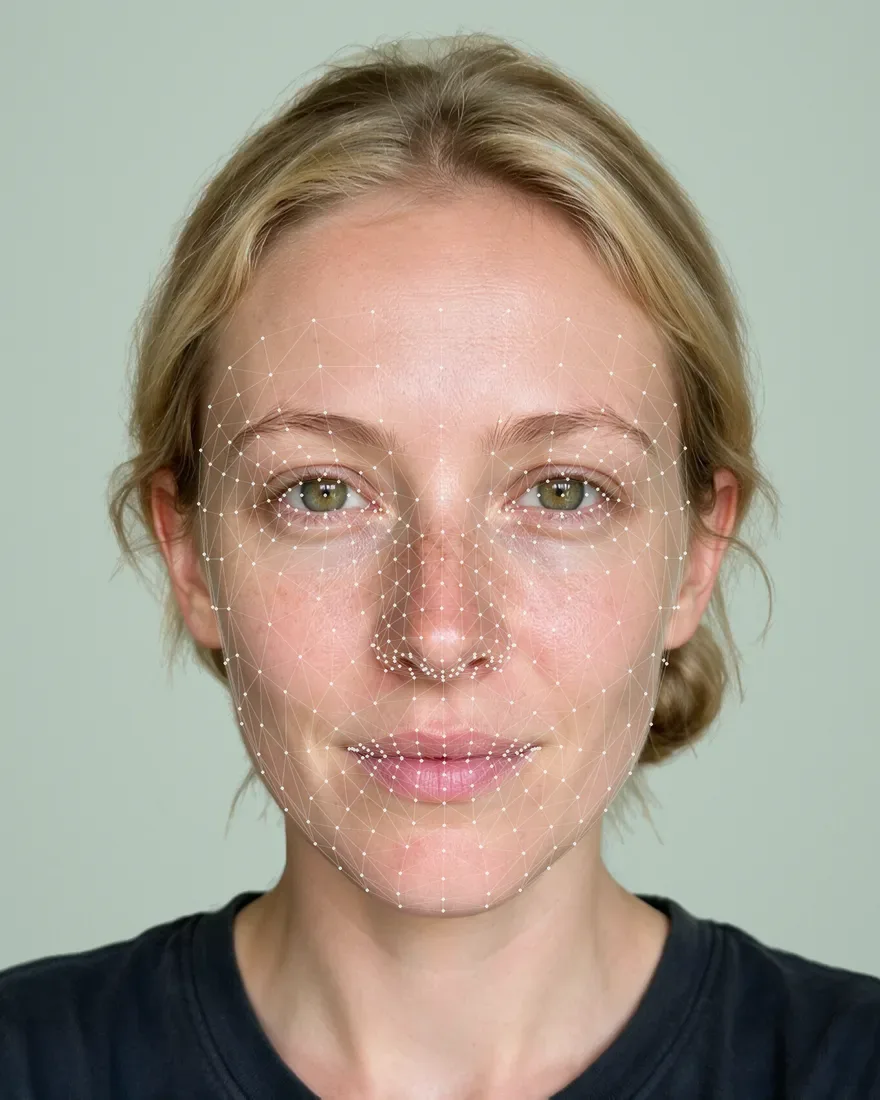
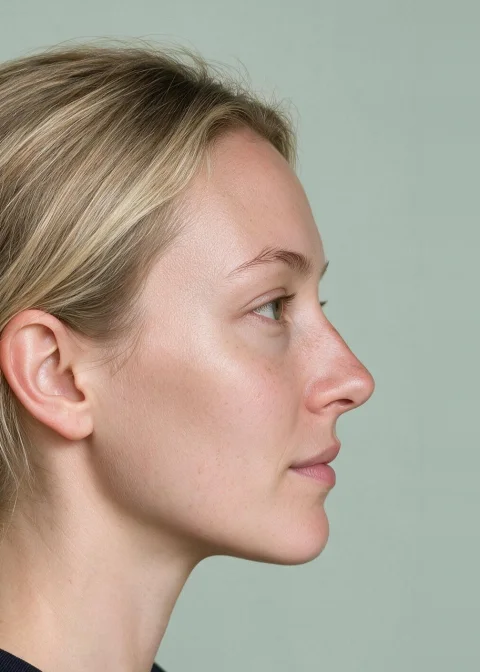
Every point of your face mapped from one selfie, plus a side photo for your profile.
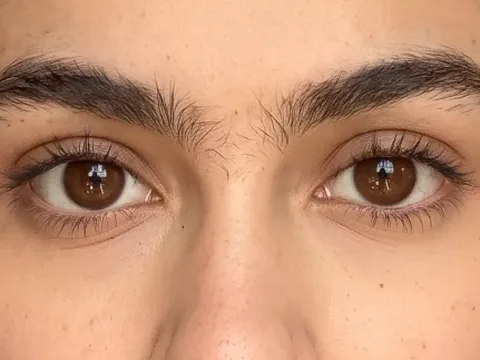
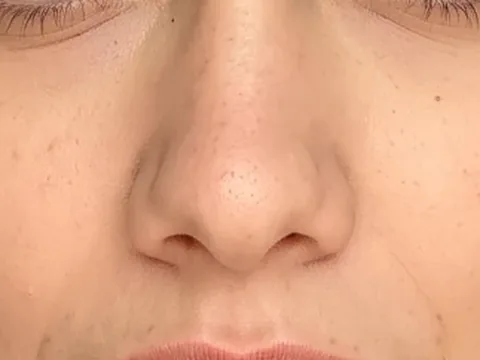
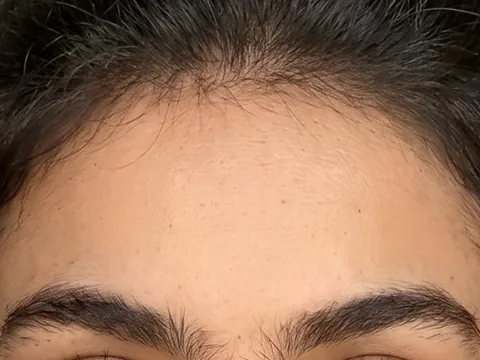
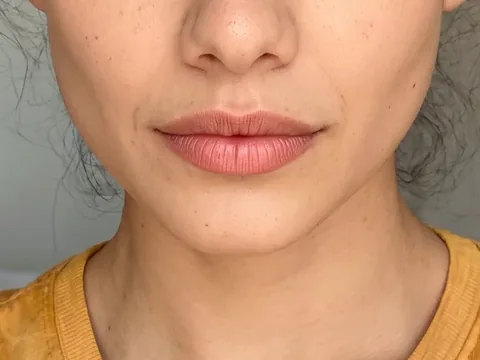
Twelve regions of your face measured, from brows to jawline, plus the age your face reads as.
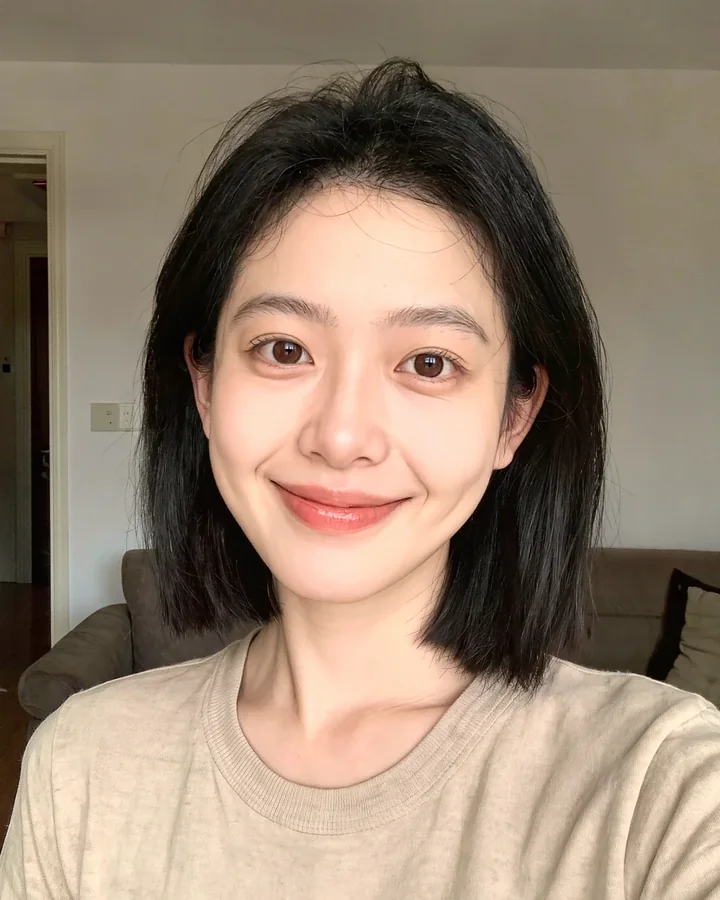

Hair, brows and skin changed on your photo. Your bone structure stays as it is.
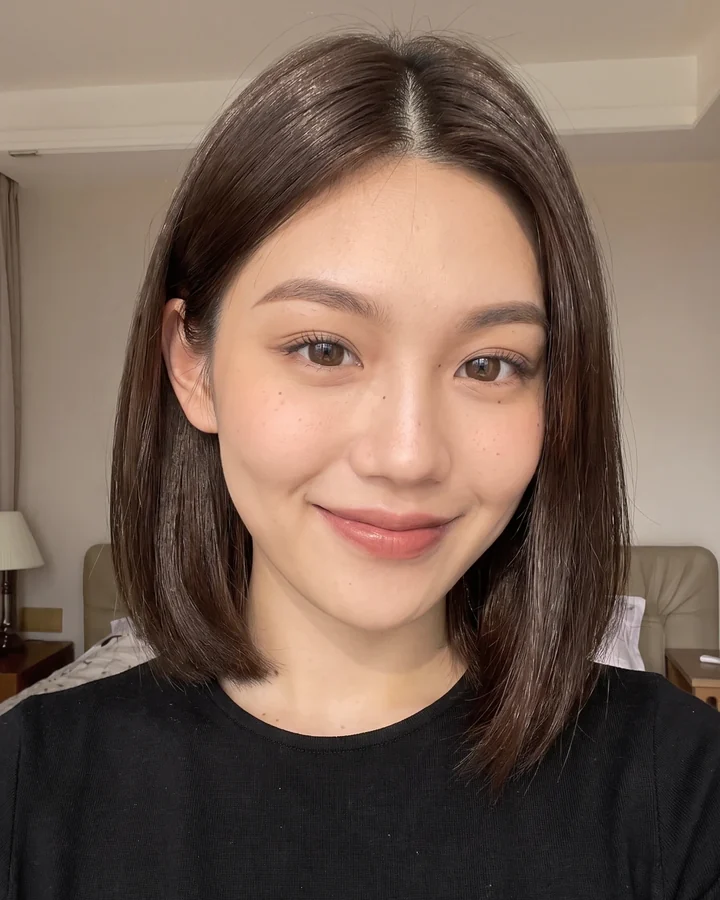
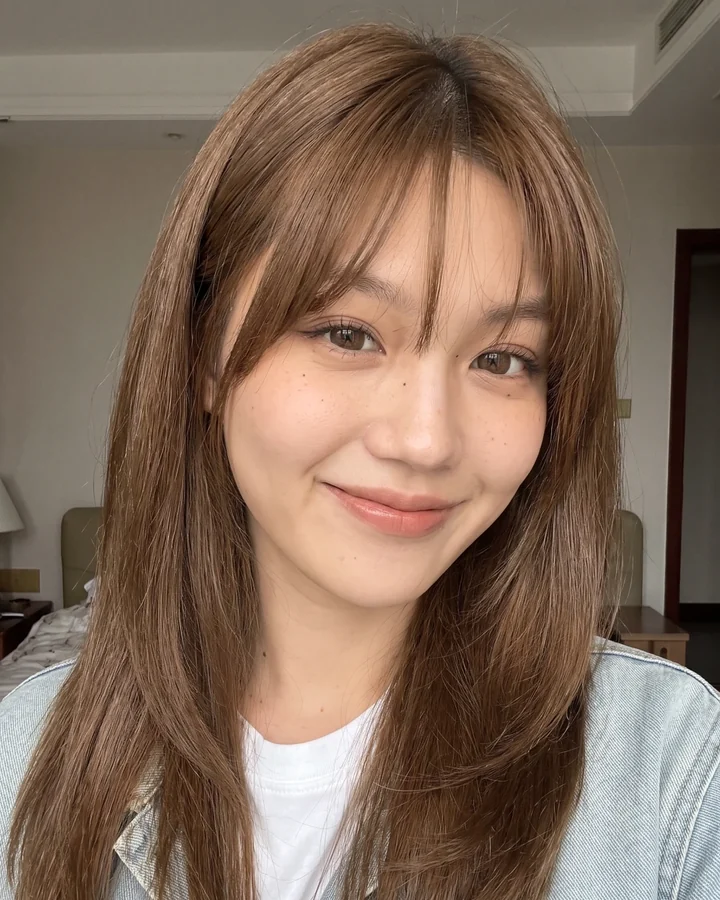
The cuts that suit your face shape, side by side.
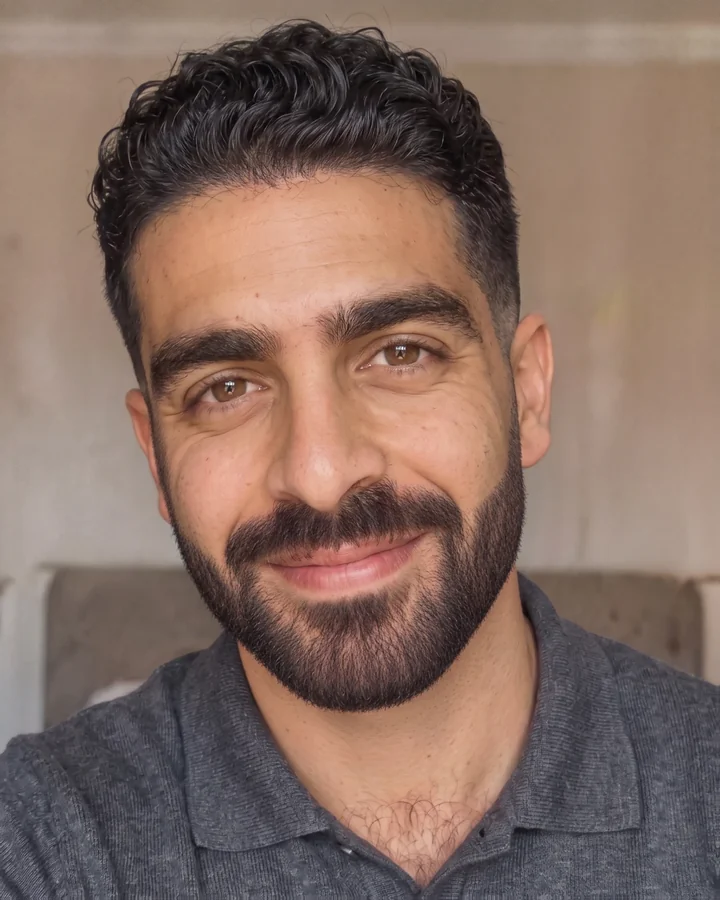

Brow shape, beard length and makeup picked for your features.

Hair, skin and grooming steps to follow for 90 days, made for your face.
$29
$59 Recommended
$119
One payment, no subscription. Every report is checked by our team and ready within 24 hours.
Prop your phone at eye level about 1.5 m (5 ft) away and use the timer, with your hair off your forehead. Then compare the widths of your forehead, cheekbones and jaw with your face length, or add your photo to the detector above and it measures them for you.
Both have a jaw clearly narrower than the cheekbones. In a heart face the forehead is nearly as wide as the cheekbones; in a diamond face the forehead is clearly narrower too.
A phone at arm's length is much closer to your nose than to your jaw, so the middle looks bigger and the jaw narrower. Shoot from further away.
Your bones don't, but how your face reads does. Hair, a beard and glasses change the outline, and body fat softens or sharpens the jaw line.
No. The detector finds your face in your browser, and your photo is gone when you close the page.
We compare three widths (forehead, cheekbones, jaw) with one length (hairline to chin). Only the ratios matter, so no ruler is needed. On your own photo the dots are placed for you, in your browser: MediaPipe Face Landmarker finds the face and its edge points, the two forehead dots move out to where hair begins at the temples, and the hairline dot goes where MediaPipe's hair model first sees hair above the forehead (if it sees none, the dot starts a little above the forehead and you drag it). The photo is never uploaded; only the two models are downloaded. Below: the rule for each shape, why selfies shift the result, and our sources.
Two example faces with their dots joined: the three widths across, the length down the middle, and the shape the detector reads from them.
Oval

Square
Why do two stylists often give you two different answers about your face shape? Because everyday descriptions like "slightly wide" mean different things to different people. The detector uses three ratios: jaw width ÷ cheekbone width, forehead width ÷ cheekbone width, and face length ÷ cheekbone width. It checks the rules from the top, and the first one that fits is your shape. If the face also meets a later rule, or moving any ratio by 0.02 or less would land on another shape, the result names that one too ("Close to Heart too"). The forehead row under your result reads "wider than your cheekbones" above 102% of their width, "about as wide" at 92% or more, "a little narrower" from 84.5%, and "clearly narrower" under 84.5%. The jaw row reads the same way, with the square and heart cut-offs as its edges: "wider than your cheekbones" above 102%, "about as wide" at 92% or more, "almost as wide" from 82.5% (men) or 79.5% (women), "clearly narrower" at 74.5% (men) or 71.5% (women) or less, and "a little narrower" in between, so choosing Man or Woman can change it.
| Face shape | What it looks like | The rule we use |
|---|---|---|
| Oblong | Long for its width. | Length more than 1.55 times the cheekbone width. |
| Round | Short for its width. | Length 1.45 times the cheekbone width or less, and the jaw under 84.5% of the cheekbone width (men) or 81.5% (women). |
| Square | Jaw almost as wide as the cheekbones, or wider. | Jaw at least 82.5% of the cheekbone width (men) or 79.5% (women). |
| Heart | Forehead nearly as wide as the cheekbones, and the jaw clearly narrower. | Jaw 74.5% of the cheekbone width or less (men) or 71.5% or less (women), and the forehead at least 84.5% of it. Also any face whose forehead is wider than the cheekbones (over 102% of them) with a jaw under the square cut-off. |
| Diamond | Cheekbones the widest part, with a clearly narrower forehead and jaw. | Jaw as narrow as for heart, and the forehead under 84.5% of the cheekbone width. |
| Oval | Cheekbones the widest part, with the jaw a little narrower. | Any face that matches none of the rules above. |
When you hold a smartphone 30 cm (12 inches) away from your face, the wide-angle 24 mm front camera distorts your proportions before any algorithm even looks at your photo:
Your jaw corners sit further back from the camera than your cheekbones and nose, so a close selfie makes the jaw look narrower and can turn a square or oval face into a heart or oblong reading.
At 30 cm a phone makes the nose look about 4% wider and the jaw about 3% narrower than from 1.5 m (CEVO's selfie study). Compared with cheekbone width, the nose's share grows by about 30% (Ward et al. 2018). Up close the outer cheeks also turn out of view, so the face reads a little longer and narrower.
Holding the phone above eye level makes the forehead look bigger and the chin smaller, like a heart shape. Holding it below the chin widens the jaw, like a square or round shape.
Prop your phone 150 cm (5 feet) away at eye level and zoom in to 2x or 3x (50–85 mm telephoto).
CEVO's scan reads your iris size to tell how close the camera was, and asks for a retake if the photo was taken too close.
Farkas LG, Katic MJ, Forrest CR, et al. (2005). International anthropometric study of facial morphology in various ethnic groups/races. Journal of Craniofacial Surgery, 16(4), 615–646.
Ward B, Ward M, Fried O, Paskhover B (2018). Nasal Distortion in Short-Distance Photographs: The Selfie Effect. JAMA Facial Plastic Surgery, 20(4), 333–335.
One selfie, a few minutes. A report unlocks the rest.
Start free scan