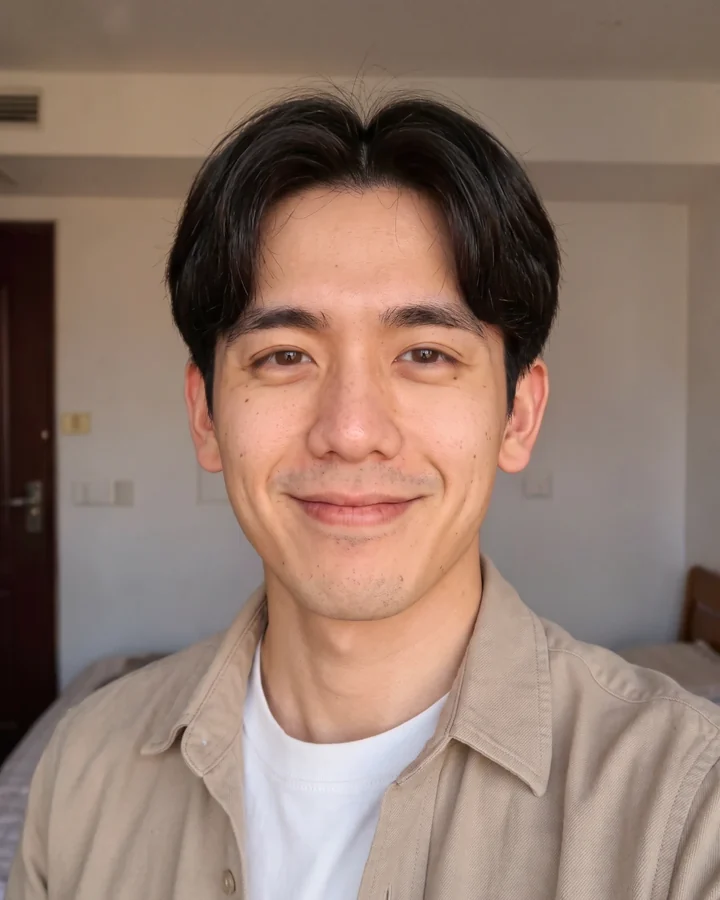
Face symmetry test. See how even your two sides are, and whether anyone would notice.
Pick an example face, or add your own photo and tap nine points when asked.
Free, and your photo never leaves this device.
Step 1 of 9Tap the middle of the pupil on the left of the photo.Use a photo where you look straight at the camera. A turned head makes the nearer side look wider.
The dashed centre line splits each line in two. When one side is wider, that half is drawn brighter. Drag any dot to fine-tune it.
Your face symmetry
No difference anyone would notice
Your two sides are close in width. Every face has some difference between its sides, and yours doesn't stand out.
- CheekbonesAbout even
- Jaw cornersAbout even
- Would others notice?No, not at talking distance
Only if it bothers you in photos
- Hair
- If you wear a centre part, move it a little off the middle or add a textured fringe. A dead-centre part works like a ruler between your sides.
- Jaw
- Leave a little more hair volume at the jaw on the narrower side, the right of the photo.
Symmetry is one part of your face. See what suits all of it.
One selfie shows your face shape, your strengths and your first tips on haircut, brows or glasses.
Start free scanDrag a pin, or select it and use the arrow keys. On your own photo, tap each point when asked, or focus the photo and press Enter to drop the next point, then move it with the arrow keys.
See what suits your face, free
Start free scanWhat your result means
- No face is a perfect mirrorEvery face has a small difference between its two sides. That's normal.
- Others rarely noticeYou see your face up close every day. Others don't.
- The photo mattersA turned head or a phone held to one side makes one side look wider. Look straight at the camera.
What you can change
Your bones stay the same. Where you part your hair and where it falls change how much people compare your two sides. A CEVO report tries changes like these on your own photo.
-
Before 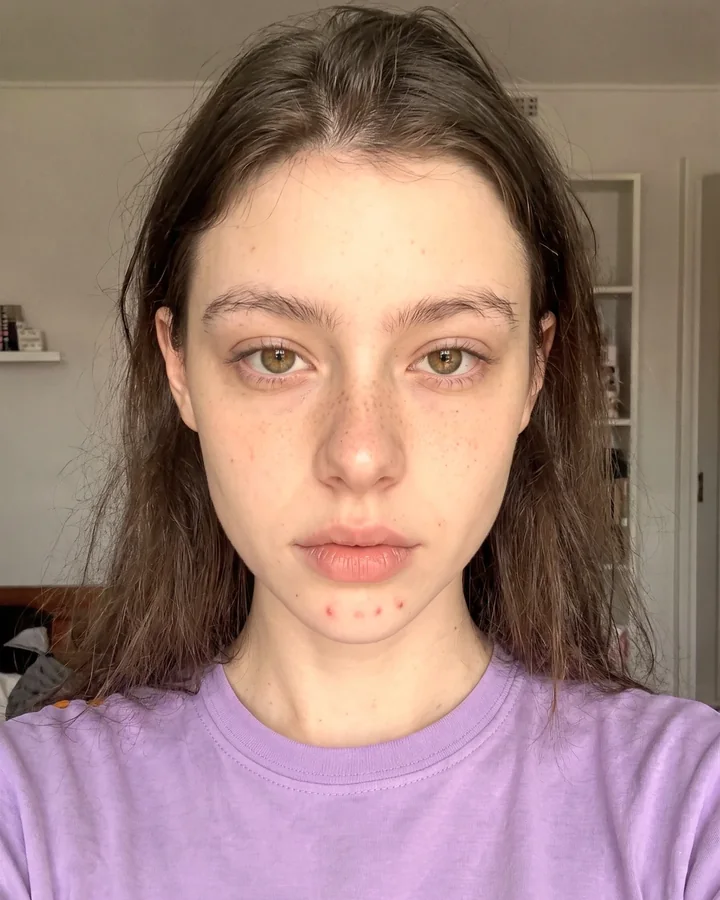
After 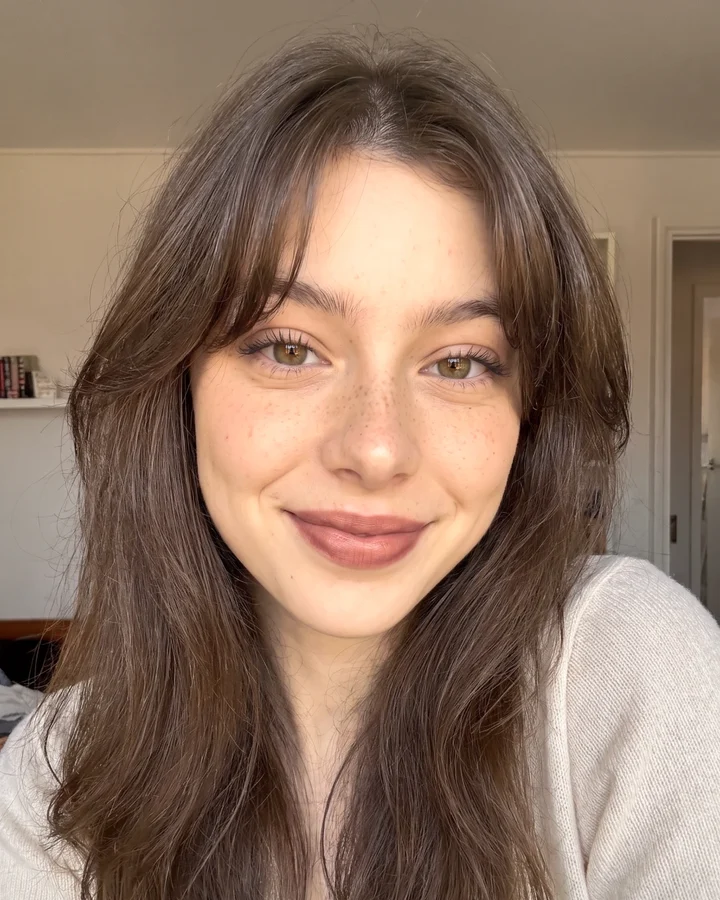
Curtain bangs over a middle part
The bangs cover the forehead, so the part no longer runs like a ruler down the middle of the face.
-
Before After 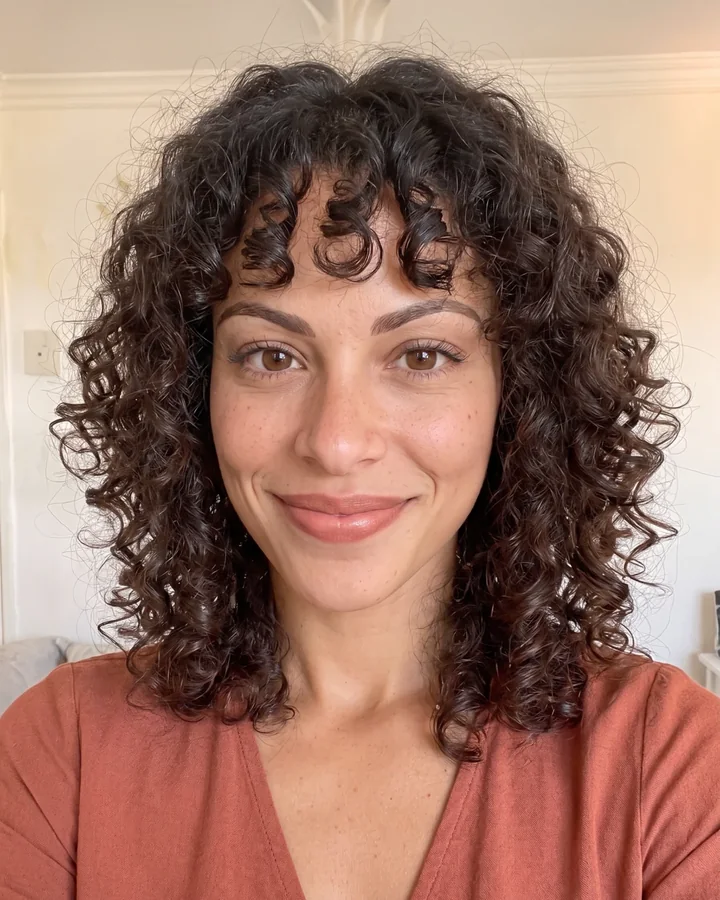
Curls and a fringe instead of hair pulled back
Curls and a fringe soften the forehead and face edges, so no straight line invites comparing the sides.
What CEVO gives you. From one selfie.
-
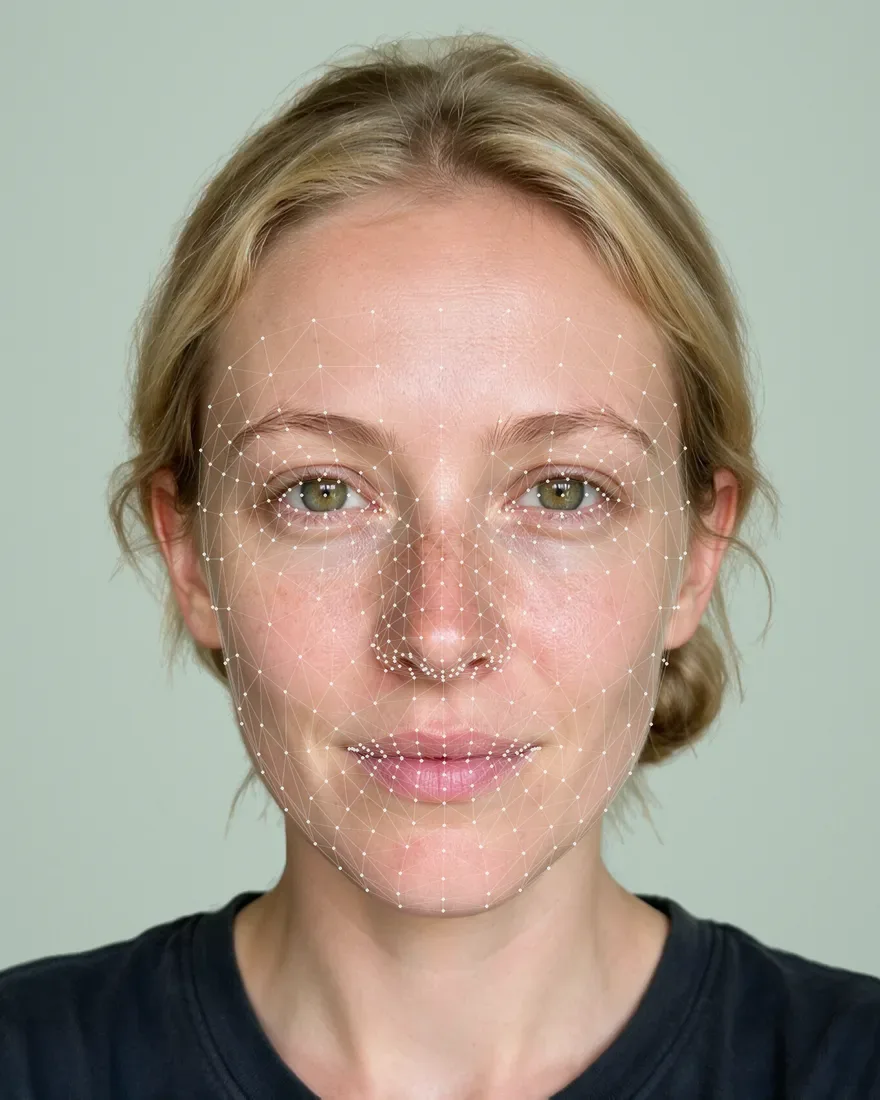
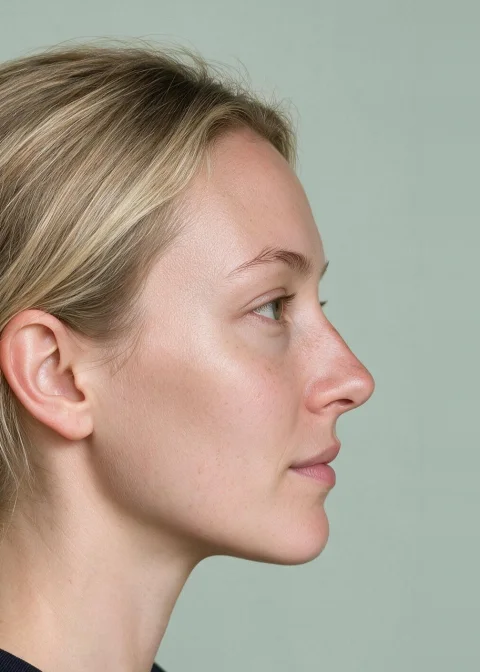
A 478-point face scan
Every point of your face mapped from one selfie, plus a side photo for your profile.
-
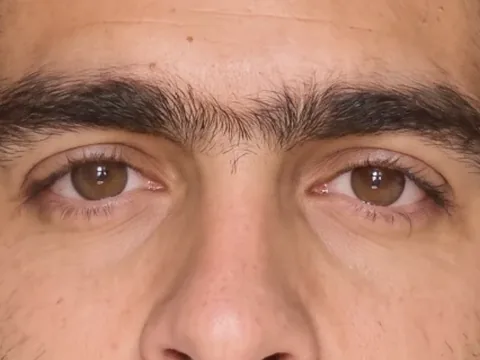
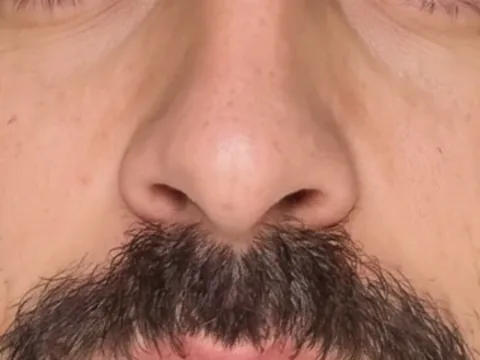
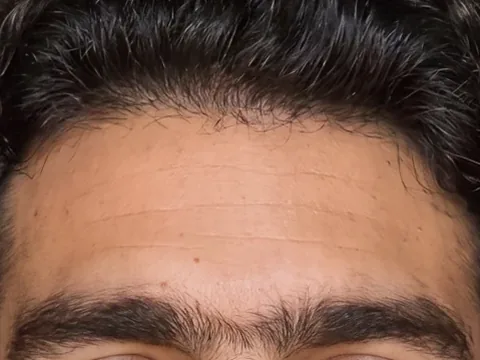
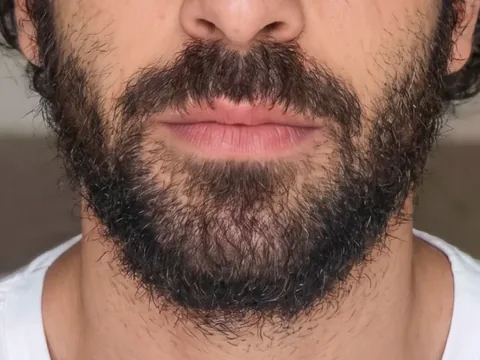
169 tests, region by region
Twelve regions of your face measured, from brows to jawline, plus the age your face reads as.
-
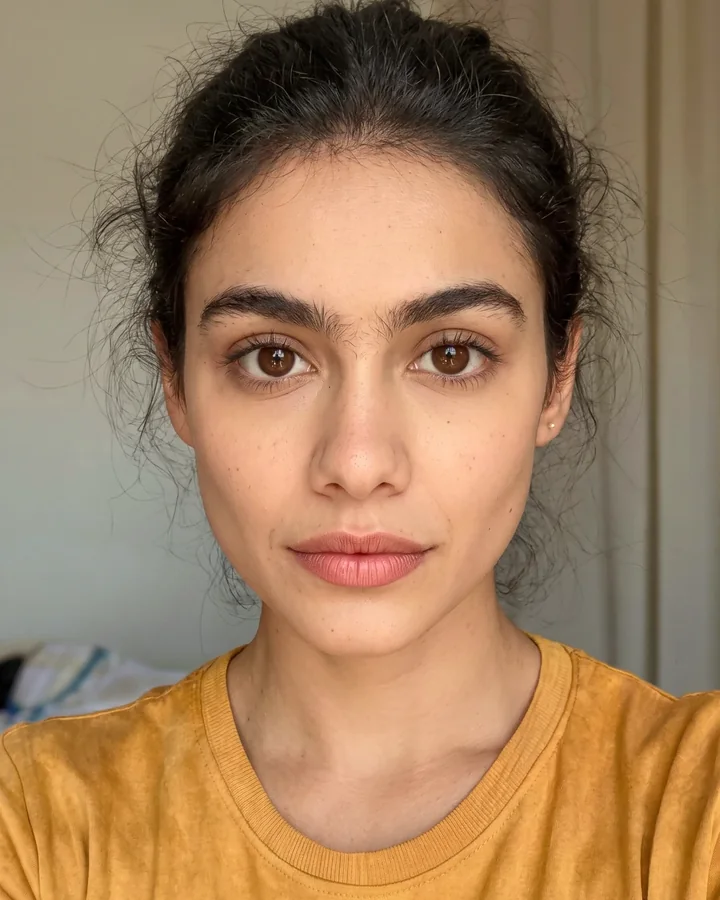
A natural glow-up on your own face
Hair, brows and skin changed on your photo. Your bone structure stays as it is.
-
Hairstyles on your own face
The cuts that suit your face shape, side by side.
-

Brows, beard and makeup
Brow shape, beard length and makeup picked for your features.
-
A 90-day routine
Hair, skin and grooming steps to follow for 90 days, made for your face.
-
$29
Basic Readout
- Up to 10 front-view tests
- Your facial balance breakdown, feature by feature
-
$59 Recommended
Complete Clinical Dossier
- Front and side: all 169 tests
- Glow-up and up to 3 hairstyles on your own face
- 90-day routine and your facial age
-
$119
Master Suite, the surgery pack
- Surgical simulation with a millimetre change map
- Surgeon-ready PDF and up to 10 hairstyles
- 4 re-scans over a year
One payment, no subscription. Every report is checked by our team and ready within 24 hours.
How the free scan works
-
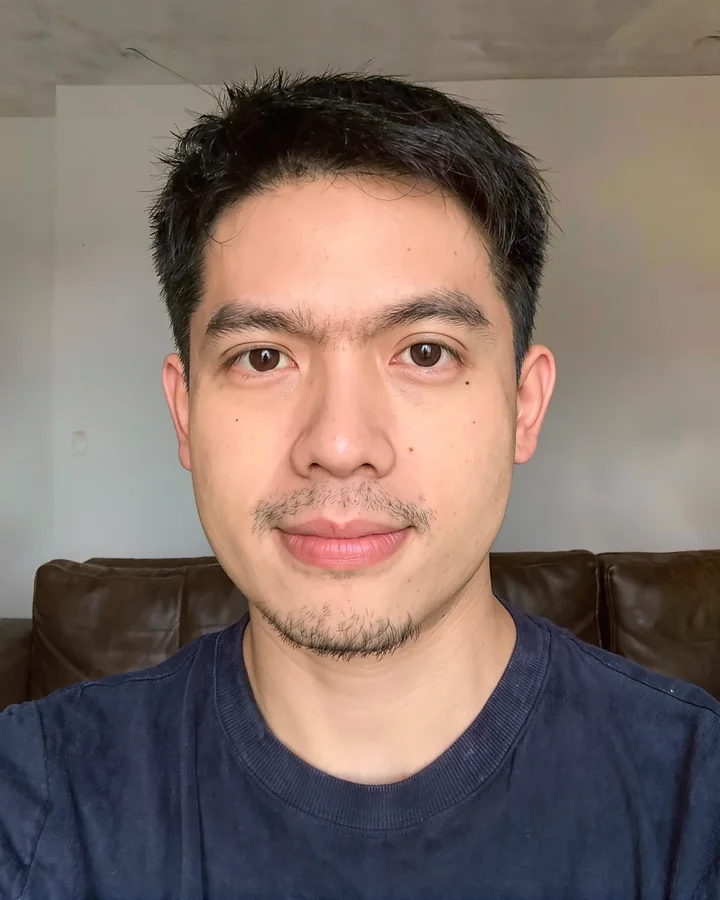
1 Take a selfie
Prop your phone at eye level, about 1.5 m away. Too close, and CEVO asks for another photo.
-
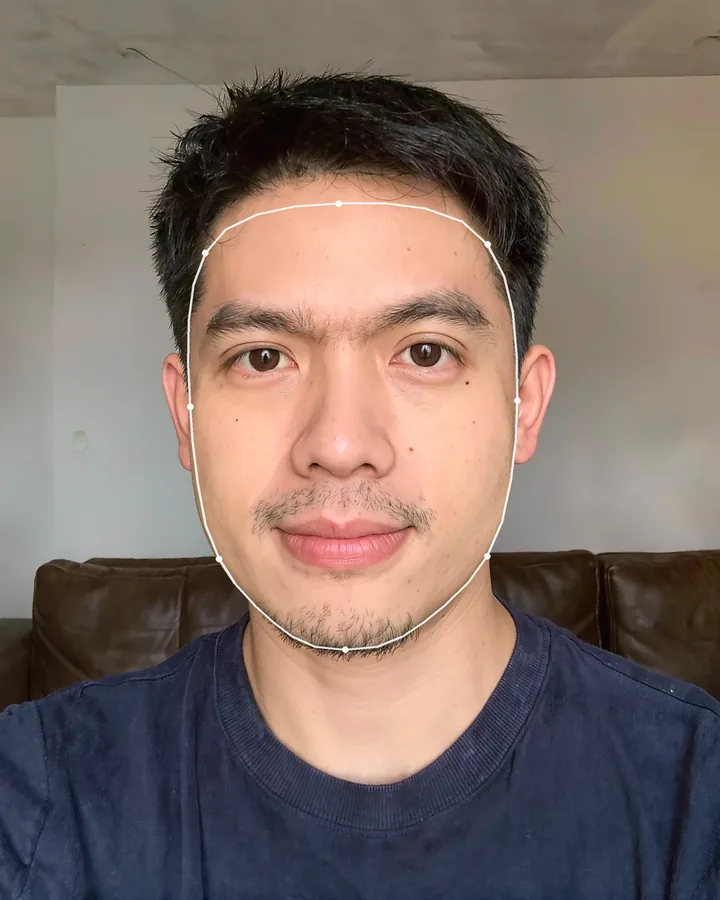
2 See your face shape and what suits you
Free: your face shape, your strengths and your first tips, in plain words.
-

3 Decide if you want more
See how many more tips are waiting for you. Unlock them only if you want them.
Start with one selfie
Your face shape and what suits you, free.
Questions
What percentage of facial symmetry is normal?
There is no set normal. Every face has some difference between its two sides. This test tells you whether the difference in your photo is big enough for anyone to notice.
Is any face 100% symmetrical?
No. Even faces picked as pleasing have a small difference. When researchers mirror one half to make a face perfectly even, people find it less natural.
Why does my face look uneven in selfies?
A head turned a little, or a phone held to one side, makes the nearer side look wider. The test can only correct a head tipped sideways, so look straight at the camera with the phone in front of your nose, from about 1.5 m (5 ft) if you can.
What's the easiest way to make my face look more even?
If you wear a centre part, move it a little off the middle or add a textured fringe. A dead-centre part works like a ruler between your sides.
How the test measures your symmetry
How the test measures your symmetry How we measure along your eye line, what counts as normal, why mirrored faces look odd, and the studies behind it.
Below: how the test reads your photo, how much difference is normal, why selfies add false asymmetry, and our sources.
What counts as normal, and how the test reads your photo
Is there a normal amount of symmetry? There is no set number. Clinical studies measured the two sides of healthy faces (Farkas & Cheung 1981), including faces chosen as pleasing (Peck, Peck & Kataja 1991), and found differences between them.
Why 100% symmetrical faces look odd: Nobody has a 100% symmetrical face. When researchers mirror one half of a photo onto the other to make it perfectly even, people rated the mirrored faces as less natural (Zaidel & Cohen 2005).
How this test works: We measure along the line through your pupils, so a head tipped to one side doesn't count. We draw a centre line through the middle of your face and compare how far each cheekbone and jaw corner sits from it, as a share of your face width. This test compares your two sides as a share of your face width, so it says which side is wider, not by how many millimetres. It also can't undo a head turned to one side, which makes the nearer side look wider, so use a photo where you look straight at the camera.
Where the answers change: the test looks at your cheekbones and your jaw corners separately, each as a share of the width between your cheekbones. A tapped dot can easily land a few pixels off, and that alone can move a pair by several percent, so the test only names a wider side when one pair differs by 11% or more. Under that, it reads as no difference anyone would notice. A pair more than 30% apart, or a dot on the wrong side of the centre line, asks you to check the dots. These lines are this test's own, not a clinical standard.
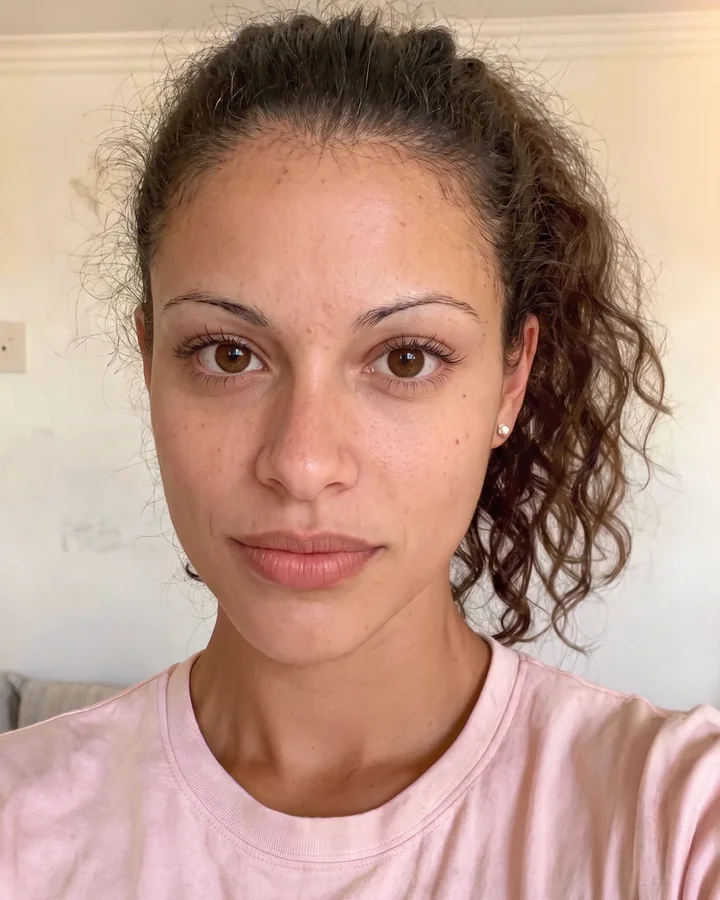
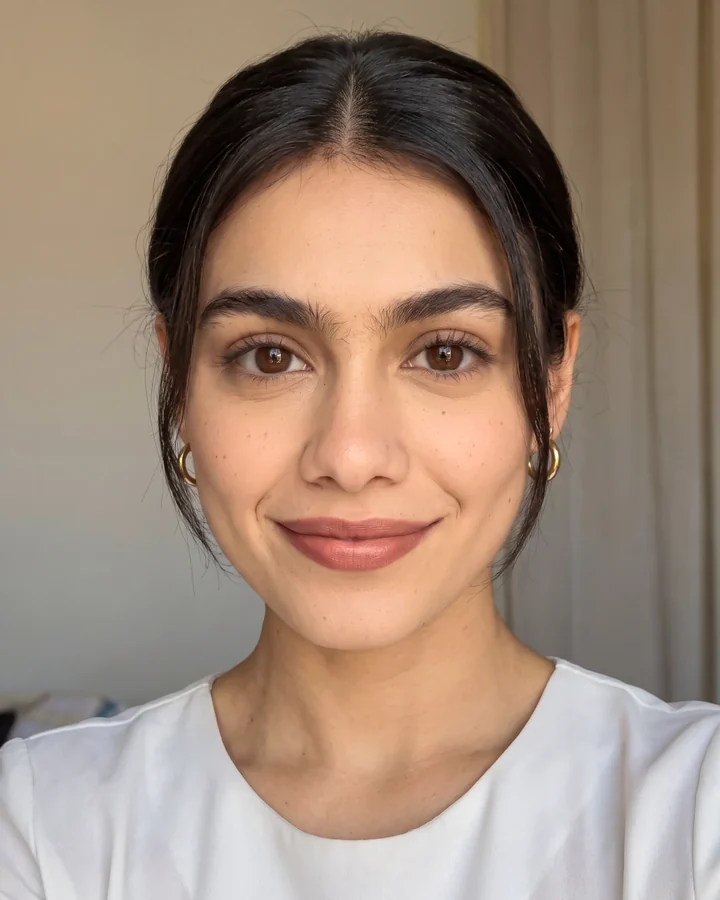
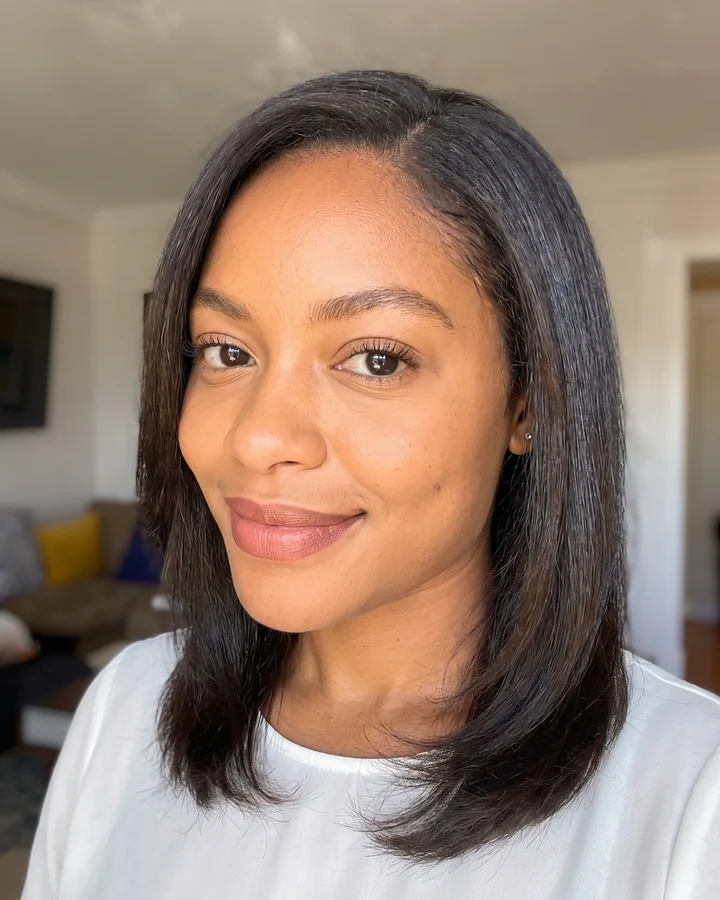
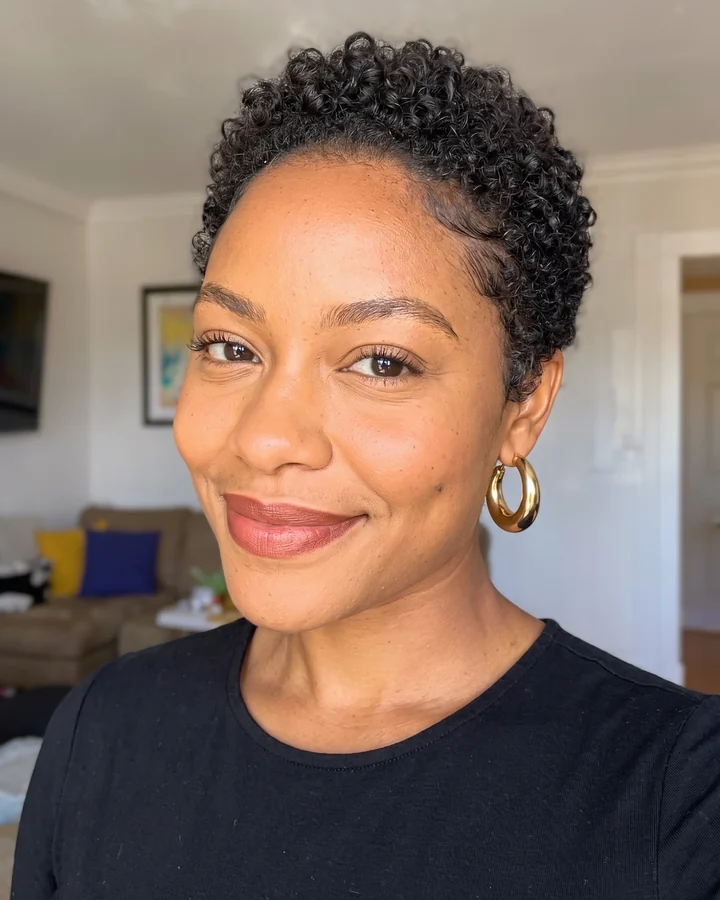
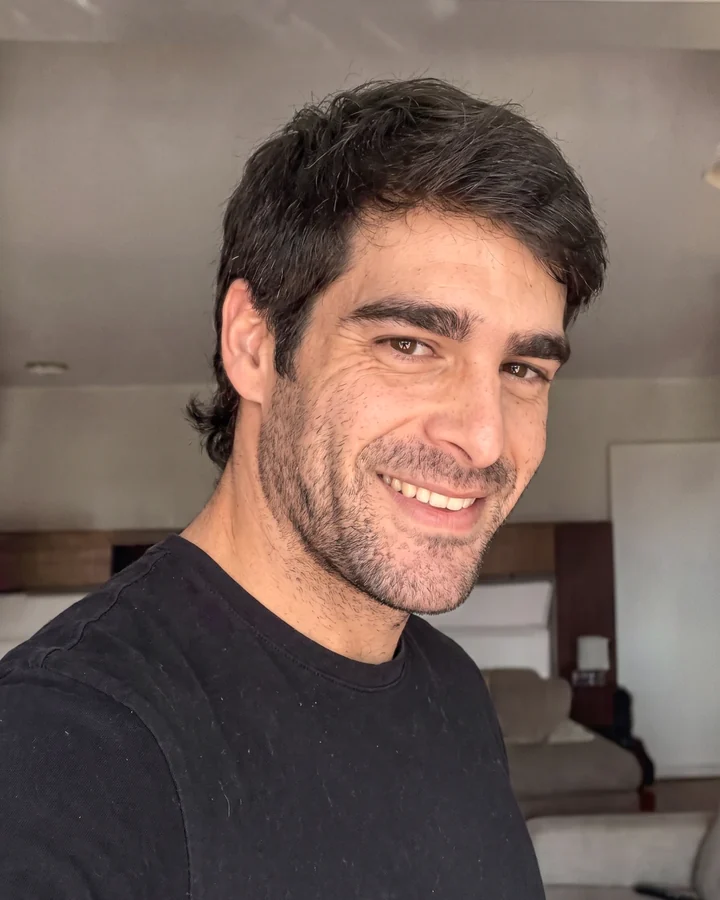
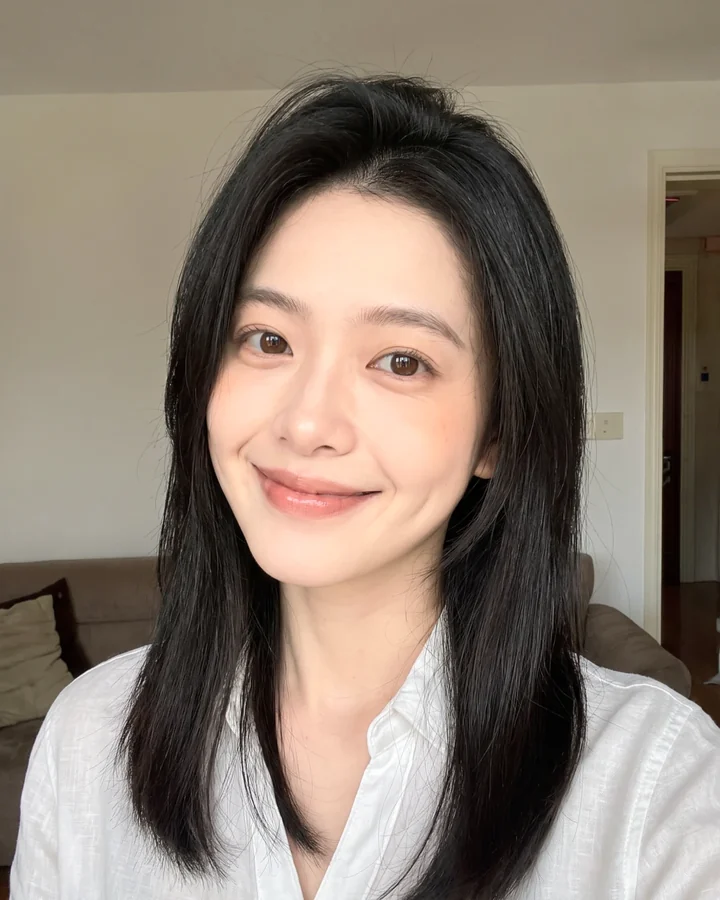
How steady the answer is: we moved all nine dots at random on the four example faces, 10,000 times each, by about 6 and then about 10 pixels of a 720-pixel-wide photo (roughly 3 and 5 pixels on a phone screen). Measured from their own dots, the example faces differ by 8.3% at the cheekbones and 9.3% at the jaw (face 1), 7.4% and 3.1% (face 2), 10.8% and 9.0% (face 3), and 0.3% and 0.4% (face 4), so all four read “No difference anyone would notice”. With the smaller error, that answer held in 90.8% and 99.8% of runs for faces 2 and 4; with the larger one, in 71.2% and 94.1%. Faces 1 and 3 sit closer to the 11% line, so a dot a few pixels off flips the answer to “One side is a little wider” in 40.5% and 65.3% of runs (56.1% and 71.0% with the larger error). On face 3, hair covers her cheek edge on the right of the photo and her head is turned a touch, so the left of the photo measures wider at the cheekbones. So the photo matters most: look straight at the camera, with both sides of your face in view.
Why you notice your own asymmetry more than others do
You look at your own face up close, often, and mostly in the mirror, where it is flipped. Other people see it from further away, in conversation, and always the right way round. A difference that stands out to you on a screen rarely stands out to them.
A head tipped to one side adds a false difference, which this test removes by measuring along your eye line. A head turned to one side it can't undo, so use a photo where you look straight at the camera.
Why no human face is 100% symmetrical, and why mirrored faces look odd
Mirror filters copy one half of your face onto the other. The result often looks like a different person.
Even faces picked as pleasing are not mirror-even. In an orthodontic study (Peck, Peck & Kataja 1991), researchers measured X-rays of people picked for pleasing faces and still found differences between the two sides.
Mirrored faces look less natural. When Zaidel & Cohen (2005) compared mirrored faces with natural ones, people rated the mirrored faces as less natural. Copying one half can set the eyes a little too close or make the nose look too wide.
How holding a phone to one side warps your face. Many people hold the phone a little to one side and turn their head slightly when taking a selfie at arm's length. Because of close-up perspective, the cheek nearer the camera looks bigger and the far cheek smaller. The false difference goes away when the camera is about 1.5 m away: at 30 cm the nose looks about 4% wider than from 150 cm, and Ward et al. (2018) put it at about 30% measured against the cheekbones. CEVO's scan reads your iris size to tell how close the camera was, and asks for a retake if the photo was taken too close.
Why unflipped photos seem to shift. In the mirror you always see your face flipped, so any small offset always points the same way. An unflipped photo points it the other way, so a 1.5 mm offset seems to move 3 mm, though it is the same size. Try it on the true mirror.
4 ways to visually balance everyday asymmetry (without surgery)
If a small difference in brow height, cheek fullness or jaw width bothers you in photos, four framing and habit changes can soften it:
| Asymmetry type | What causes it | How to balance it | What changes in photos |
|---|---|---|---|
| Centre of the face and nose | A dead-centre hair part works like a ruler right above your nose, drawing the eye to small shifts in the middle of the face. | Move the part a little off centre, or wear a textured fringe, so there is no straight line to compare your sides against. | People compare your left and right sides less. |
| One brow sitting higher | Many people raise one brow a little more than the other, often without noticing, for example when looking into a phone. | Shape both brows to the same height, measured against your pupils rather than each other. | The brows read as level. |
| One jaw corner wider | Chewing more on one side can build a little more muscle on that jaw corner over time. | Chew on both sides, and leave a little more hair or beard on the narrower side while keeping the wider side neater. | The jaw looks more even from cheekbone to chin. |
| One cheek puffier in the morning | Sleeping on one side can leave that cheek a little puffy when you wake. | Sleep on your back when you can, and take photos later in the day, once the puffiness has gone down. | Both cheeks look the same in photos. |
Sources
-
Peck S, Peck L, Kataja M (1991). Skeletal asymmetry in esthetically pleasing faces. The Angle Orthodontist, 61(1), 43–48.
-
Farkas LG, Cheung G (1981). Facial asymmetry in healthy North American Caucasians: An anthropometrical study. The Angle Orthodontist, 51(1), 70–77.
-
Zaidel DW, Cohen JA (2005). The face, beauty, and symmetry: perceiving asymmetry in beautiful faces. International Journal of Neuroscience, 115(8), 1165–1173.
-
Ward B, Ward M, Fried O, Paskhover B (2018). Nasal Distortion in Short-Distance Photographs: The Selfie Effect. JAMA Facial Plastic Surgery, 20(4), 333–335.
-
Mita TH, Dermer M, Knight J (1977). Reversed facial images and the mere-exposure hypothesis. Journal of Personality and Social Psychology, 35(8), 597–601.
See what suits your face. Free, from one front photo.
One selfie, a few minutes: your face shape, your strengths and your first tips.
Start free scan