True mirror online. See your face the way others see it.
Flip a photo or your live camera to see the face other people see.
Free. Your photo and camera stay on this device.
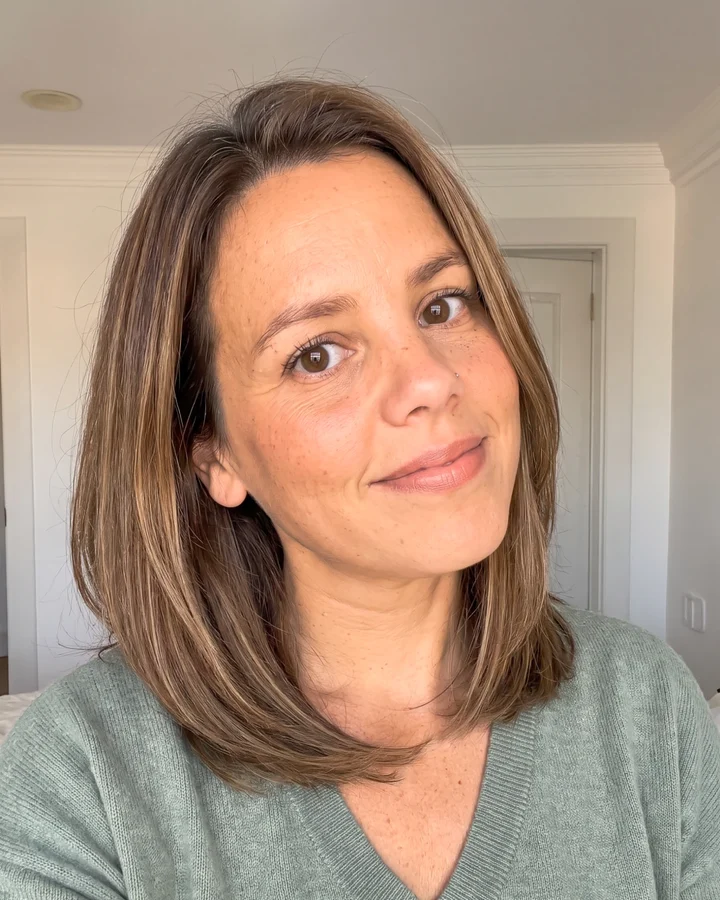
Example photo. Tap it or the switch to flip it.
Is this how your mirror shows you?
Check any writing on your clothes or behind you: if it reads backwards, pick Yes. A photo someone else took, or one from the back camera, is a No.
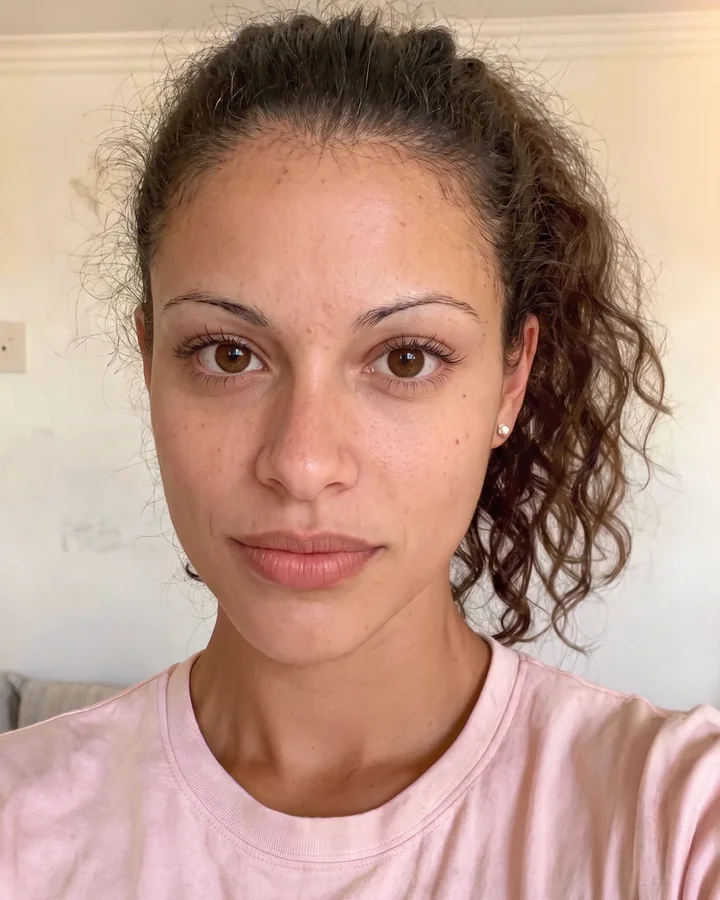
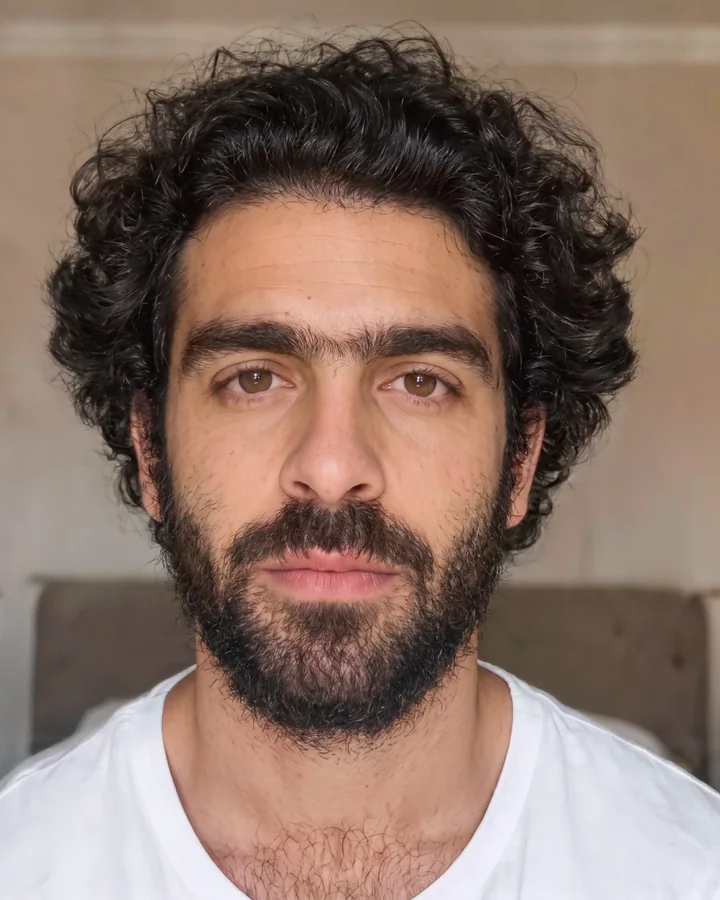
This is her mirror view. Tap As others see you and watch her curls switch sides.
or try an example
See what suits the face others see
One selfie shows your face shape, your strengths and your first tips on haircut, brows or glasses.
Start free scanWhat helps
- Getting used to it
- Look at unflipped photos of yourself more often. The faces we see most look right to us.
- Photos
- Ask someone to take it, or prop your phone and use the timer: back camera, 2x to 3x zoom, about 1.5 m (5 ft) away.
See what suits your face, free
Start free scanWhat the flip shows you
- Only you see the mirror versionEveryone else sees your face unflipped.
- Flipping moves small differencesA small difference swaps sides, so it seems to jump. To everyone else you look the same as always.
- Distance changes your face tooA phone 30 cm away makes your nose look bigger. A mirror or a photo from 1.5 m (5 ft) doesn't.
Your mirror vs. what others see
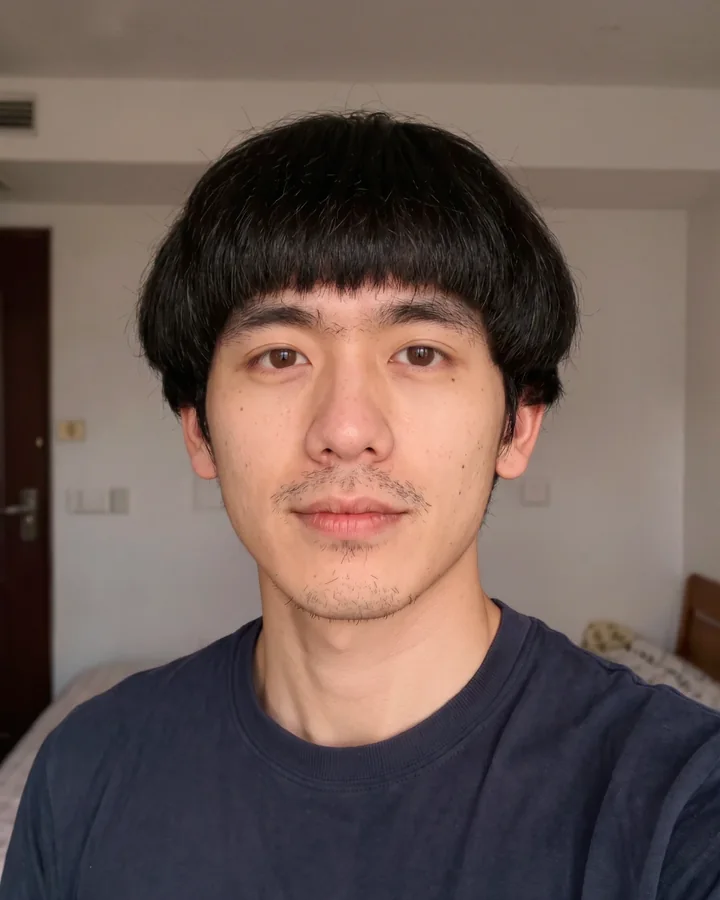
Same photo, flipped. Look at which side the door behind him is on, then at his face.
What CEVO gives you. From one selfie.
-
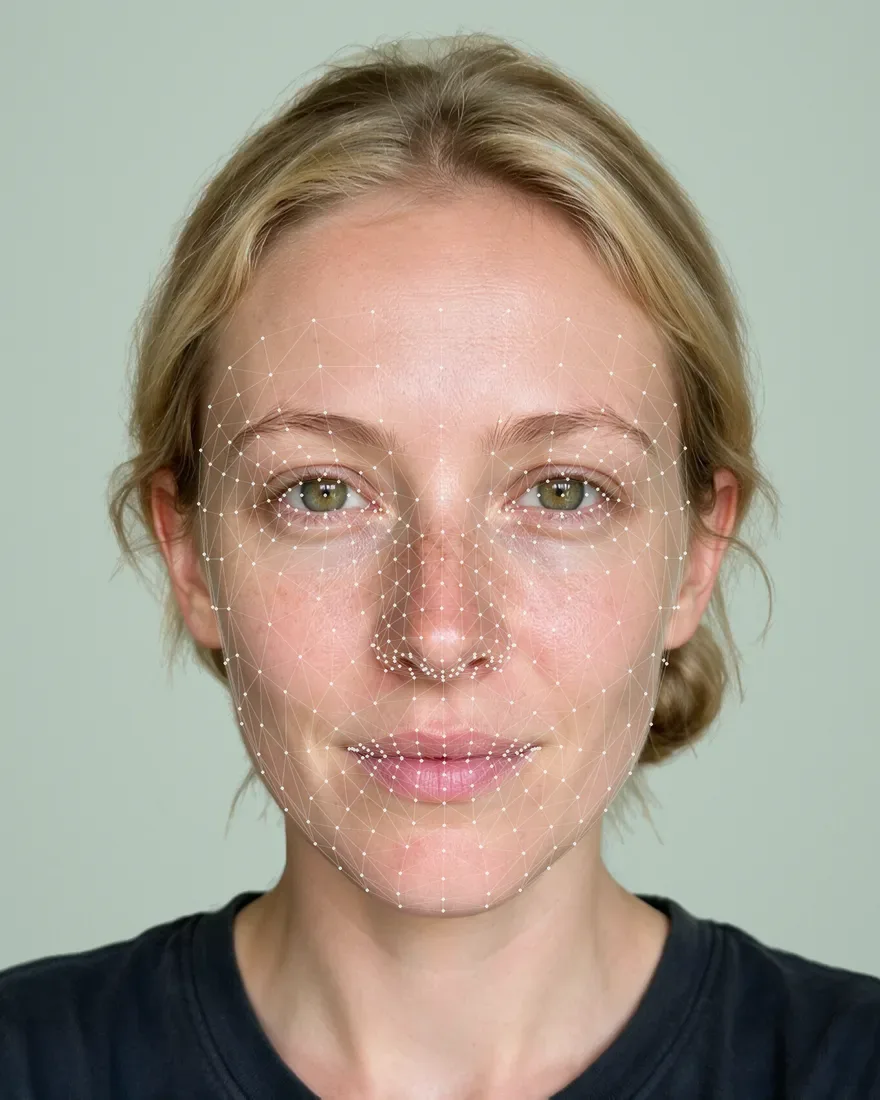
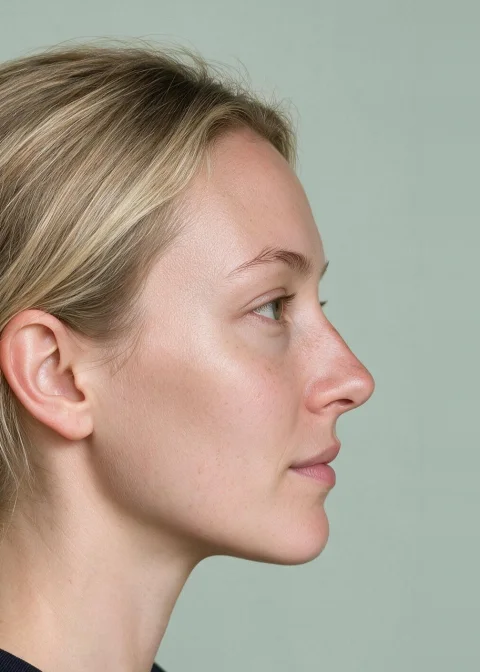
A 478-point face scan
Every point of your face mapped from one selfie, plus a side photo for your profile.
-
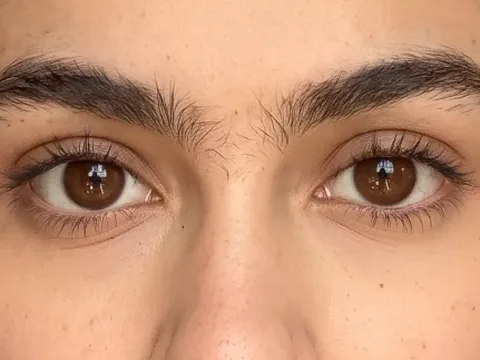
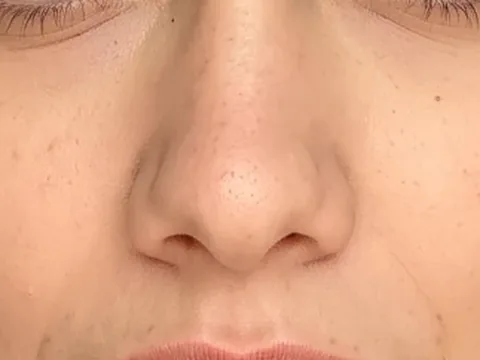
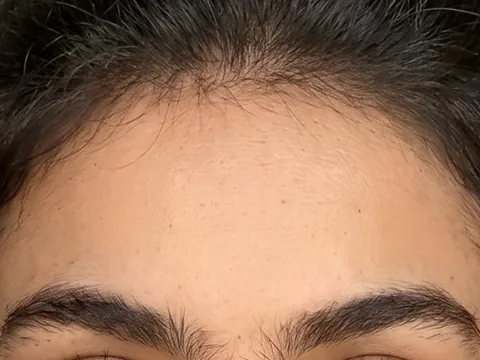
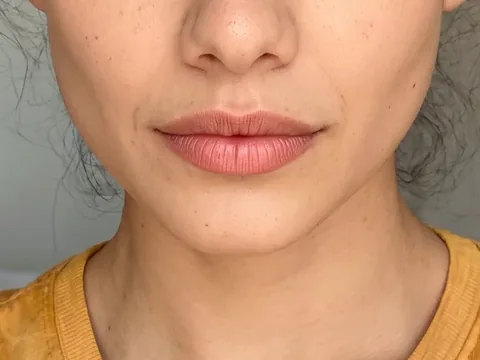
169 tests, region by region
Twelve regions of your face measured, from brows to jawline, plus the age your face reads as.
-
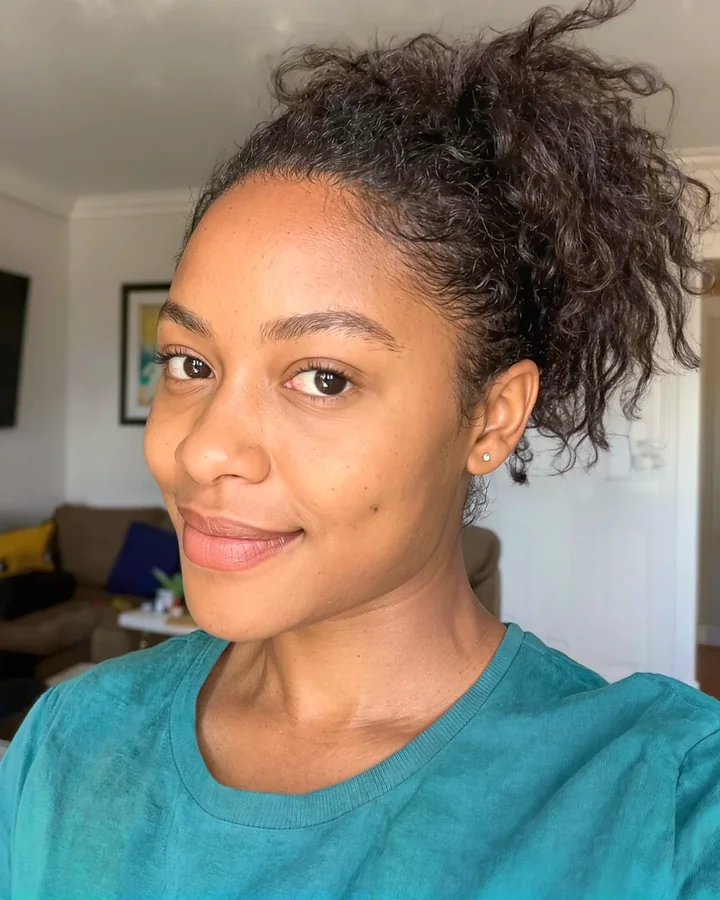
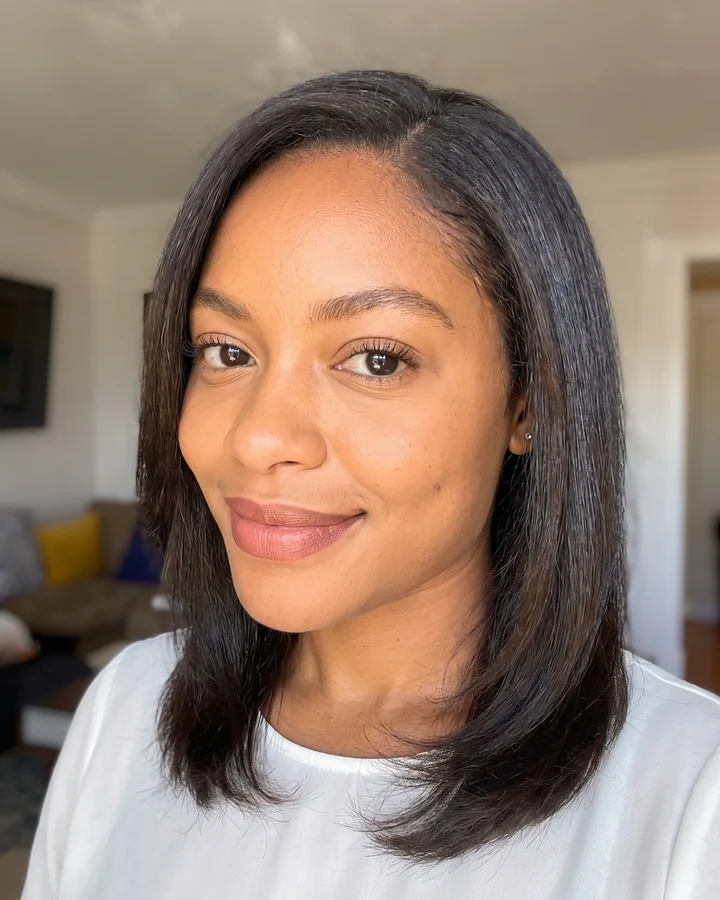
A natural glow-up on your own face
Hair, brows and skin changed on your photo. Your bone structure stays as it is.
-
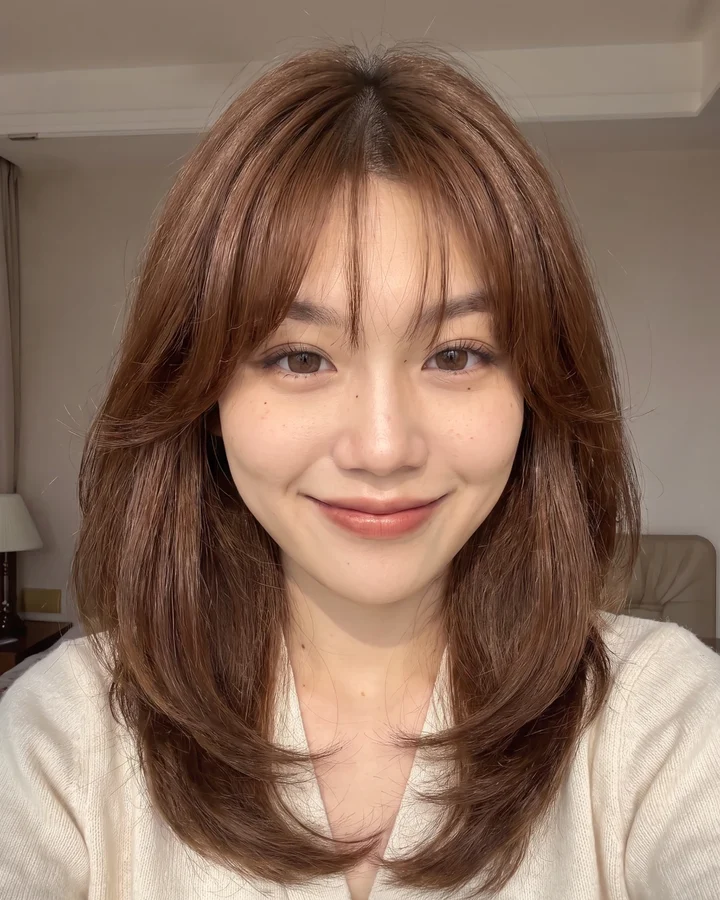
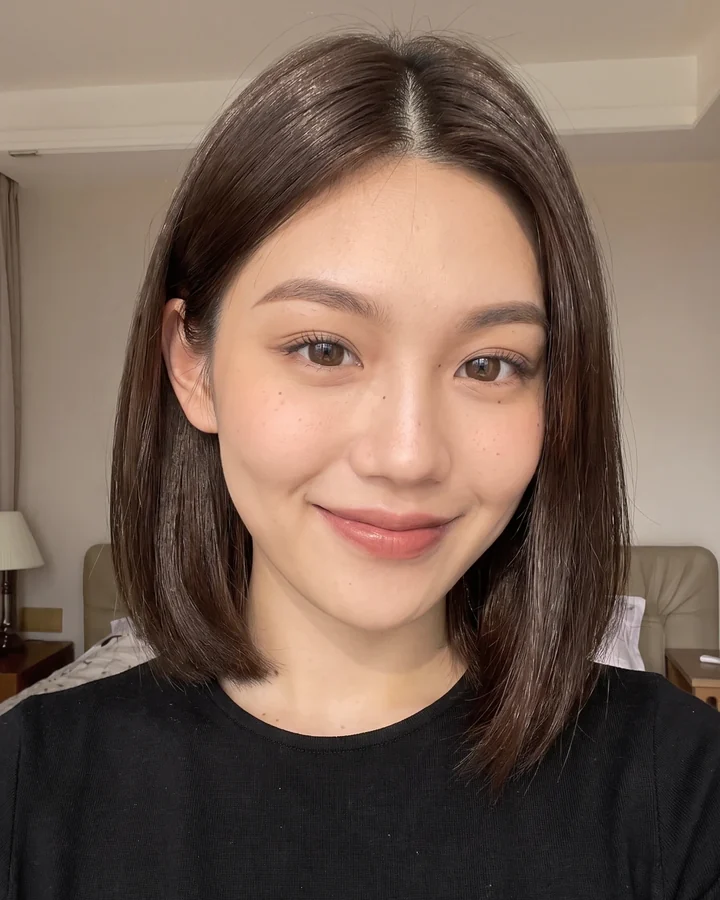
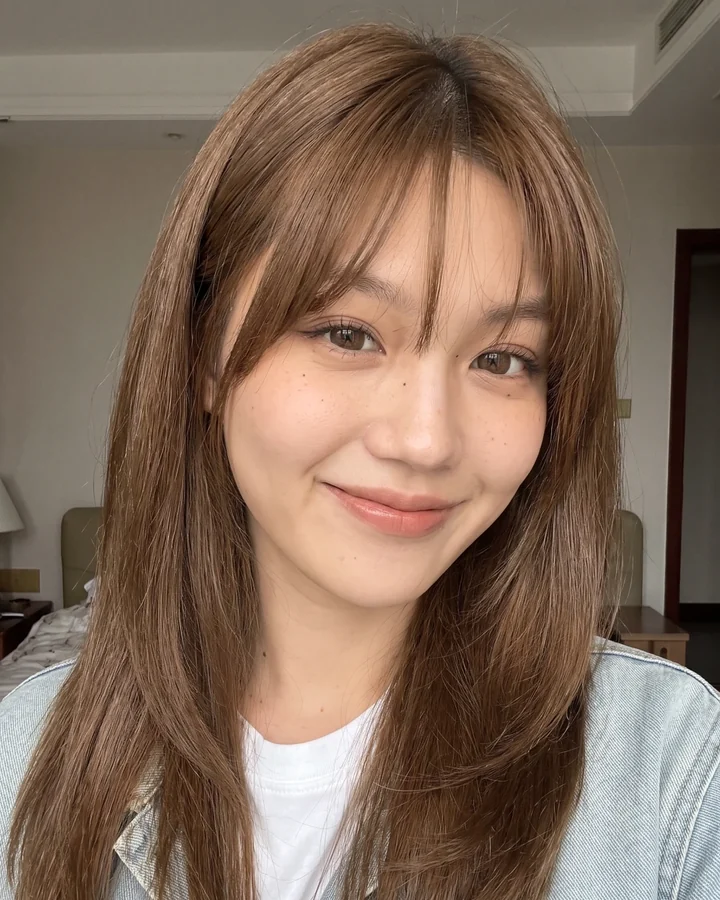
Hairstyles on your own face
The cuts that suit your face shape, side by side.
-
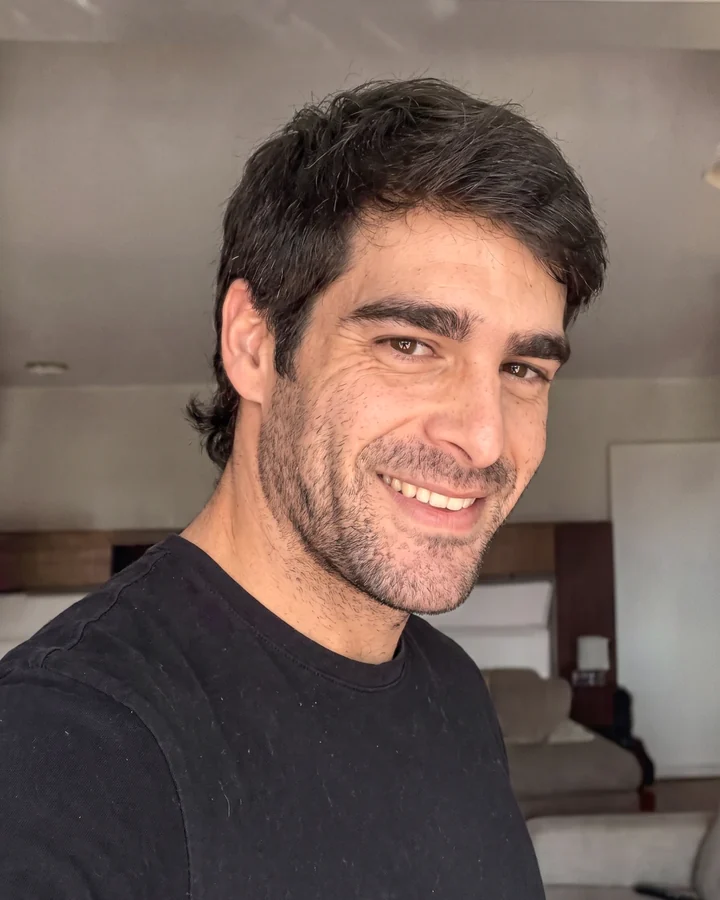
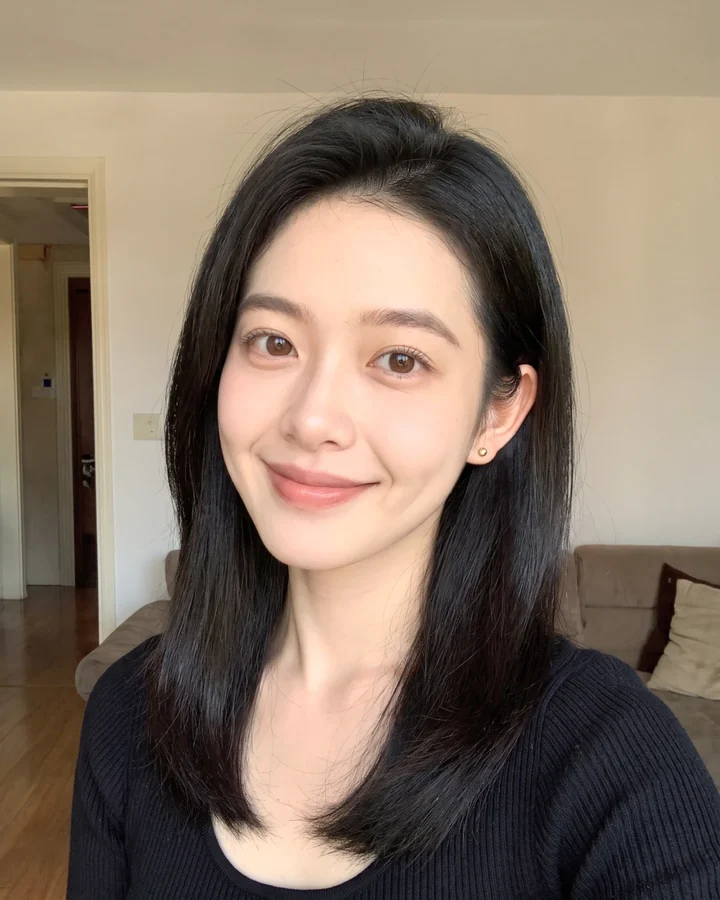
Brows, beard and makeup
Brow shape, beard length and makeup picked for your features.
-
A 90-day routine
Hair, skin and grooming steps to follow for 90 days, made for your face.
-
$29
Basic Readout
- Up to 10 front-view tests
- Your facial balance breakdown, feature by feature
-
$59 Recommended
Complete Clinical Dossier
- Front and side: all 169 tests
- Glow-up and up to 3 hairstyles on your own face
- 90-day routine and your facial age
-
$119
Master Suite, the surgery pack
- Surgical simulation with a millimetre change map
- Surgeon-ready PDF and up to 10 hairstyles
- 4 re-scans over a year
One payment, no subscription. Every report is checked by our team and ready within 24 hours.
How the free scan works
-
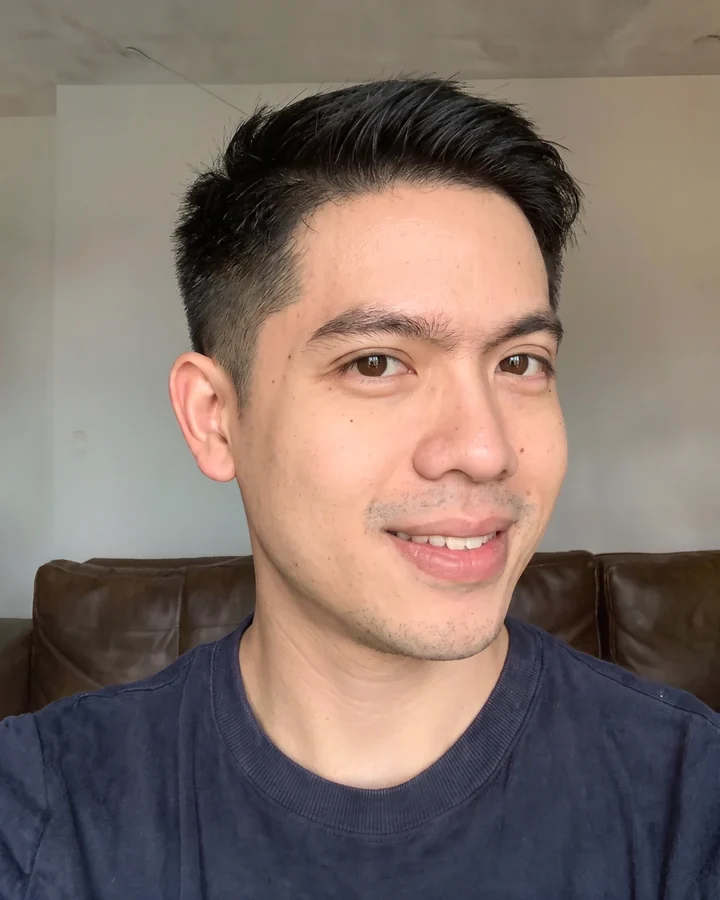
1 Take a selfie
Prop your phone at eye level, about 1.5 m away. Too close, and CEVO asks for another photo.
-
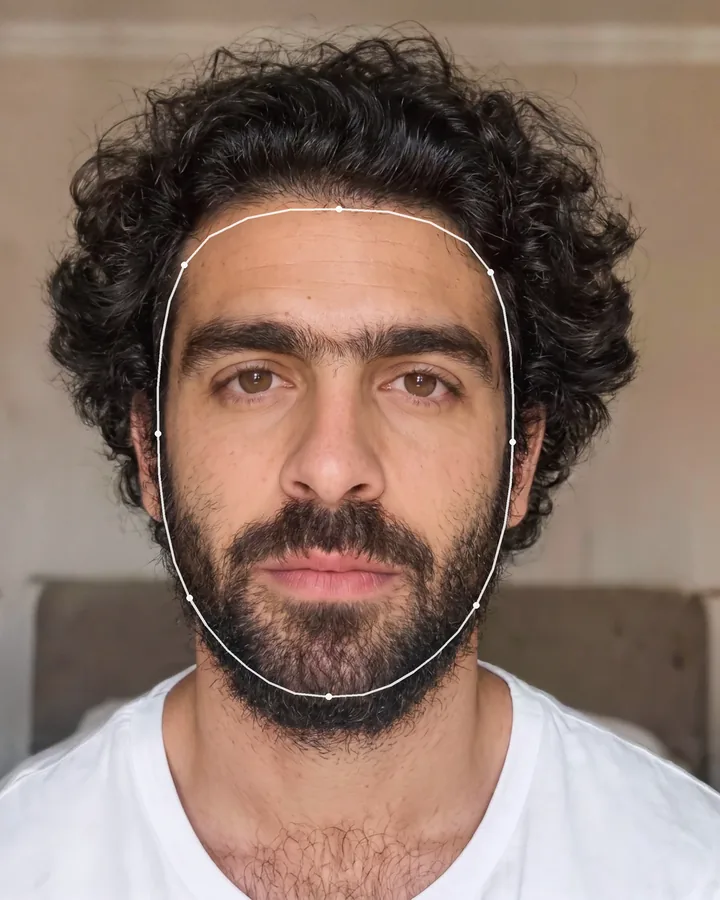
2 See your face shape and what suits you
Free: your face shape, your strengths and your first tips, in plain words.
-
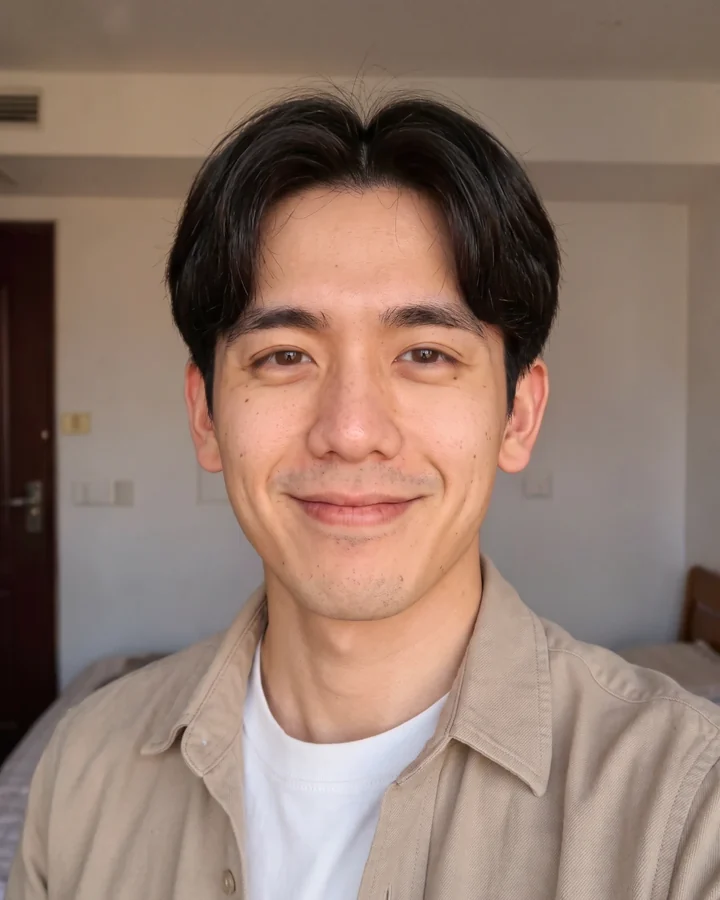
3 Decide if you want more
See how many more tips are waiting for you. Unlock them only if you want them.
Start with one selfie
Your face shape and what suits you, free.
Questions
Why does my face look crooked when a photo is flipped?
You know your mirror version best, and a photo puts the small differences between your two sides the other way round. People in a 1977 study liked their own mirror image more than an unflipped photo for exactly this reason (Mita, Dermer & Knight).
Do I look more like the mirror or my phone camera?
For proportions, the mirror: there's no lens to stretch your face. A front camera 30 cm away makes the nose look bigger. For left and right, an unflipped photo is what people see.
Do other people prefer my mirror image or my real face?
Your real face. In a classic study, most people preferred their own mirror image, while their partners and close friends mostly preferred the unflipped photo.
Why does my phone's front camera show me flipped?
The preview works like a mirror, so moving feels natural. Some phones save the photo that way too and others save it the right way round, which is why this tool asks which way round your photo is.
How the true mirror works
How the true mirror works Why a flipped face looks wrong to you, what camera distance does, and the studies behind it.
The flip turns your photo or camera view left to right in the page; nothing is uploaded. Below: what camera distance does to your face, why the flip feels strange, and our sources.
Why you look different in the mirror than in a 30 cm selfie
A nose photographed from 30 cm looks about 4% wider than from 1.5 m, which is how far away your face looks in a bathroom mirror (CEVO's selfie study; measured against the cheekbones, Ward et al. 2018 put it at about 30%).
Why a flipped face looks wrong to you
You're used to the mirror version. Every face has a small, normal difference between its left and right sides. You see your face in the mirror every morning, so your brain expects your hair part, a slightly higher brow or a lopsided smile to sit on one side. An unflipped photo puts them on the other.
We tend to like what we have seen most often (Zajonc 1968). Mita, Dermer & Knight (1977) showed students a mirror photo and an unflipped photo of themselves: most picked the mirror photo, while their partners and close friends, who never see the mirror version, mostly picked the unflipped one.
Bathroom mirror vs. close selfie vs. photo from 1.5 m: which one shows the real you?
Your bathroom mirror is true to your proportions (nose, cheekbones, jaw), and an unflipped photo from about 1.5 m is true to left and right. Only a close phone selfie changes your proportions:
| Viewing method | Distance | Left and right | Nose and jaw | How close to real life? |
|---|---|---|---|---|
| Bathroom mirror | About 75 cm from the glass, so your face looks as if seen from 1.5 m | Flipped | As others see them | True proportions, flipped left to right. Only you see your face this way. |
| Close phone selfie | About 30 cm, at arm's length | Flipped or not, depending on the phone | Nose about 4% wider and jaw about 3% narrower than from 1.5 m | The most changed view: the nose looks a little bigger and the jaw narrower. |
| Back camera at 2x to 3x zoom | About 1.5 m (5 ft) | Unflipped, the real left and right | As others see them | How others see you: true proportions, the right way round. |
How stepping back from 30 cm to 1.5 m changes your face in photos
If you still feel you look worse in photos than in the mirror after getting used to the unflipped view, the cause is almost always camera distance. Your nose sits closer to the camera than your cheekbones, and your cheekbones closer than your jaw corners. Up close, the nearer parts are enlarged more, so the nose grows and the jaw shrinks; step back and the difference fades. Photos from closer up change a face's shape and how people judge it (Třebický et al. 2016; Bryan, Perona & Adolphs 2012).
| Camera distance | Your nose | Your jaw |
|---|---|---|
| About 30 cm, a close selfie | About 4% wider than from 1.5 m | About 3% narrower |
| About 50 cm to 75 cm | A little bigger | A little narrower |
| About 1.5 m (5 ft), like your mirror | As others see it | As others see it |
Sources
-
Mita TH, Dermer M, Knight J (1977). Reversed facial images and the mere-exposure hypothesis. Journal of Personality and Social Psychology, 35(8), 597–601.
-
Zajonc RB (1968). Attitudinal effects of mere exposure. Journal of Personality and Social Psychology, 9(2, Pt.2), 1–27.
-
Ward B, Ward M, Fried O, Paskhover B (2018). Nasal Distortion in Short-Distance Photographs: The Selfie Effect. JAMA Facial Plastic Surgery, 20(4), 333–335.
-
Třebický V, Fialová J, Stella D, et al. (2016). Focal Length Affects Depicted Shape and Perception of Facial Images. PLoS ONE, 11(2), e0149313.
-
Bryan R, Perona P, Adolphs R (2012). Perspective distortion from interpersonal distance is an implicit visual cue for social judgments of faces. PLoS ONE, 7(9), e45301.
See what suits your face. Free, from one front photo.
One selfie, a few minutes: your face shape, your strengths and your first tips.
Start free scan