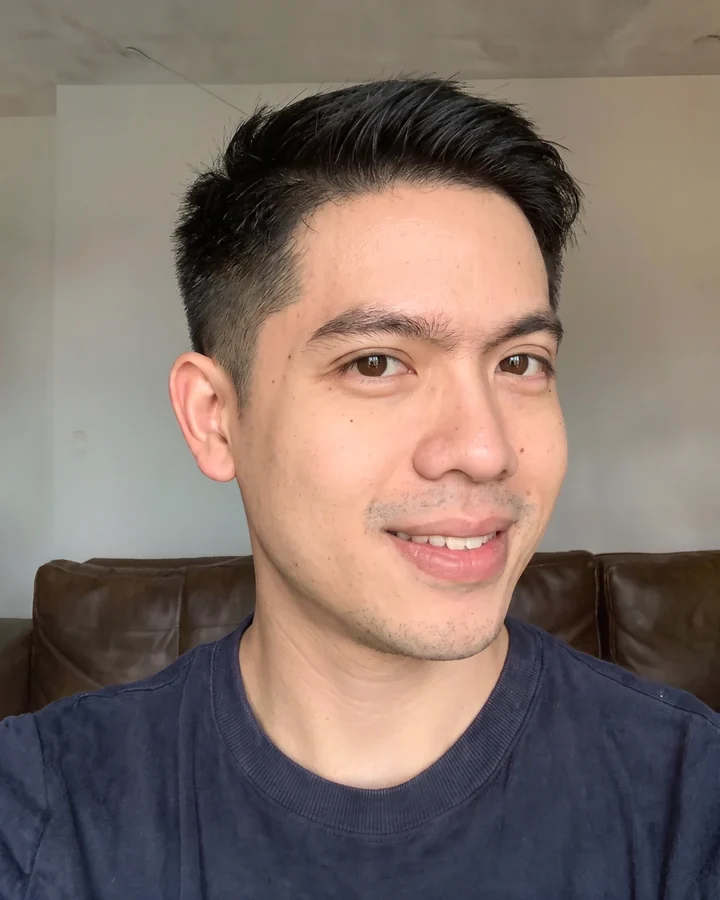
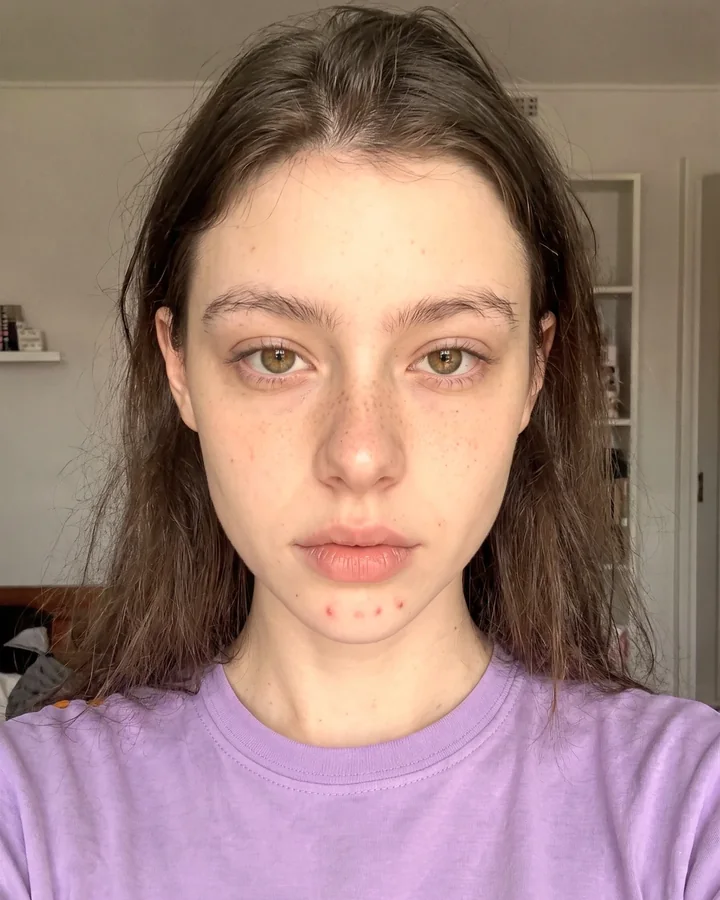
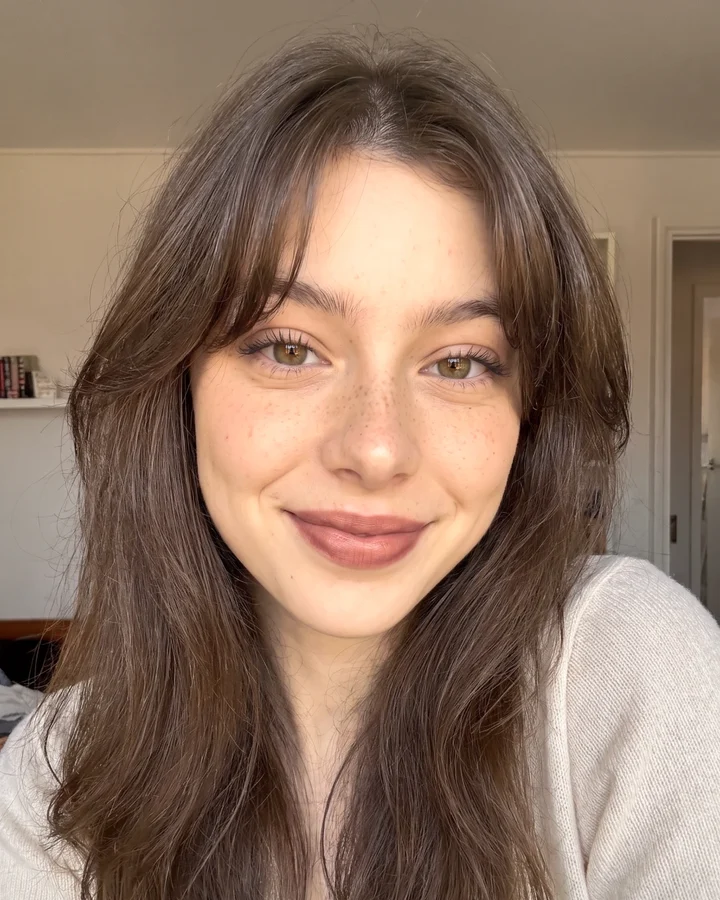
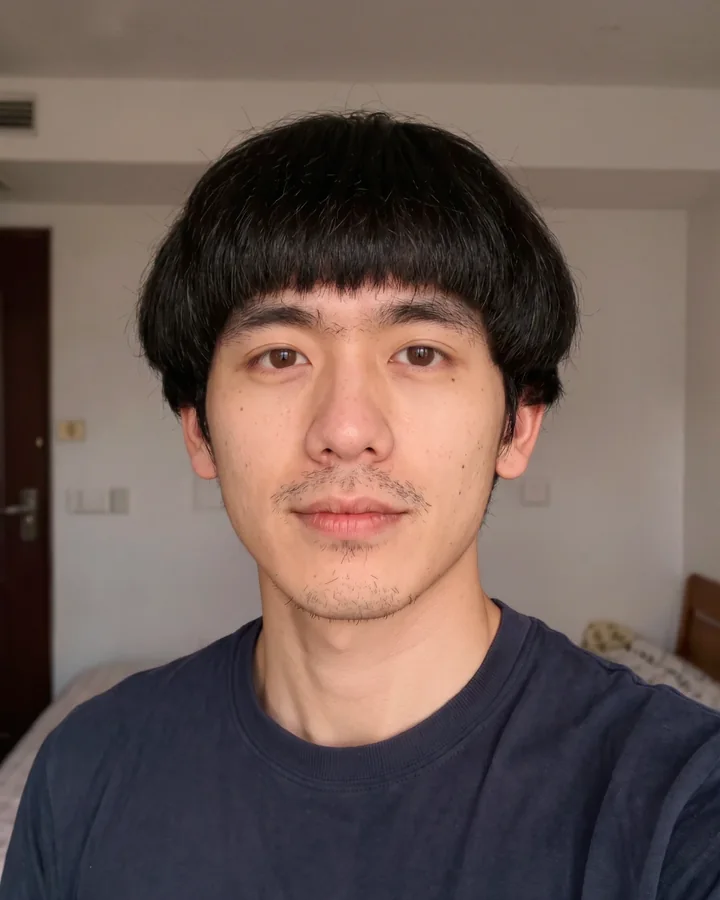
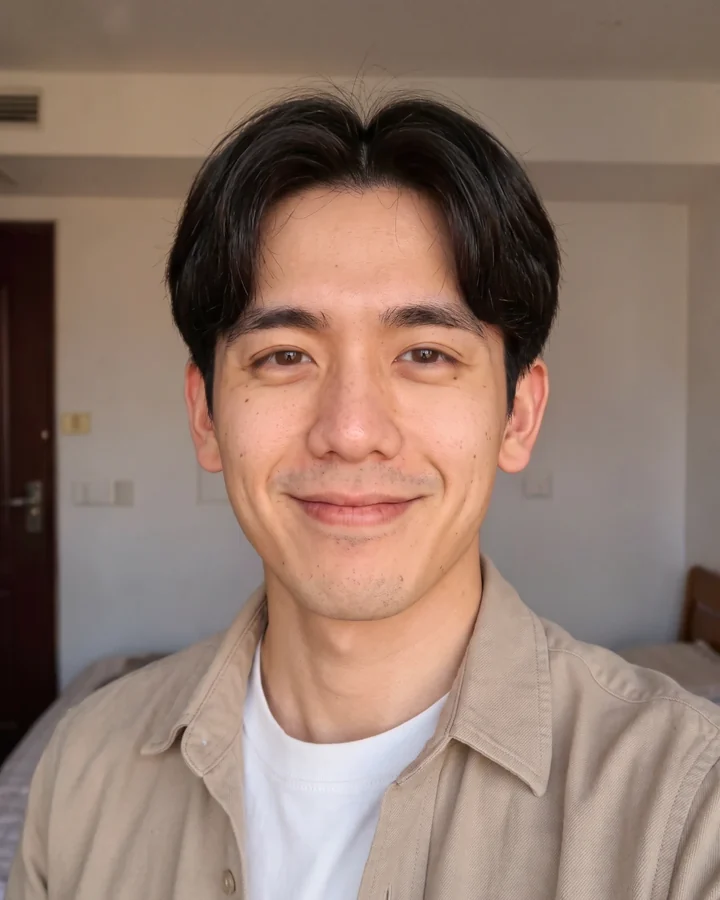
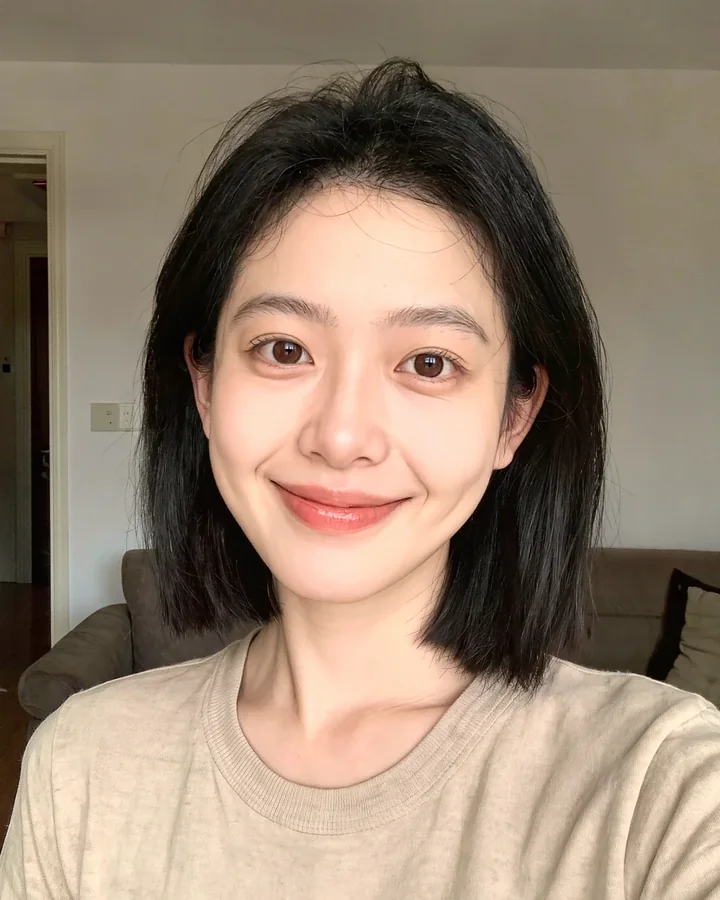
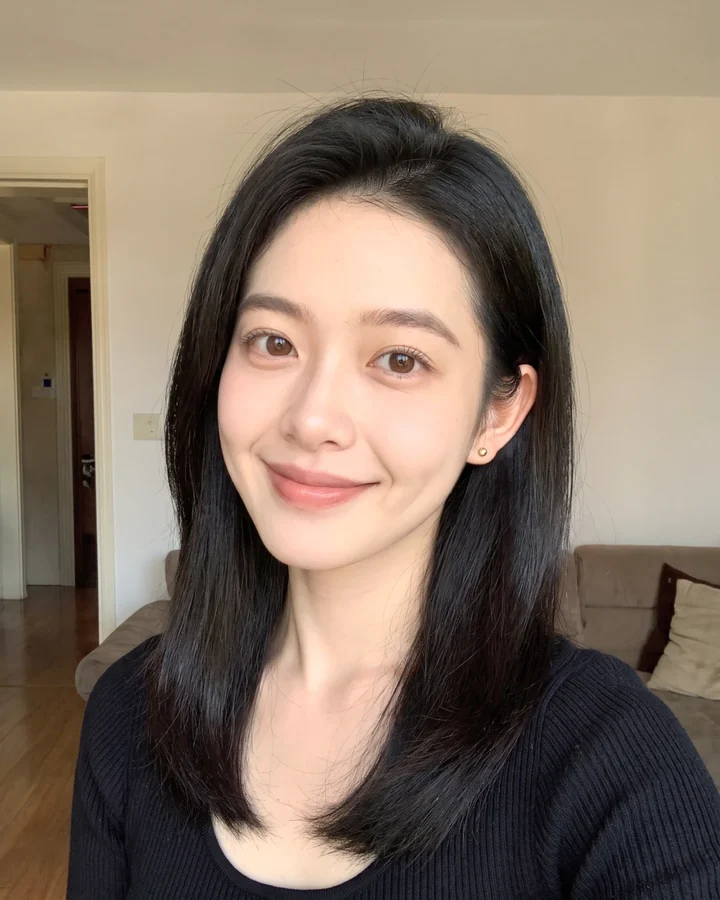
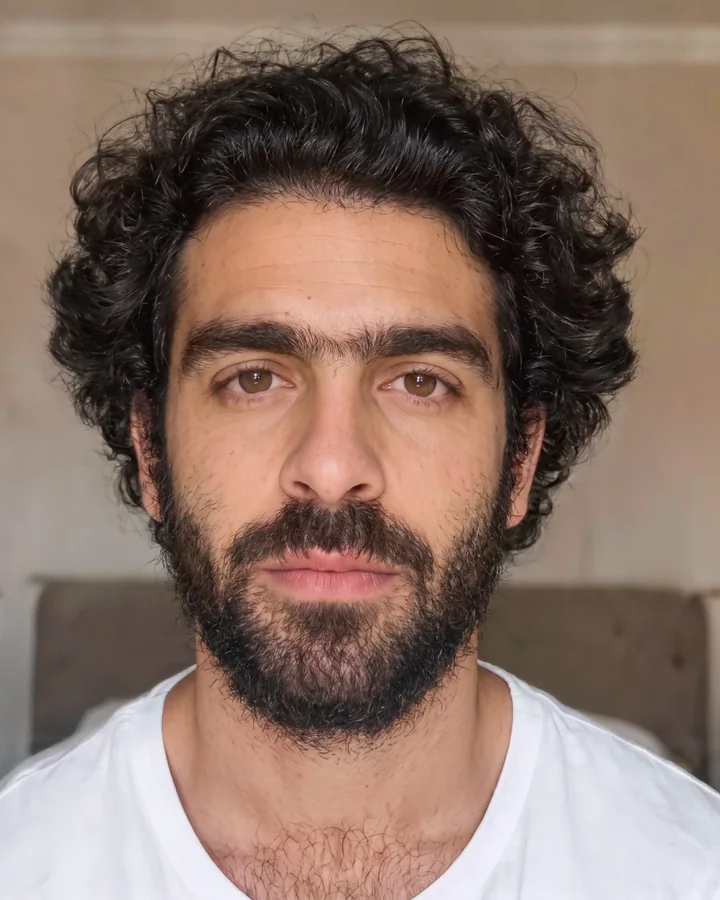
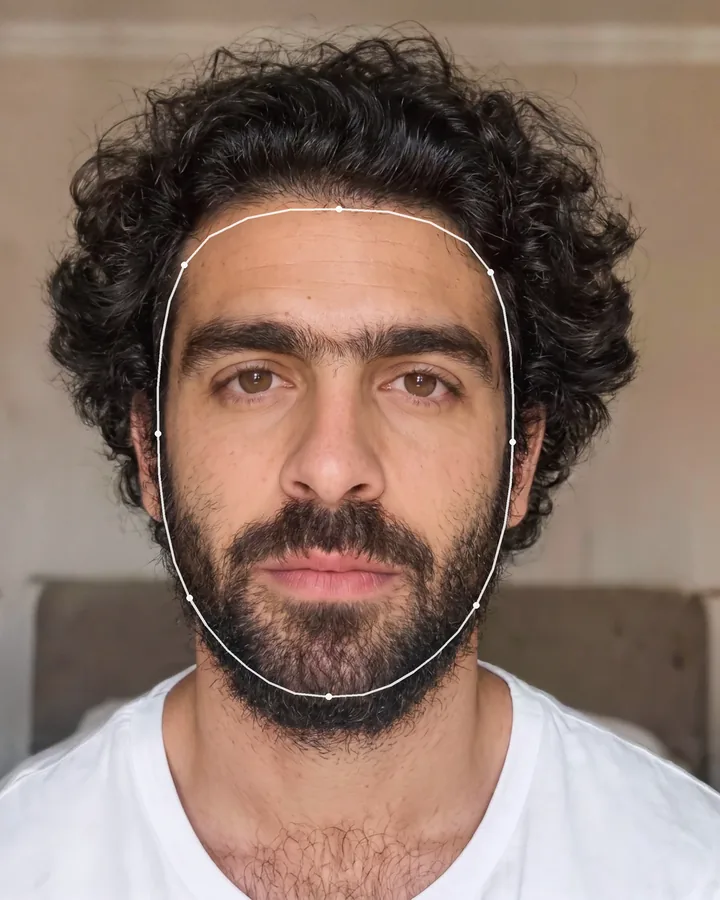
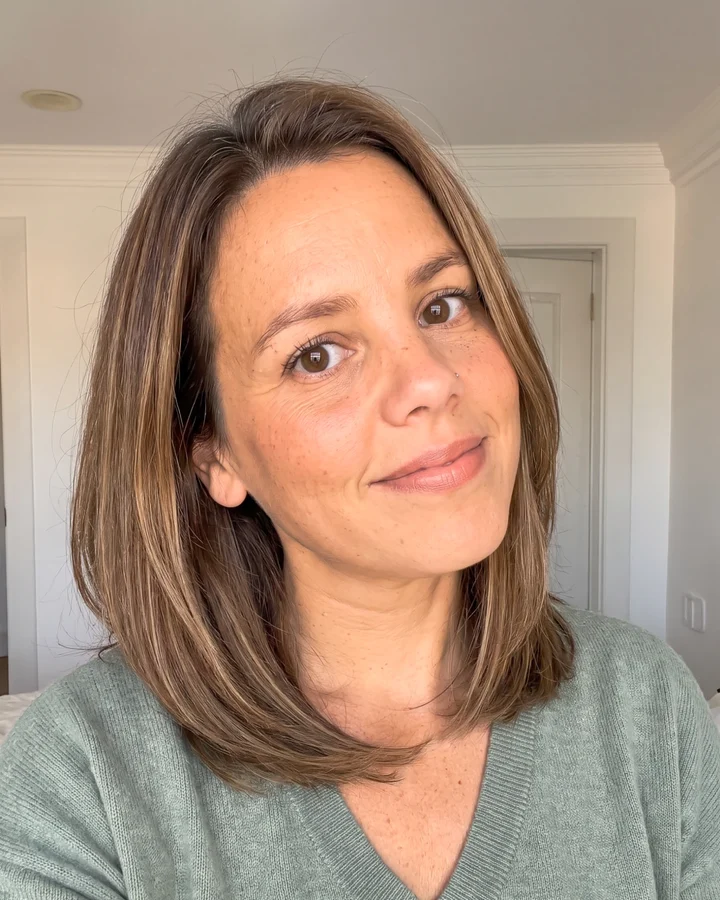
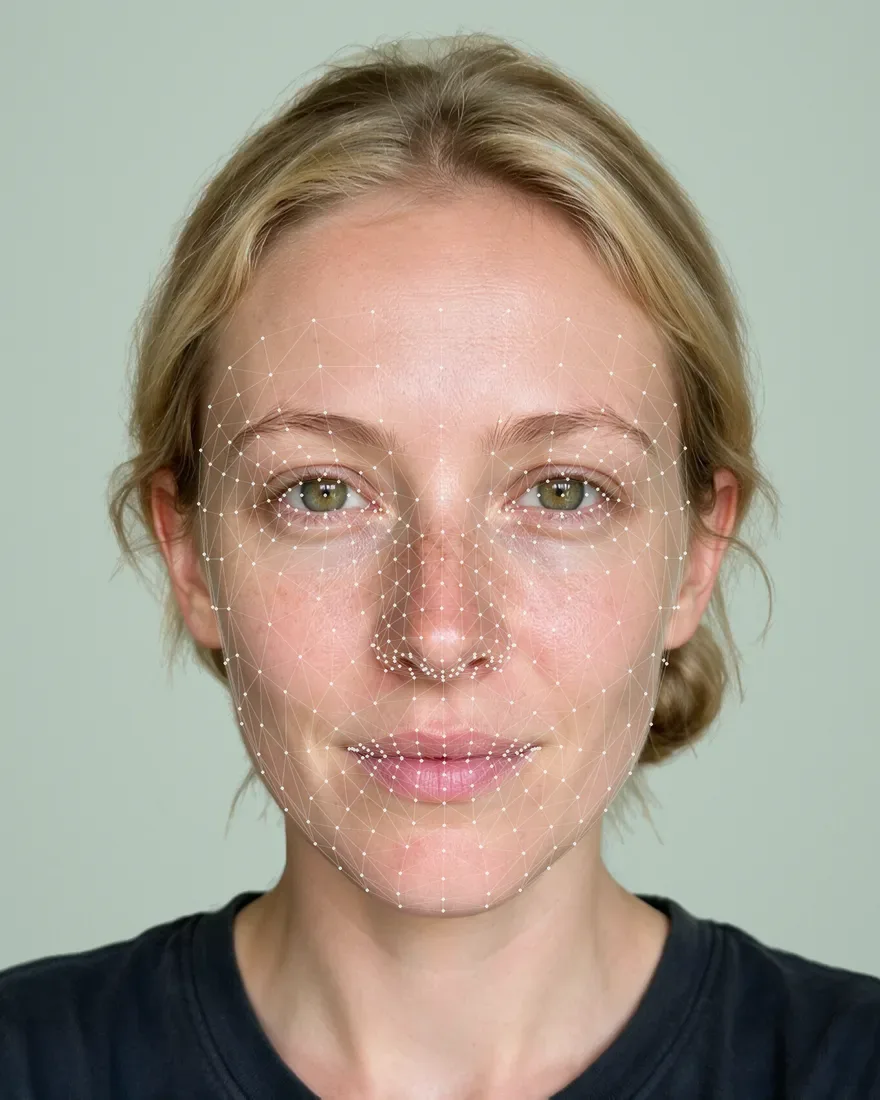
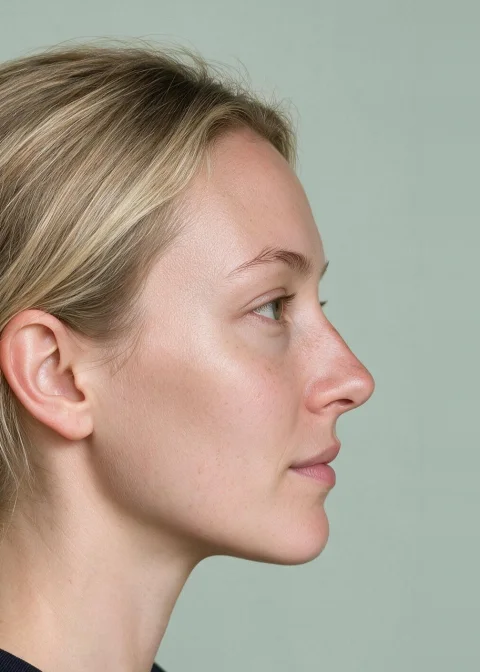
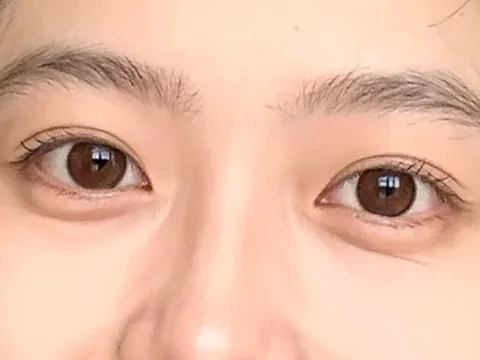
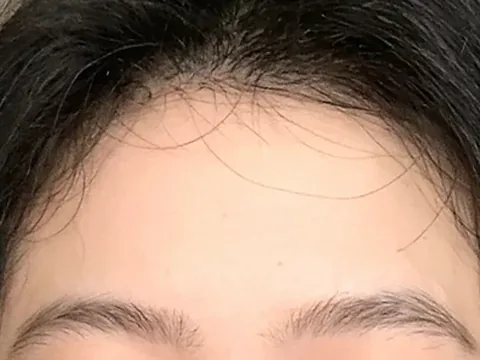
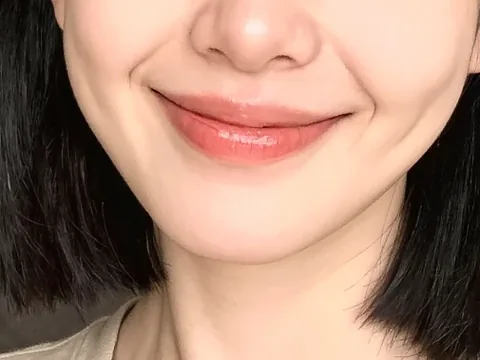
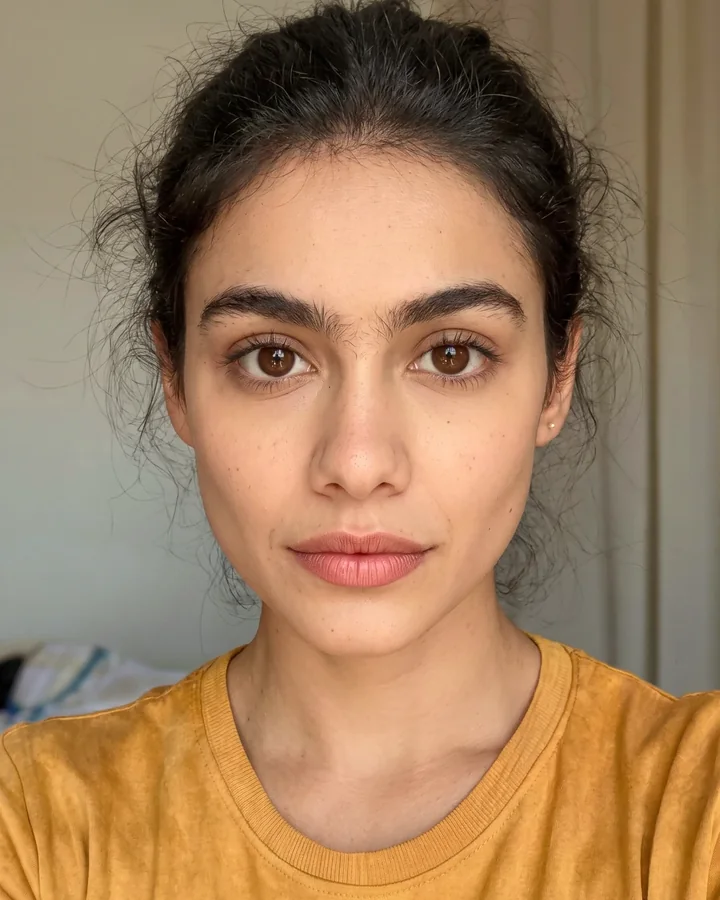
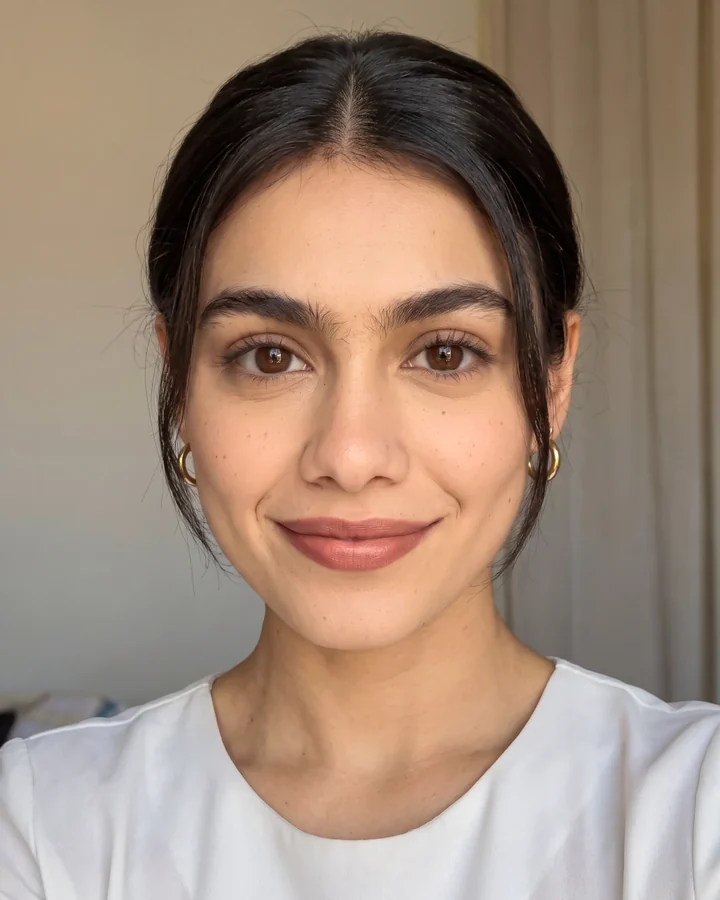
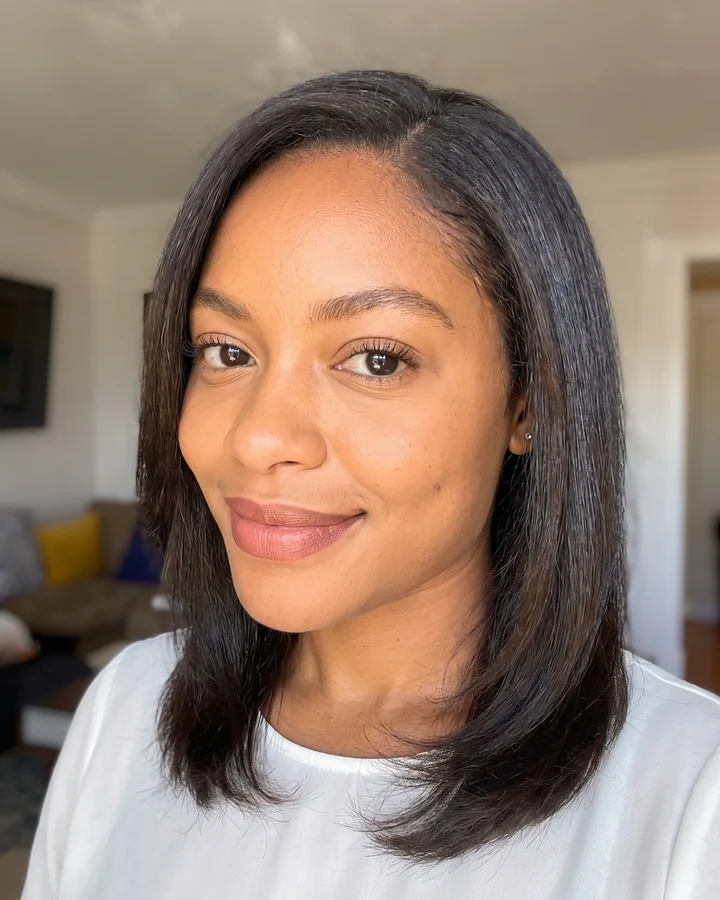
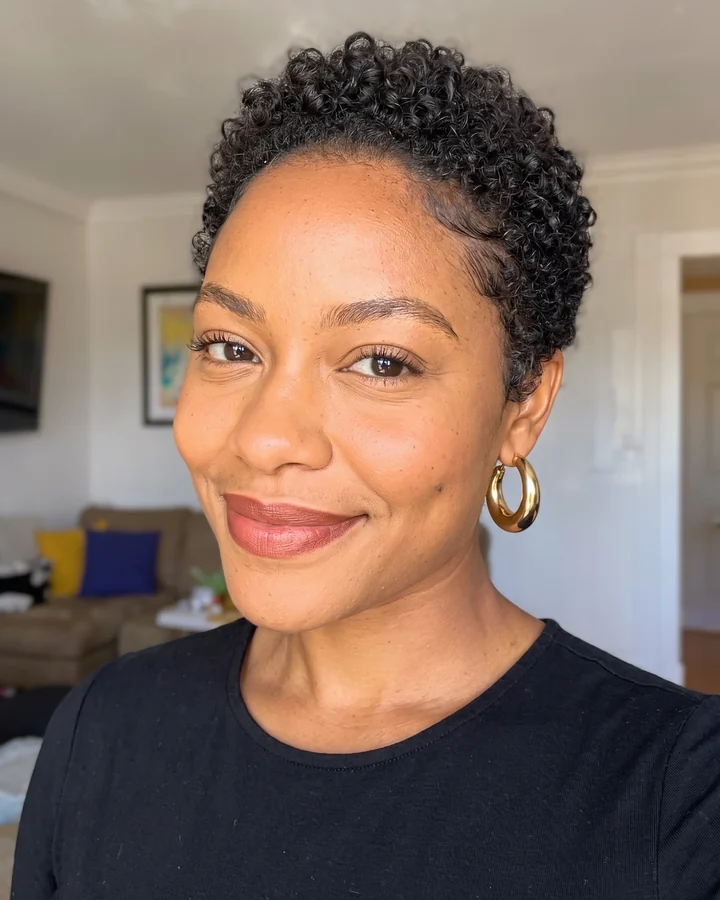
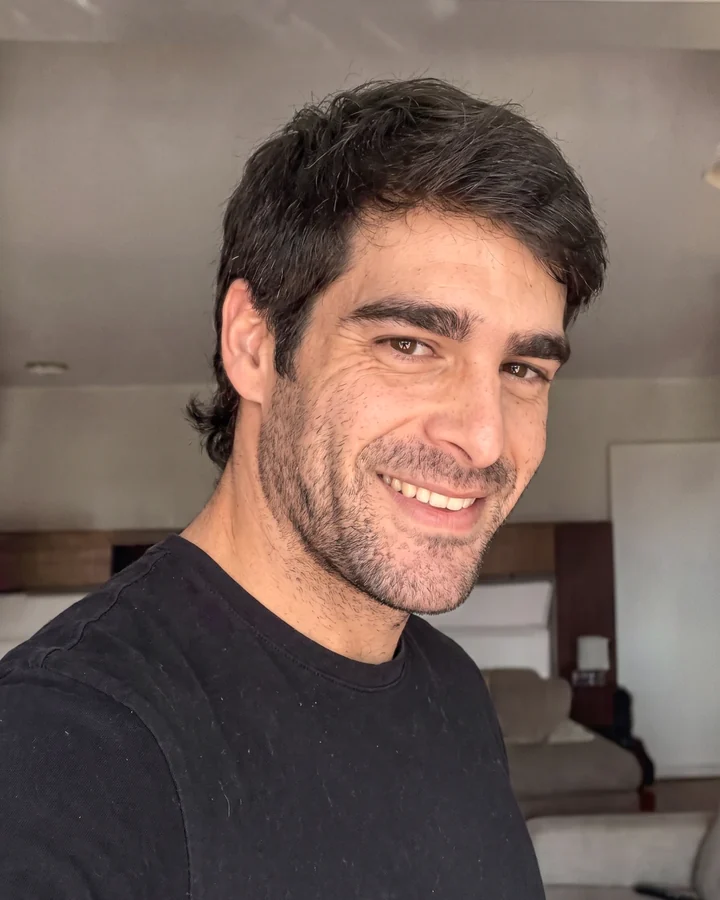
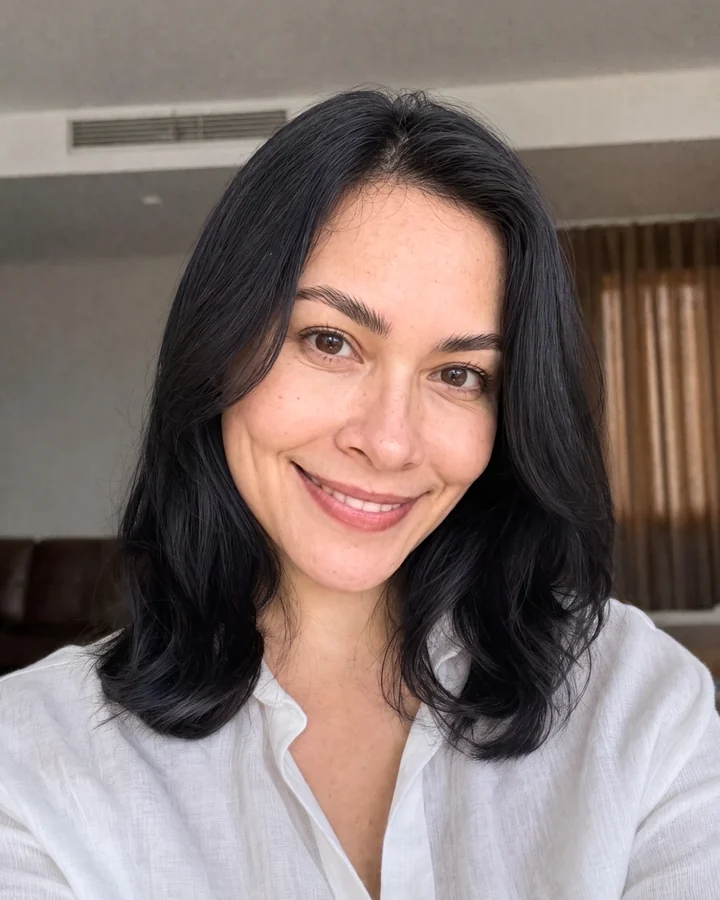
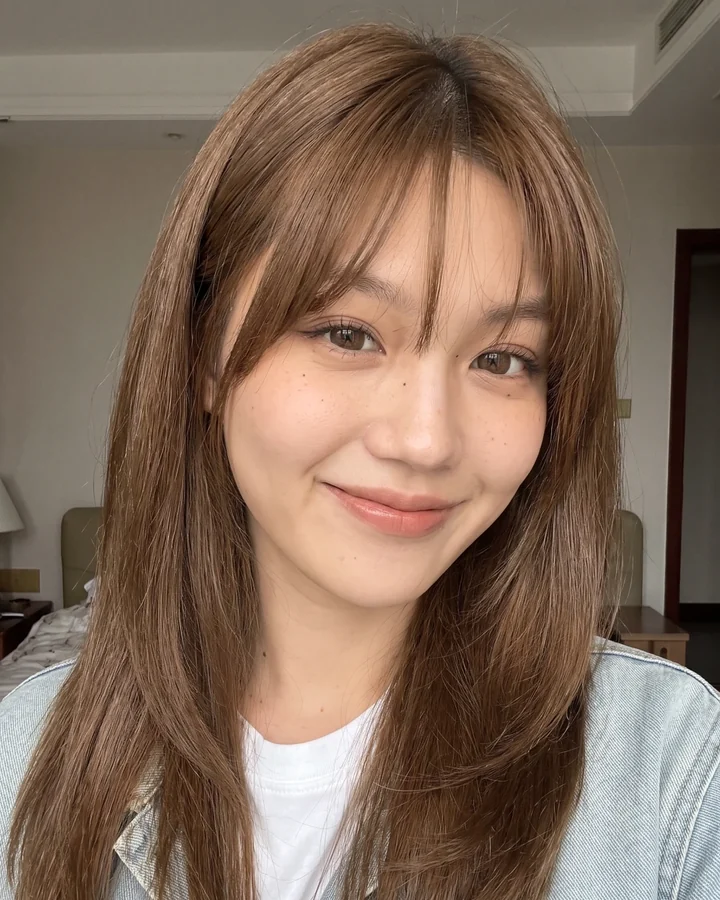
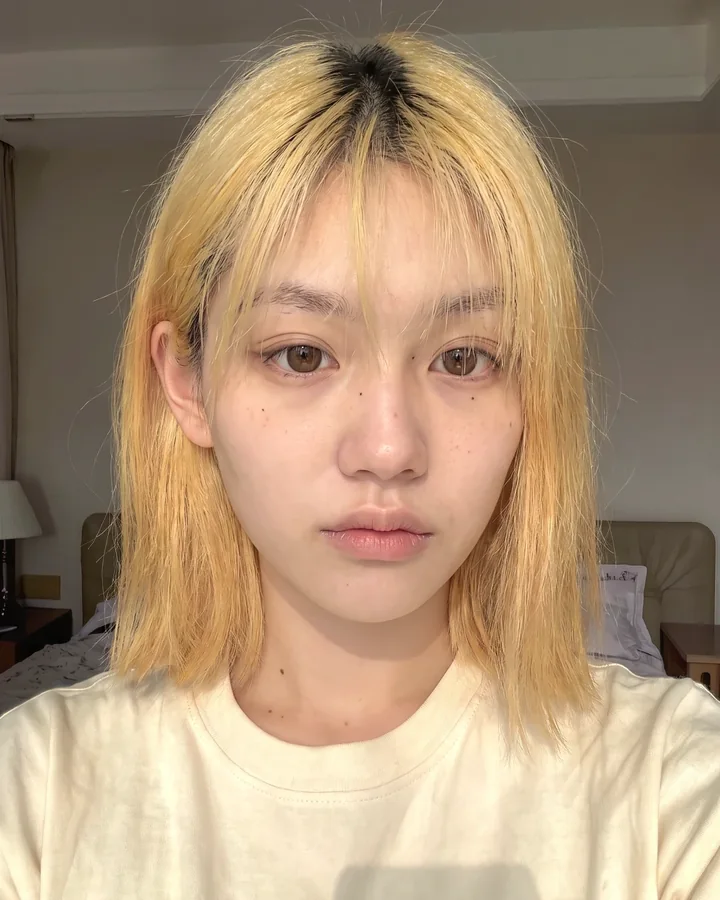
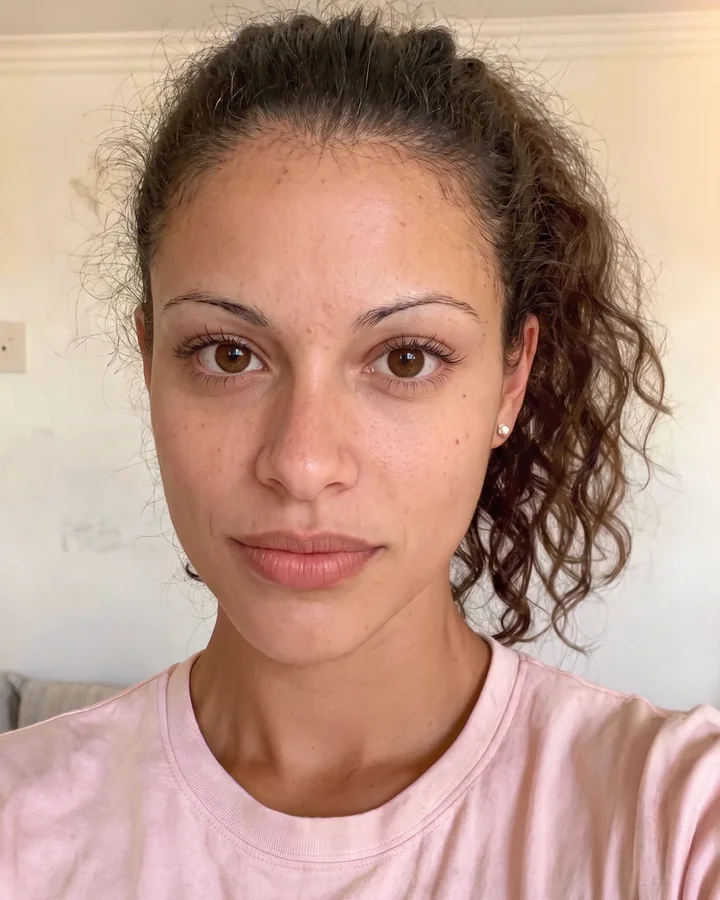
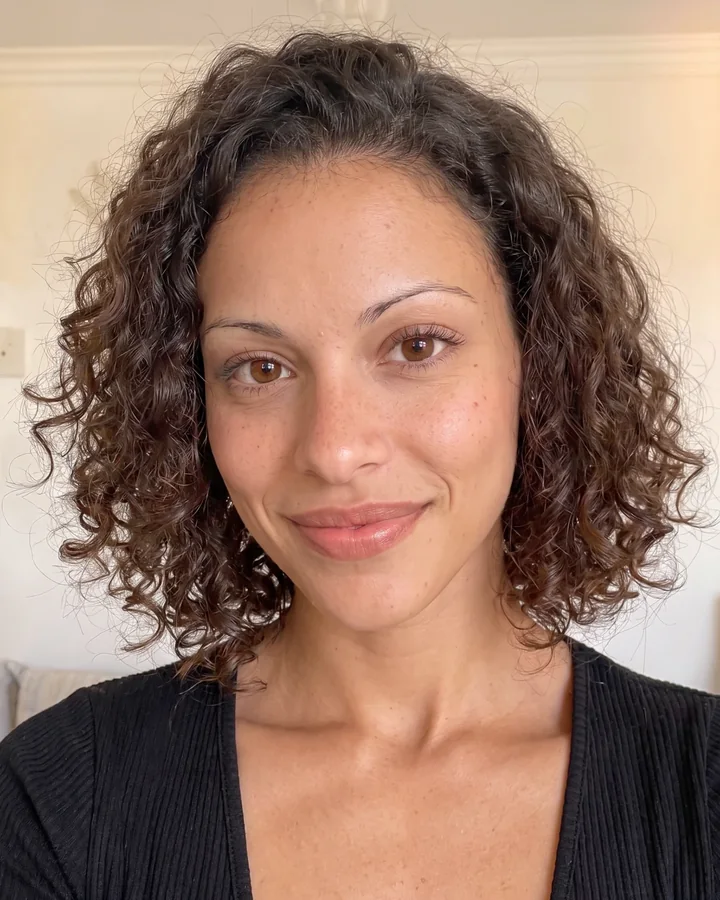
Every point of your face mapped from one selfie, plus a side photo for your profile.
169 tests, region by region
Twelve regions of your face measured, from brows to jawline, plus the age your face reads as.
A natural glow-up on your own face
Hair, brows and skin changed on your photo. Your bone structure stays as it is.
Hairstyles on your own face
The cuts that suit your face shape, side by side.
Brows, beard and makeup
Brow shape, beard length and makeup picked for your features.
A 90-day routine
Hair, skin and grooming steps to follow for 90 days, made for your face.
$29
Basic Readout
Up to 10 front-view tests
Your facial balance breakdown, feature by feature
$59 Recommended
Complete Clinical Dossier
Front and side: all 169 tests
Glow-up and up to 3 hairstyles on your own face
90-day routine and your facial age
$119
Master Suite, the surgery pack
Surgical simulation with a millimetre change map
Surgeon-ready PDF and up to 10 hairstyles
4 re-scans over a year
One payment, no subscription. Every report is checked by our team and ready within 24 hours.
Questions
How is the 1 to 10 attractiveness rating calibrated?
5.0 is an average unstyled selfie, 6.5 to 7.5 is above average, and 8+ is rare harmony. We also show your styled potential (up to 9.2).
How does the phone QR code upload work?
On a computer, click Phone QR and scan the code with your phone camera. Take a selfie or pick a photo, and it appears on your computer screen.
Why do two photos of the same person get different ratings?
Head tilt, close-camera warp, squinting and shadows change how your features read. Shoot level from 1.5 m (5 ft) in even front light.
Does CEVO compare everyone with one golden ratio?
No. You are compared with published adult averages for men or women.
How the test measures your face
How the test measures your faceThe four ratios, the averages we grade against, what a close selfie does to them, and the studies behind them.
We measure four ratios from 13 points: the middle third of the face, cheekbone width against brow-to-lip height (FWHR), eye tilt, and jaw width against cheekbone width. Each proportion is graded strictly out of 10 against adult averages for your sex, and the overall rating weights your weakest unstyled feature most heavily while calculating how much non-surgical styling can lift it. Below: where your face width sits next to other adults, why random quizzes disagree, the averages, and our sources.
Where your face width sits next to other adults
This photo
This photo
Typical range: mean ± 1 SD (16th–84th percentile)
Why "1–10" online tests can give the same face two different ratings
Most 1-to-10 tests read a flat photo without knowing how close the camera was, so two photos taken minutes apart can get different numbers, for three reasons:
Face width, which a close phone distorts
The close selfie warp (30 cm vs. 1.5 m)
Held at arm's length, a phone is much closer to your nose than to the sides of your face: the nose looks about 4% wider and the jaw about 3% narrower at 30 cm than at 1.5 m (CEVO's selfie study; measured against the cheekbones, Ward et al. 2018 put the nose at about 30%). A quiz that grades the raw pixels reads that as a different face. This free test can't tell how close the camera was either, so take your photo from about 1.5 m. The free CEVO scan checks the distance and asks for a retake if you were too close.
Jaw width, which reads narrower up close
The jaw-hiding foreshortening effect
Your jaw corners sit further back from the camera than your cheekbones, so a close phone selfie makes the jaw look narrower next to the cheekbones than it is.
The three parts, which shift when the chin tilts
Head tilt and one-size-fits-all "golden ratio" masks
Raising or lowering your chin changes your measured facial thirds and your eye tilt. Many quizzes also grade every face against a single 1.618 mask instead of averages for men and women.
What gets checked
CEVO
Face points mapped
478 from one selfie
Camera distance
Reads your iris size to tell how close the camera was, and asks for a retake if the photo was taken too close
Tests
Up to 10 front-view tests, or all 169 tests across 12 regions
Compared with
Averages for men and women from published studies
Styling plan
Free: your face shape, strengths and first tips. With a report: a natural glow-up and hairstyles on your own face, with your bone structure kept as it is
Wait
Ready within 24 hours after your photos are accepted
What a real facial proportion scan measures (and what is actually average)
Studies of why a face looks balanced (Pallett et al. 2010; Little et al. 2011) find two things. Attractiveness comes from how your features fit together as ratios, not from one extreme feature, and most adults sit close to the average. These are the four measurements and their averages. The edge points the AI finds on the cheekbones and jaw sit a little inside the bone points these studies measured, so this test counts a wider band as average for face width and jaw:
Facial proportion
What it means
Men average (mean ± SD)
Women average (mean ± SD)
Typical range (16th–84th %ile)
What a close selfie does
Vertical facial thirds
Splits your face height into 3 vertical sections: forehead (hairline to brows), midface (brows to the base of the nose) and lower face (base of the nose to the chin).
33.1% ± 2.4% (middle)
33.6% ± 2.2% (middle)
30.7%–35.5% (M) · 31.4%–35.8% (W)
Shifts when the chin tilts up or down
Cheekbone-to-height ratio (FWHR)
How wide your outer cheekbones are, divided by the height from your eyebrows to your upper lip. Does not include forehead or chin.
1.84 ± 0.13
1.79 ± 0.12
1.71–1.97 (M) · 1.67–1.91 (W)
Reads lower in close selfies
Eye tilt angle (canthal tilt)
The upward or downward angle from your inner eye corner to your outer eye corner, measured with your pupils level.
+3.1° ± 1.9°
+4.2° ± 2.0°
+1.2° to +5.0° (M) · +2.2° to +6.2° (W)
Reads less tilted if the camera is low
Jaw-to-cheekbone taper
How wide your jaw corners are compared to your cheekbones. Determines whether your lower face looks V-tapered, oval, or square.
82.5% ± 4.8% (3D scans)
76.2% ± 4.5% (3D scans)
77.7%–87.3% (M) · 71.7%–80.7% (W)
Reads narrower in close selfies
How to turn your proportions into your top 3 styling priorities
A number on its own doesn't tell you what to do next. These three everyday changes matter most:
Frame your face width and forehead
If your face is wide for its height, some textured height on top with tapered sides makes it look longer. If your face is long and narrow, or the forehead is tall, keep fuller scissor-cut sides and let a curtain fringe or French crop fall across the forehead. See our full FWHR Haircut Guide.
Brows and glasses around the eyes
The bone around your eyes is fixed, but the lines just above them change how tilted your eyes look. Tidying the hairs under a low outer brow tail while keeping the inner brow full makes the eyes look a little more upturned. If the middle of your face is longer than typical in the table above, glasses with a straight, solid top bar break up its length. The canthal tilt calculator shows your own eye angle.
Stubble and a moustache
If your jaw is narrow next to your cheekbones or the lower part of your face is short, squared stubble at the jaw corners and chin makes the jaw read a little wider. If the space between your nose and upper lip is long, a moustache that just covers the top edge of the lip makes it look shorter.
Sources
Ward B, Ward M, Fried O, Paskhover B (2018).Nasal Distortion in Short-Distance Photographs: The Selfie Effect. JAMA Facial Plastic Surgery, 20(4), 333–335.
Farkas LG, Katic MJ, Forrest CR, et al. (2005).International anthropometric study of facial morphology in various ethnic groups/races. Journal of Craniofacial Surgery, 16(4), 615–646.
Little AC, Jones BC, DeBruine LM (2011).Facial attractiveness: evolutionary based research. Philosophical Transactions of the Royal Society B: Biological Sciences, 366(1571), 1638–1659.
Kramer RSS (2017).Sexual dimorphism of facial width-to-height ratio in human skulls and faces: A meta-analytical approach. Evolution and Human Behavior, 38(3), 414–420.