PSL scale calculator. See how common your proportions are.
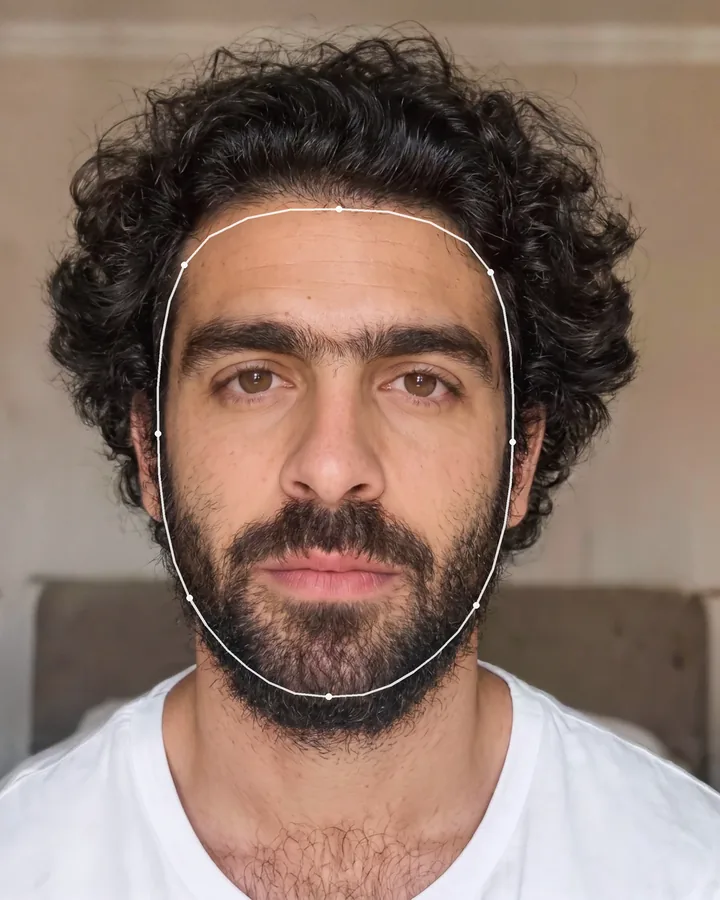
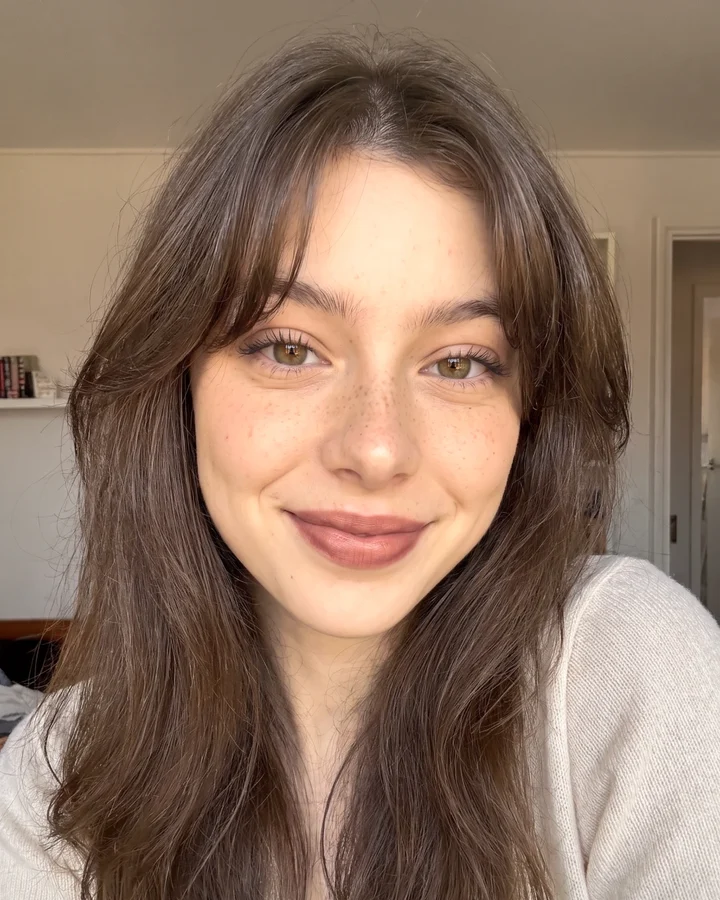
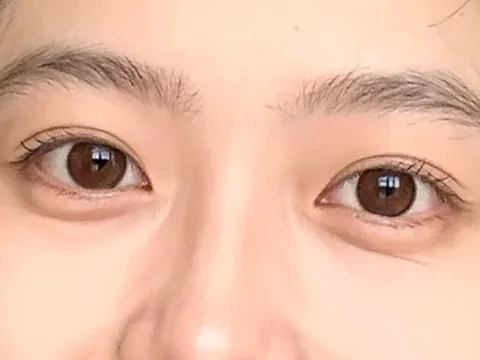
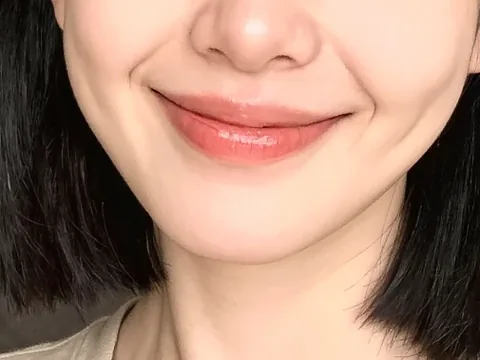
Pick a face or add your photo to see how your eye tilt, face width and jaw compare with real adults. The dots find your face; drag any that are off.
Free, and your photo never leaves this device. Glasses off, hair off your cheeks, phone at eye level.
Drag any dot to fine-tune it.
Dot 1 of 10
Compare with
This face's three measures
Close to typical
All three sit where most men measure.
No PSL number here. Forum scales rank you against fashion models. This shows how common each part of your face is.
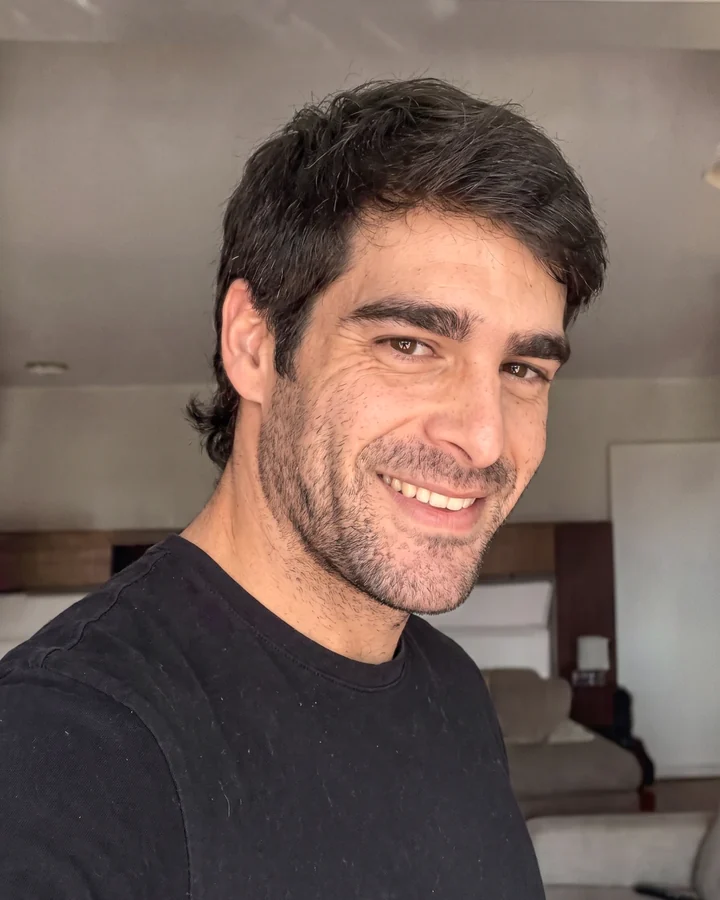
Eye tiltouter corners against inner onesTypical for menThis face: +4°. Most men: +1° to +5°.
Face widthedge to edge at the cheekbones, against eye-to-lip heightTypical for menThis face: 2.0 times as wide as its eye-to-lip height. Most men: 1.8 to 2.1 times.
Jaw widthjaw edge at mouth level against face widthTypical for menThis face: 80% of face width. Most men: 74% to 83%.
Forums call +6° eye tilt and a jaw as wide as the face the minimum. +6° already sits at or past the top of the usual range, and almost no jaw is that wide.
What suits this
Nothing stands out, so most cuts and beard lengths suit you.
See your face shape and what suits it
Free: your face shape, your strengths and first tips, plus how many more tips are waiting.
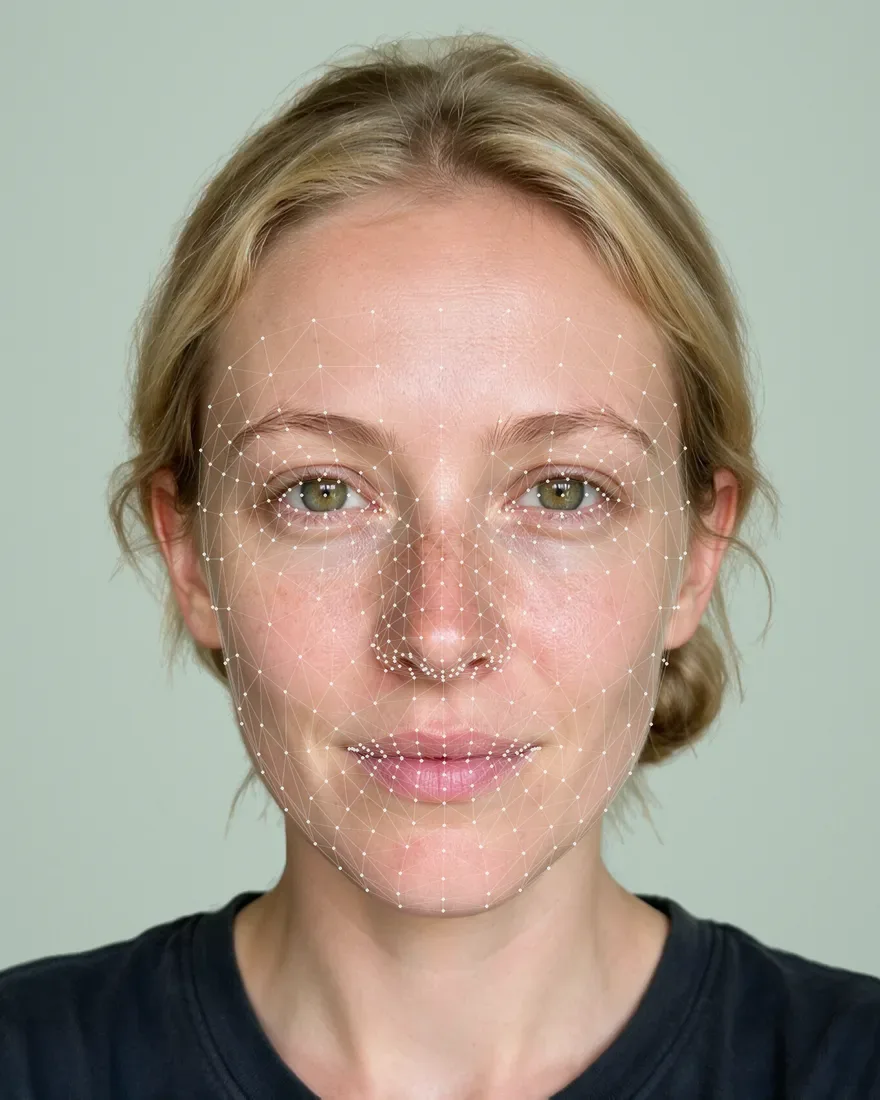
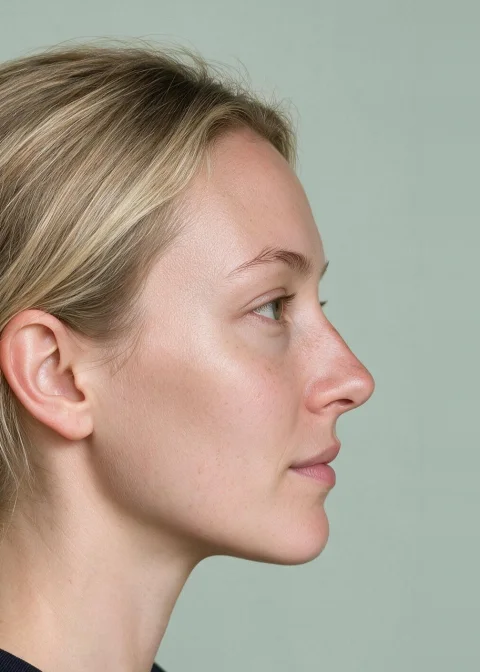
Every point of your face mapped from one selfie, plus a side photo for your profile.
169 tests, region by region
Twelve regions of your face measured, from brows to jawline, plus the age your face reads as.
A natural glow-up on your own face
Hair, brows and skin changed on your photo. Your bone structure stays as it is.
Hairstyles on your own face
The cuts that suit your face shape, side by side.
Brows, beard and makeup
Brow shape, beard length and makeup picked for your features.
A 90-day routine
Hair, skin and grooming steps to follow for 90 days, made for your face.
$29
Basic Readout
Up to 10 front-view tests
Your facial balance breakdown, feature by feature
$59 Recommended
Complete Clinical Dossier
Front and side: all 169 tests
Glow-up and up to 3 hairstyles on your own face
90-day routine and your facial age
$119
Master Suite, the surgery pack
Surgical simulation with a millimetre change map
Surgeon-ready PDF and up to 10 hairstyles
4 re-scans over a year
One payment, no subscription. Every report is checked by our team and ready within 24 hours.
Questions
What is the PSL scale?
A rating scale from looks forums. Its top was set by a few fashion models, so ordinary faces land low on it.
Why doesn't this calculator give me a PSL number?
Forum scales rank you against fashion models, and the number changes with every photo. Here you see how common each of three measurements is among men or women.
Why do my cheekbones and jaw look narrower in a selfie?
A phone at arm's length sits much closer to your nose than to your jaw, so the sides of your face shrink. From 1.5 m (5 ft) you see the full width.
How is CEVO's scan different?
From one front photo, the free scan tells you your face shape, your strengths and first styling tips, plus how many more tips are waiting. A photo taken too close is retaken.
How the calculator measures your face
How the calculator measures your faceHow forum numbers line up with the real population, the averages we compare you with, what a close selfie does, and the studies behind them.
We measure eye tilt (levelled to the line between your inner eye corners), face width edge to edge at the cheekbones over the height from the top of the eyelids to the upper lip (FWHR), and jaw width against that face width from 10 points; the jaw angle needs a side photo, so this calculator leaves it out. Below: where your face width sits next to other adults, how forum numbers line up with the real population, the averages, and our sources.
Where your face width sits next to other adults
2.0This face
Most men: 1.8 to 2.1 · the averages raised by 0.1 for front photos; typical range: mean ± 1 SD (16th–84th percentile)
Where the PSL scale came from
Where did the letters "PSL" come from? Users on looksmaxxing forums made up their own rating shorthand and set its top tiers by a few fashion models photographed under studio lighting with long telephoto lenses. Stretching a tiny slice of people across the upper half of the scale crushed everyone else downward. This calculator skips the scale and says how common each measurement is among ordinary adults.
What real population averages look like (and why close selfies skew them)
Forum threads frequently claim that you need a +6° to +8° "hunter eye" tilt, an FWHR of 2.0 or higher, and a 110°–115° jaw angle. When you check actual medical anthropometry datasets (Farkas et al. 2005; Kramer 2017; Mommaerts 2016), a +8° tilt and a 110°–115° jaw angle sit outside where most adults measure, while an FWHR of 2.0 is ordinary (mid-range for men, the top of the range for women) and a +6° tilt is the top of the usual range, not a minimum. Here are the averages:
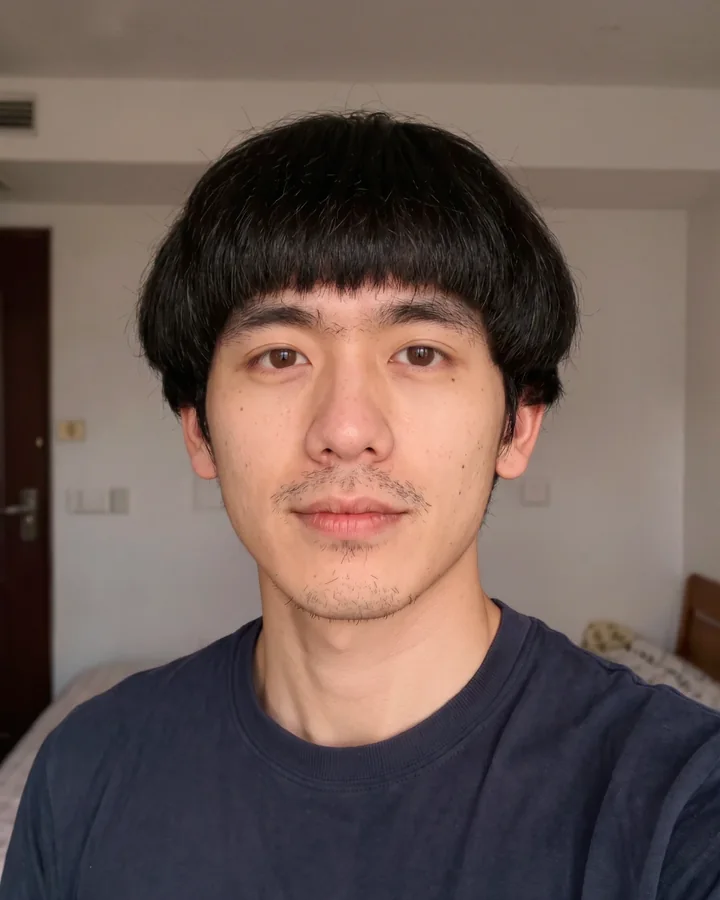
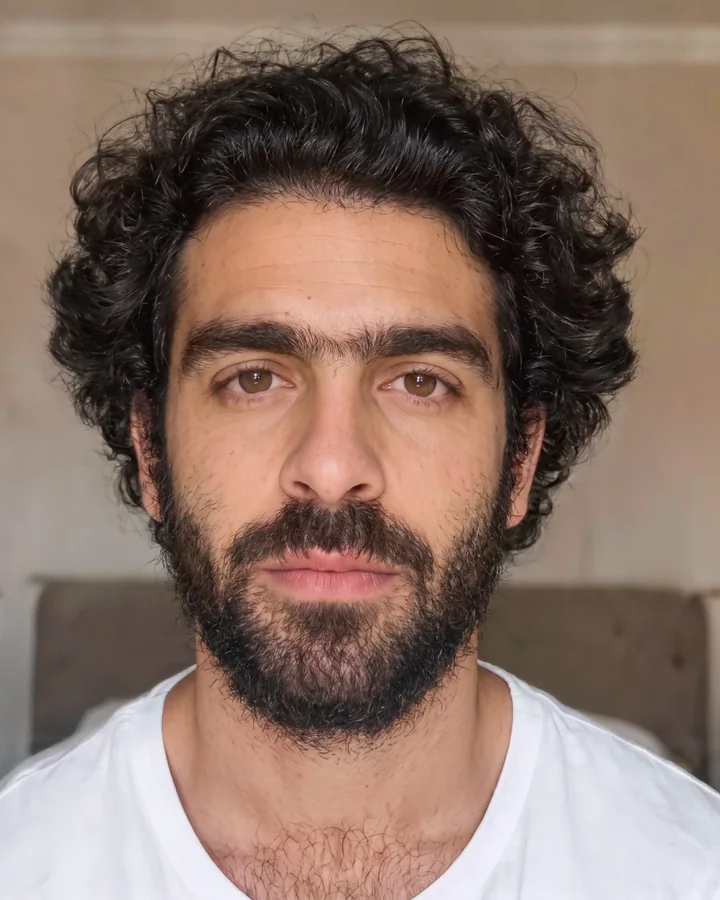
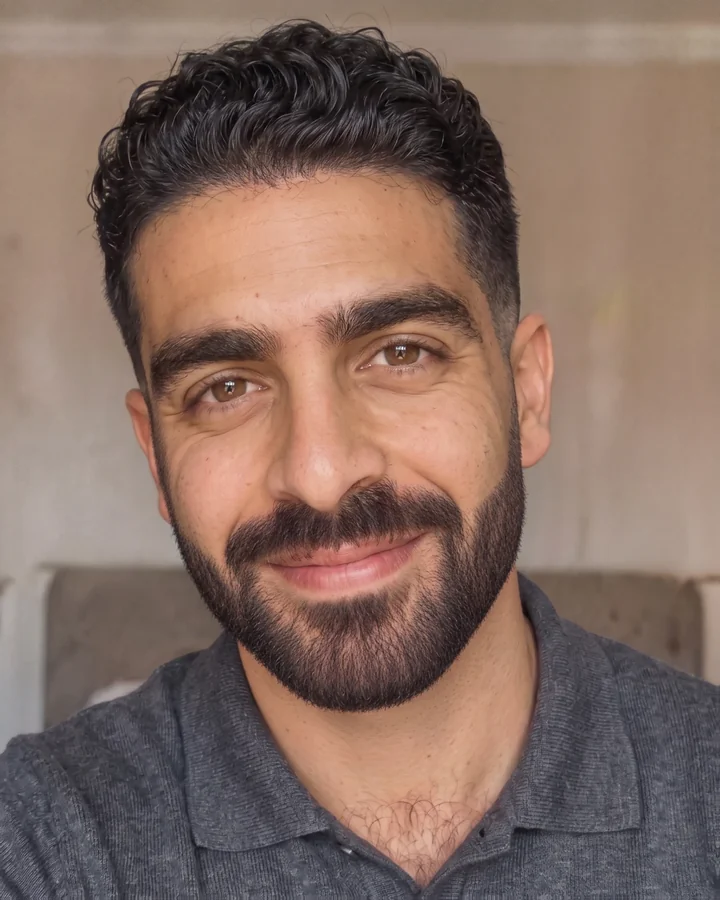
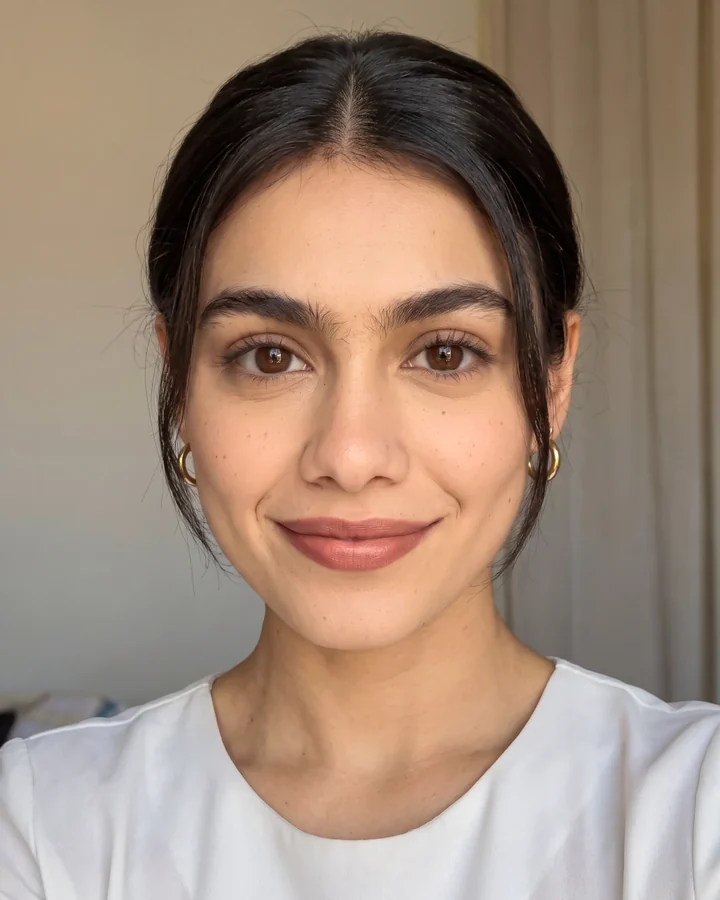
Eye tilt +4° · Face width (FWHR) 2.0 · Jaw width 80% of face width
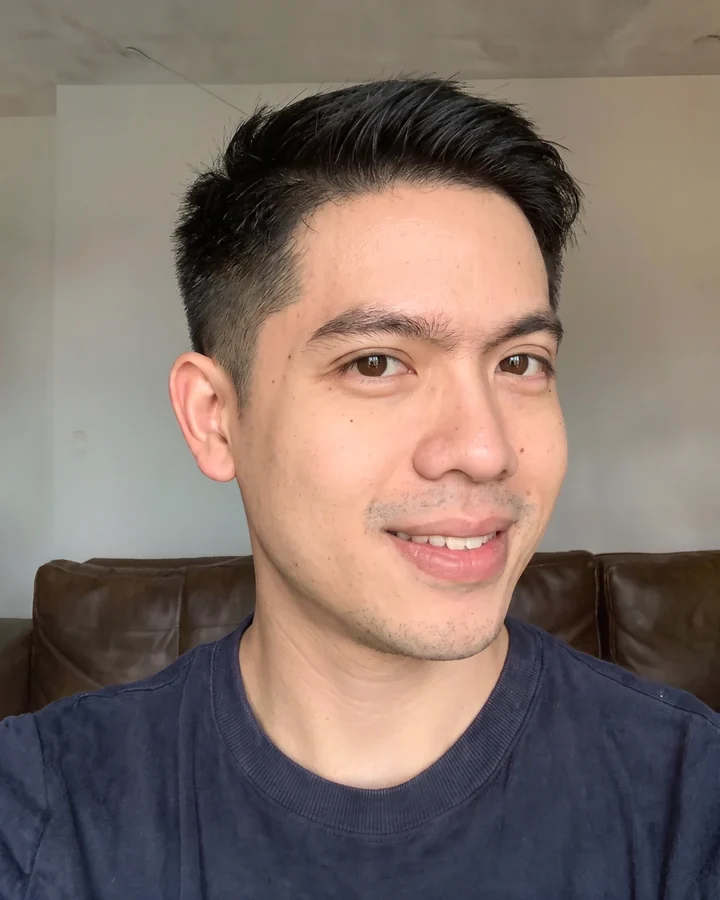
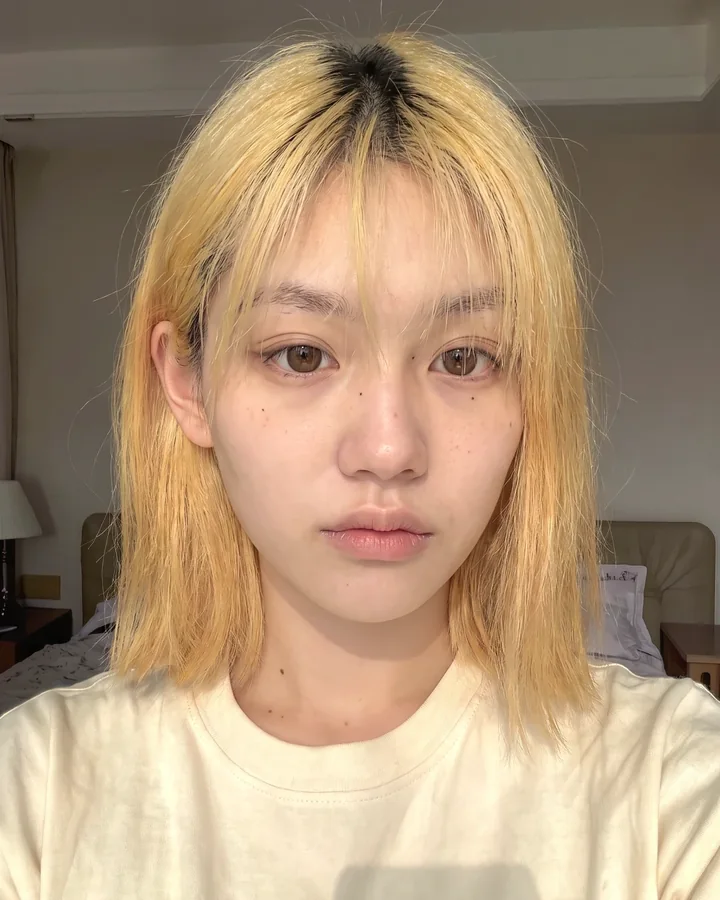
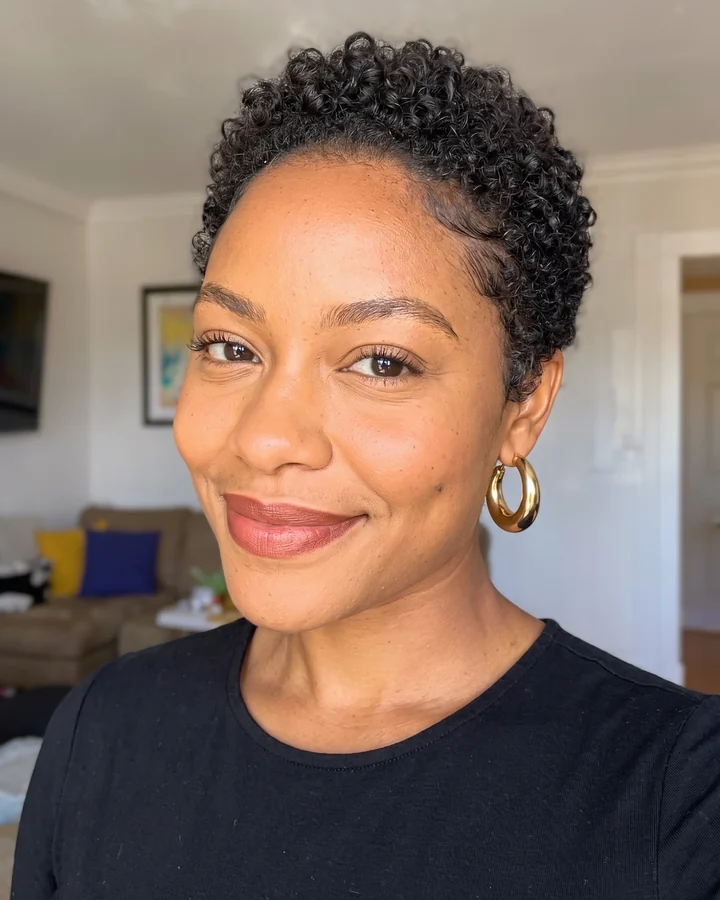
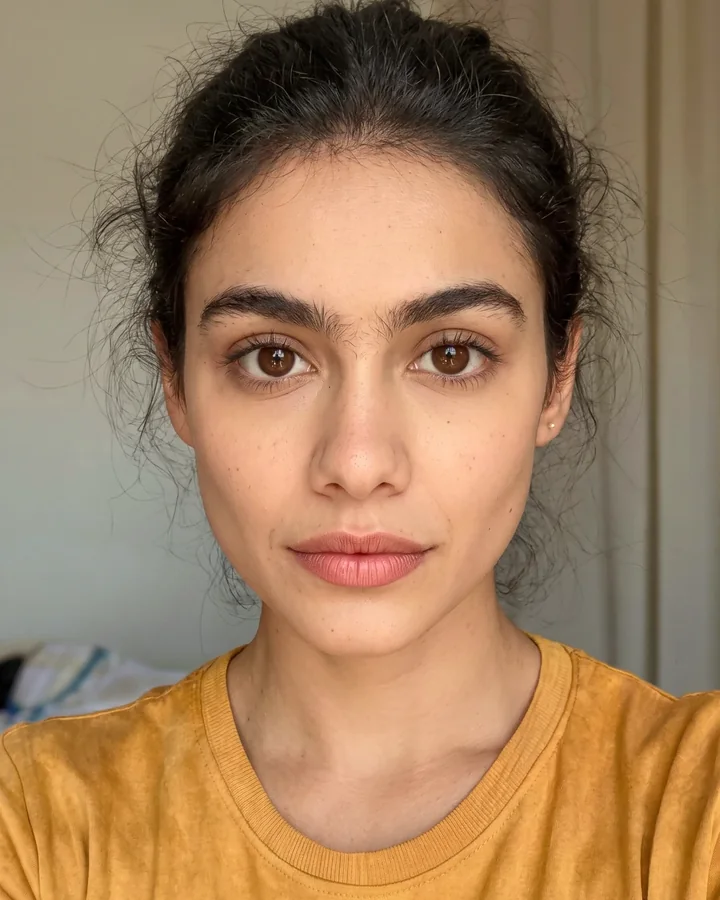
Eye tilt +8° · Face width (FWHR) 2.0 · Jaw width 77% of face width
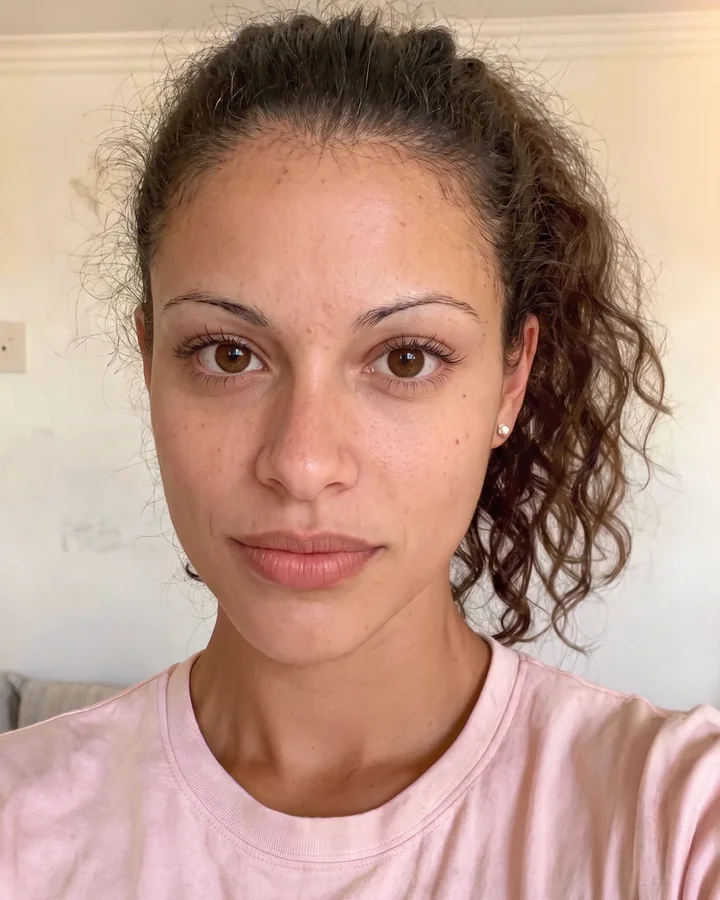
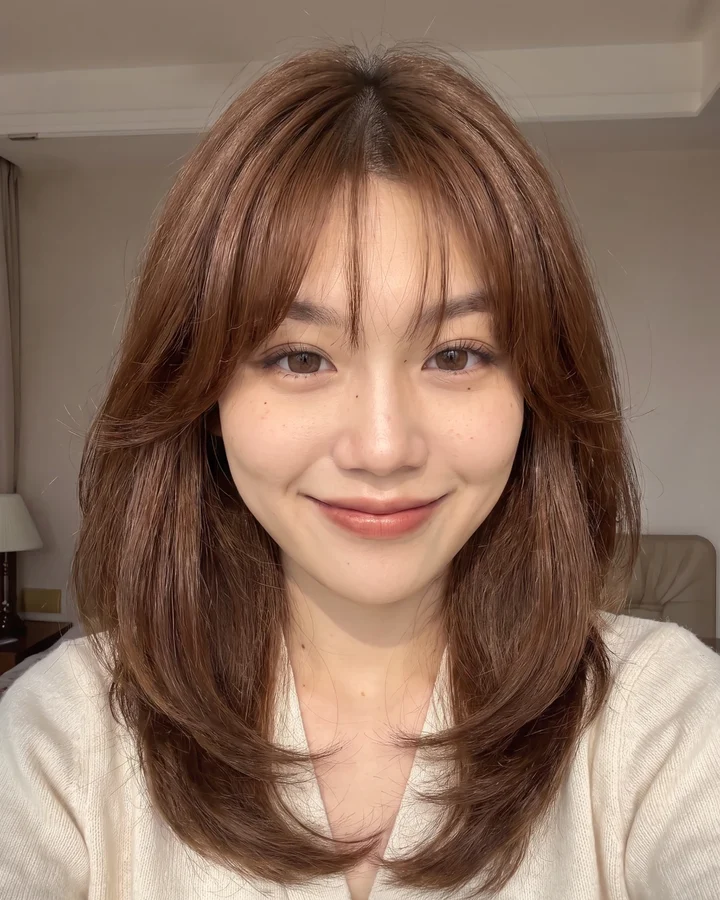
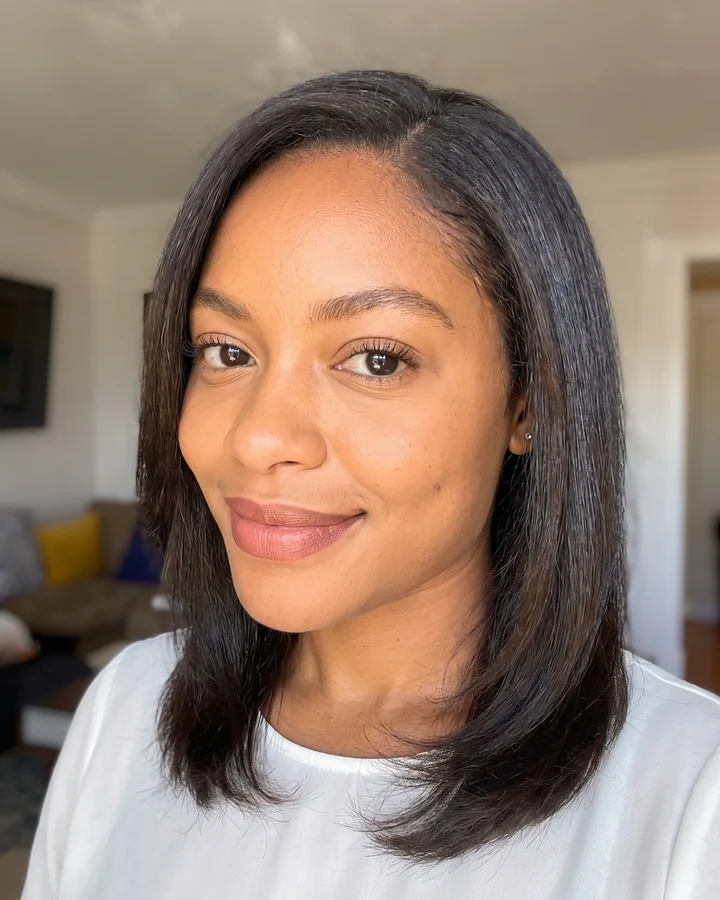
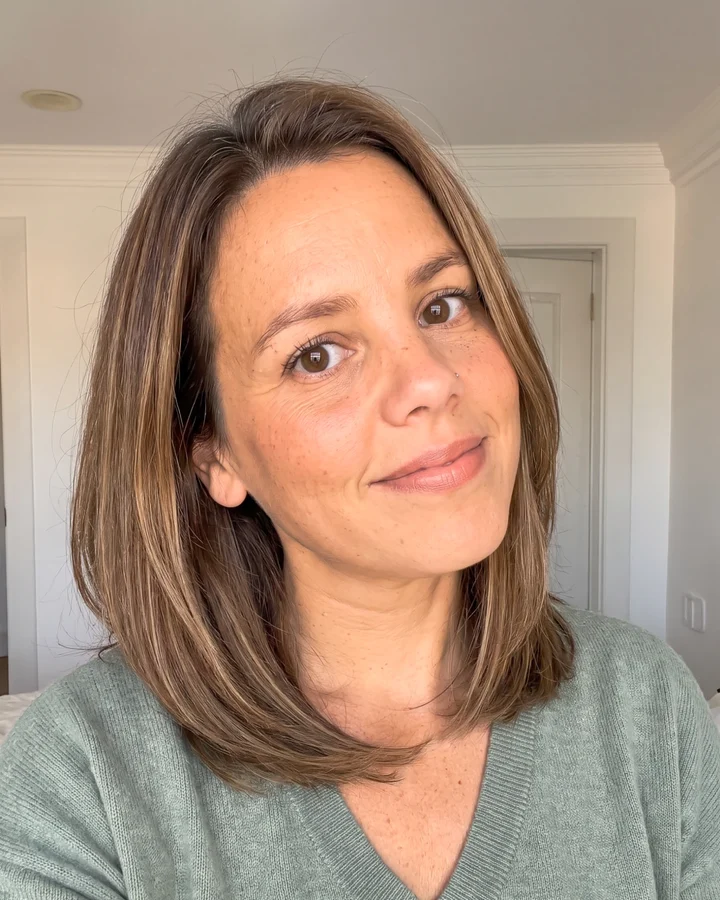
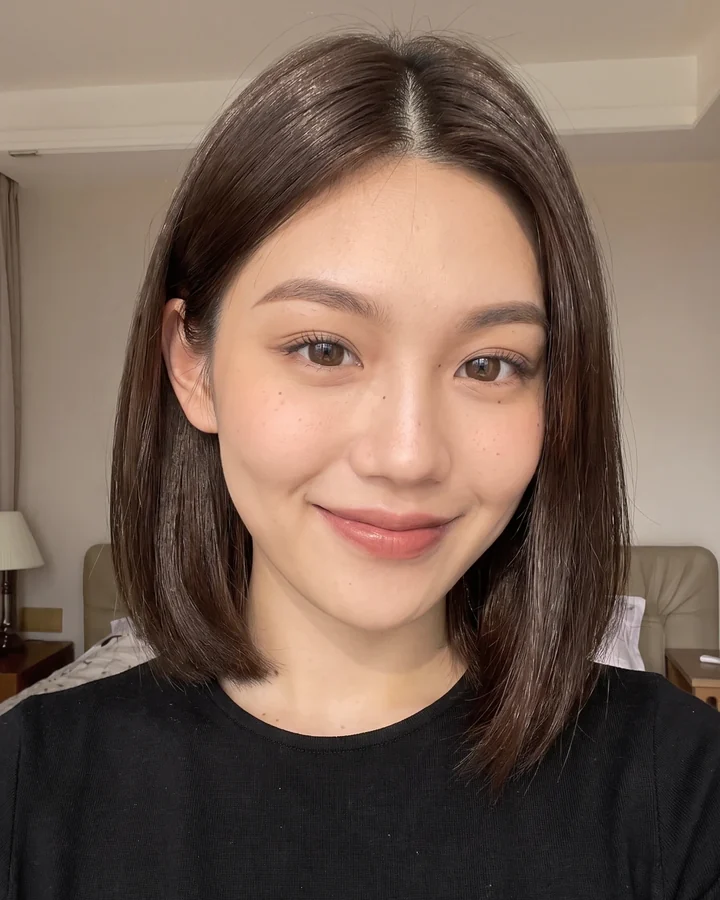
Eye tilt +8° · Face width (FWHR) 1.9 · Jaw width 76% of face width
Facial measurement
Exaggerated forum claim
Real male norm (mean ± SD)
Real female norm (mean ± SD)
Typical range (16th–84th percentile)
What a close selfie does
Canthal Tilt (Eye Angle)Inner to outer eye corner
"You need +6° to +8° tilt"
+3.1° ± 1.9°
+4.2° ± 2.0°
+1.2°–+5.0° (M) · +2.2°–+6.2° (W); the calculator rounds to whole degrees: +1° to +5° (M), +2° to +6° (W)
Holding the phone below eye level makes the eyes look less tilted.
Face width (FWHR)Face width edge to edge at the cheekbones ÷ height from the top of the eyelids to the upper lip. Measured this way, front photos read about 0.1 wider than these averages, so the calculator adds 0.1 to them before comparing (men 1.94, women 1.89).
"Anything under 2.0 is narrow"
1.84 ± 0.13
1.79 ± 0.12
1.71–1.97 (M) · 1.67–1.91 (W)
A close selfie shrinks the outer cheekbone width, so FWHR reads lower.
Jaw angleEar to jaw corner to chin
"Must be 110°–115° square"
122.4° ± 5.2°
125.8° ± 5.4°
117.2°–127.6° (M) · 120.4°–131.2° (W)
Turning the head or bending the neck changes a jaw angle read from a photo.
Jaw widthJaw width ÷ face width. 3D-scan averages, taken at the jaw corners. On a front photo the calculator reads the jaw edge level with the mouth, which comes out a little narrower, so it compares you with front-photo averages: men 78.5% ± 4.8% (typical 73.7%–83.3%), women 74.2% ± 4.5% (typical 69.7%–78.7%).
"Jaw must equal cheekbone width (95%+)"
82.5% ± 4.8%
76.2% ± 4.5%
77.7%–87.3% (M) · 71.7%–80.7% (W)
The jaw corners sit further back than the cheekbones, so a close selfie makes the jaw look narrower.
Why comparing your phone selfie with a long-lens model photo isn't fair
The biggest mistake people make on lookism or rating forums is taking an arm's-length smartphone selfie in bathroom overhead lighting and comparing it side-by-side with a professional fashion photograph shot from much further away with a long telephoto lens (Třebický et al. 2016; Ward et al. 2018). Here is how the camera and everyday styling change what you see, without touching bone:
A 30 cm selfie vs. a 1.5 m portrait
At arm's length your nose tip is much closer to the lens than your cheekbones and jaw corners, so the nose looks about 4% wider and the jaw about 3% narrower at 30 cm than at 1.5 m (CEVO's selfie study; measured against the cheekbones, Ward et al. 2018 put the nose at about 30%), and the jaw corners hide behind the cheeks. Stepping back to 1.5 m shows your true jaw and cheekbone width. CEVO's scan reads your iris size to tell how close the camera was, and asks for a retake if the photo was taken too close.
Height on top or fuller sides
Instead of chasing a forum number, use your face width (FWHR) to pick your haircut. If the calculator says your face is wider than most, add textured height on top with a clean taper on the sides. If it is narrower than most, keep scissor-cut fullness at the sides and a forehead fringe rather than a high skin fade.
Stubble at a narrow jaw
If your jaw is narrow next to your cheekbones, keeping squared stubble at the jaw corners and trimming a crisp line just above the neck crease makes the lower face read wider.
Why losing face fat shows the bone you already have
Most people whose cheekbones look narrow on a selfie have normal bone width under soft fullness in the lower cheeks. Losing body fat thins that soft tissue and the padding under the jaw while the bone stays the same width, so the cheekbones and jaw corners stand out more.
Sources
Farkas LG, Katic MJ, Forrest CR, et al. (2005).International anthropometric study of facial morphology in various ethnic groups/races. Journal of Craniofacial Surgery, 16(4), 615–646.
Kramer RSS (2017).Sexual dimorphism of facial width-to-height ratio in human skulls and faces: A meta-analytical approach. Evolution and Human Behavior, 38(3), 414–420.
Upadhyay RB, Upadhyay J, Agrawal P, Rao NN (2012).Evaluation of gonial angle in relation to age and gender on lateral cephalograms. Journal of Forensic Dental Sciences, 4(1), 29–33.
Ward B, Ward M, Fried O, Paskhover B (2018).Nasal Distortion in Short-Distance Photographs: The Selfie Effect. JAMA Facial Plastic Surgery, 20(4), 333–335.