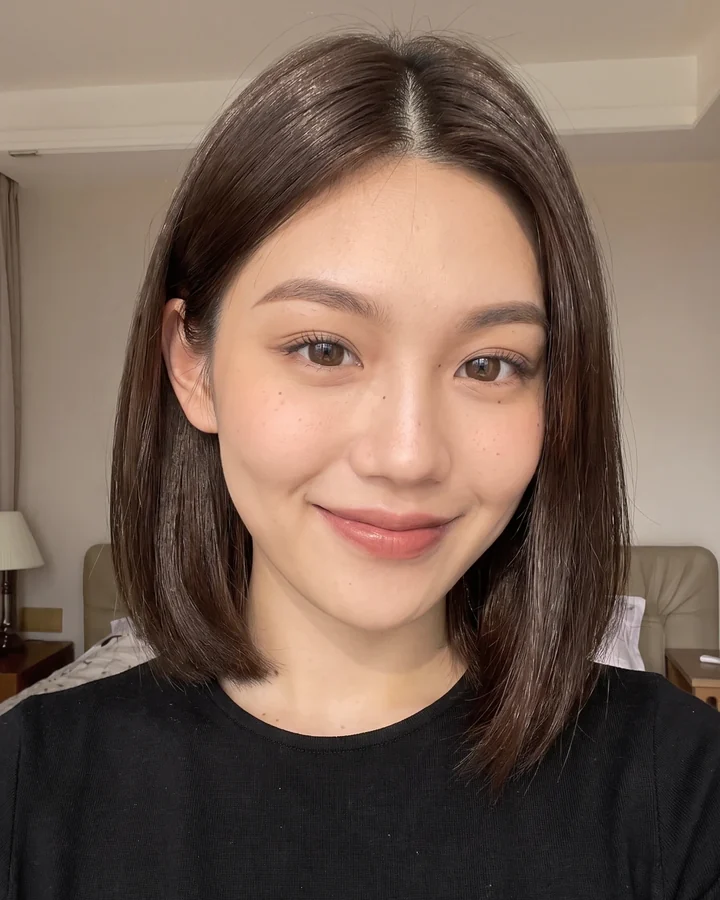
AI face analyzer. See what stands out about your face.
Add a front photo. In seconds it reads your face width, eye tilt and face proportions, in plain words.
Free, and your photo never leaves this device.
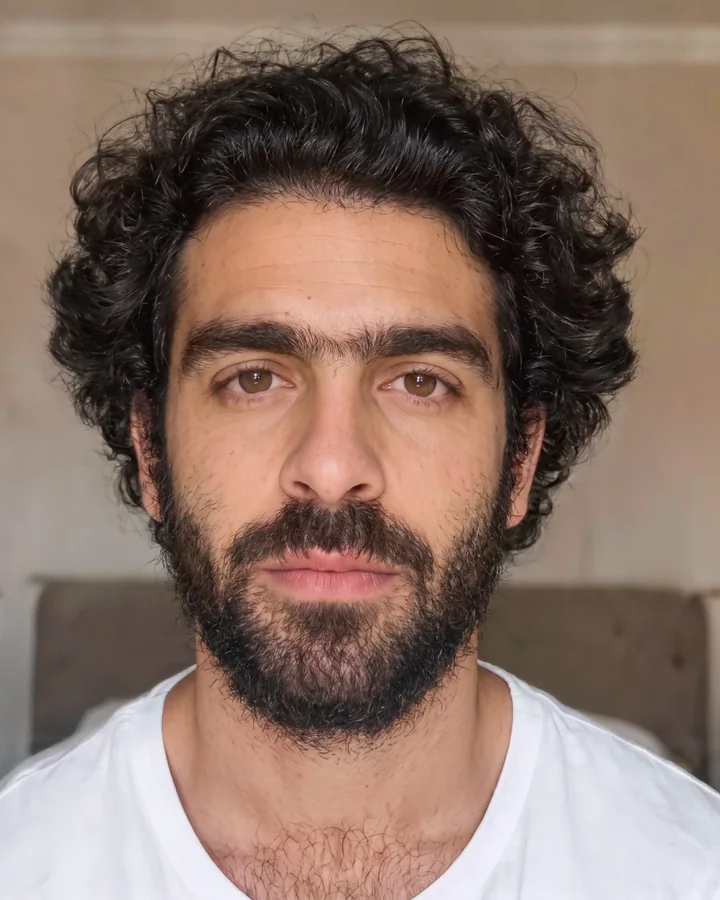
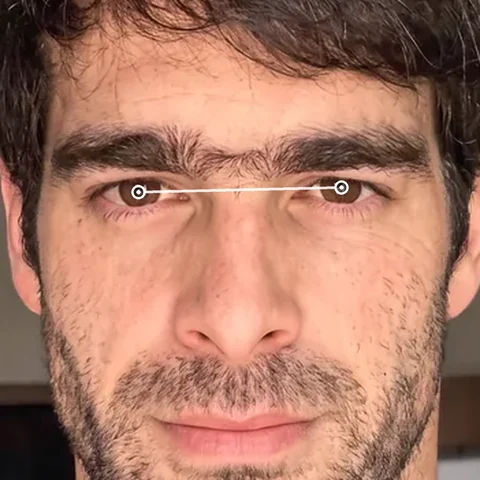
Example face. Tap a reading to see where it was measured.
This face
What stands out: the forehead is shorter than the face’s other two parts.
What do these mean for your hair and style?
One selfie gives you your face shape, strengths and first tips.
Start free scanMore face tools
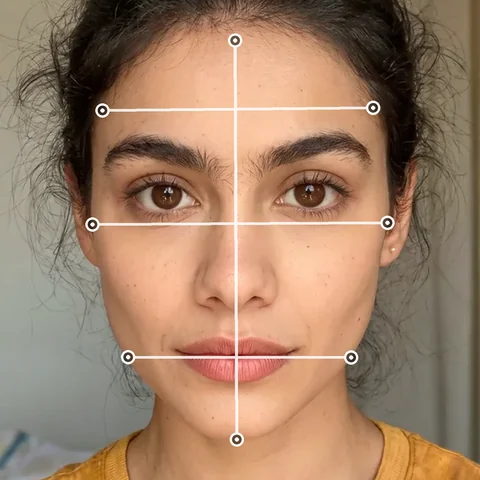
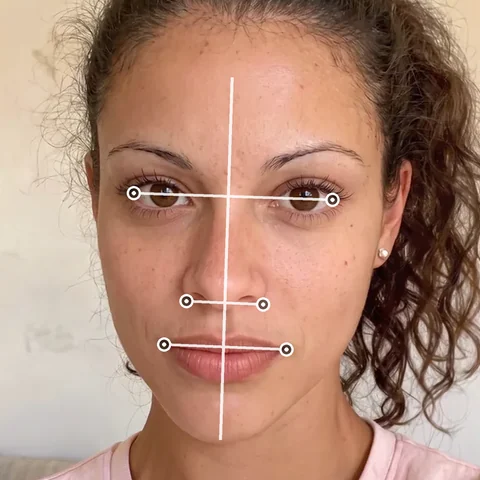
Free scan
Start free scanGetting a steady reading
- The readings describe, they don't gradeWidth and eye tilt are compared with other adults, the thirds with your own face.
- Use a front photoFace the camera straight on, in even light, with your hair off your forehead.
- Distance changes the width readingAt arm's length your face reads narrower. Prop the phone about 1.5 m away.
How face analyzers compare
From their own sites and store pages.
| Analyzer | Sign-up | What you get free | Paid | Gives a score | Photo leaves your device |
|---|---|---|---|---|---|
 CEVO Web | Google or email | Face shape, strengths, first tips, and a count of locked tips | One payment per report, no subscription | No grade on your looks. Reports add a balance breakdown | Kept privately up to 90 days, to fix problems |
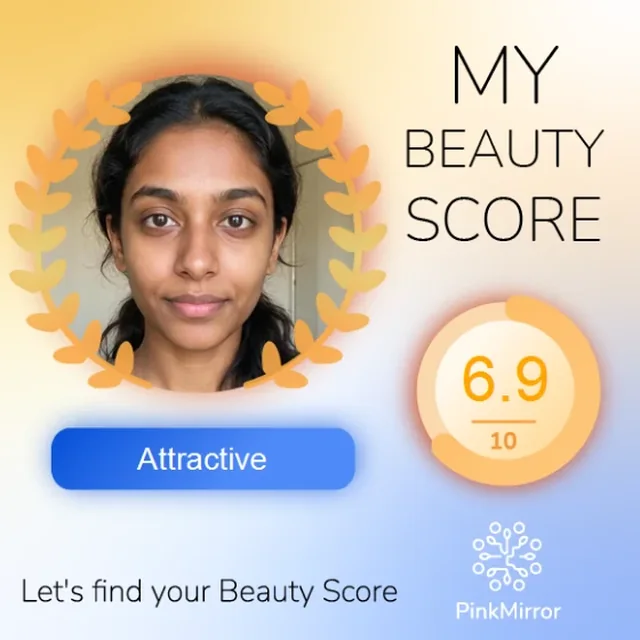
 PinkMirror Web | Not to start; to buy | 5 analyses a month, 10 with an account | Monthly subscription | Yes; gentle, or how others see you | Yes; may train its models |
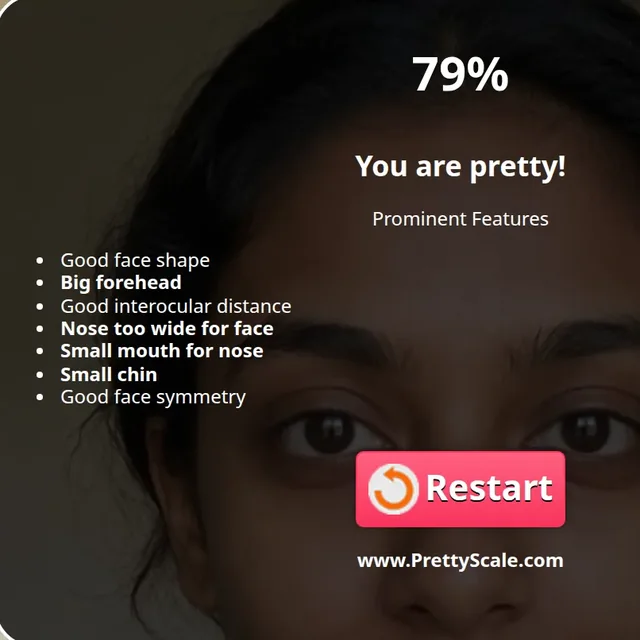
 PrettyScale Web | None | A percentage, symmetry and eye spacing, with ads | None, it's free | Yes, a percentage | No, says the site |
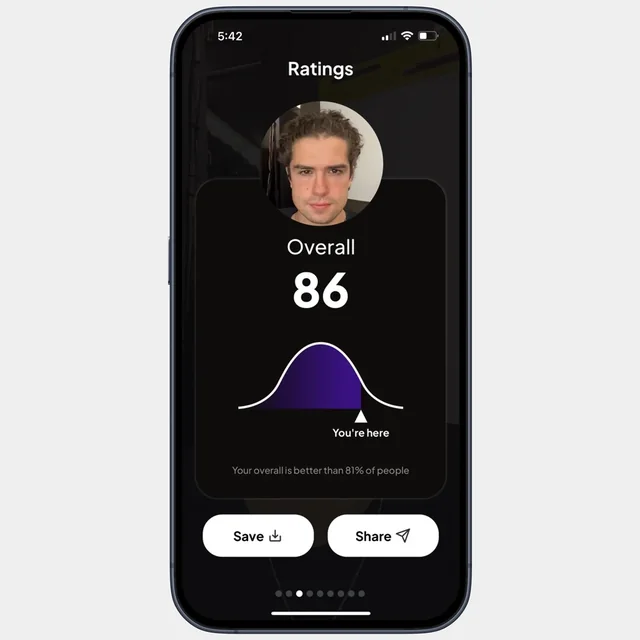
 Umax iPhone, Android | Download the app | Results need a subscription | Weekly or monthly subscription | Yes, out of 100 | Yes, App Store label |
 LooksMax AI iPhone | Download the app | Free download, paid extras | Weekly subscription and paid packs | Yes, out of 10 and 100 | Yes, kept 30 days |
 PrettyScale
 PinkMirror
 Umax
 LooksMax AI
Where the others are stronger. PrettyScale needs no account. PinkMirror allows several analyses a month. Umax has the most ratings (4.6 from 52K, US App Store).
What CEVO gives you. From one selfie.
-
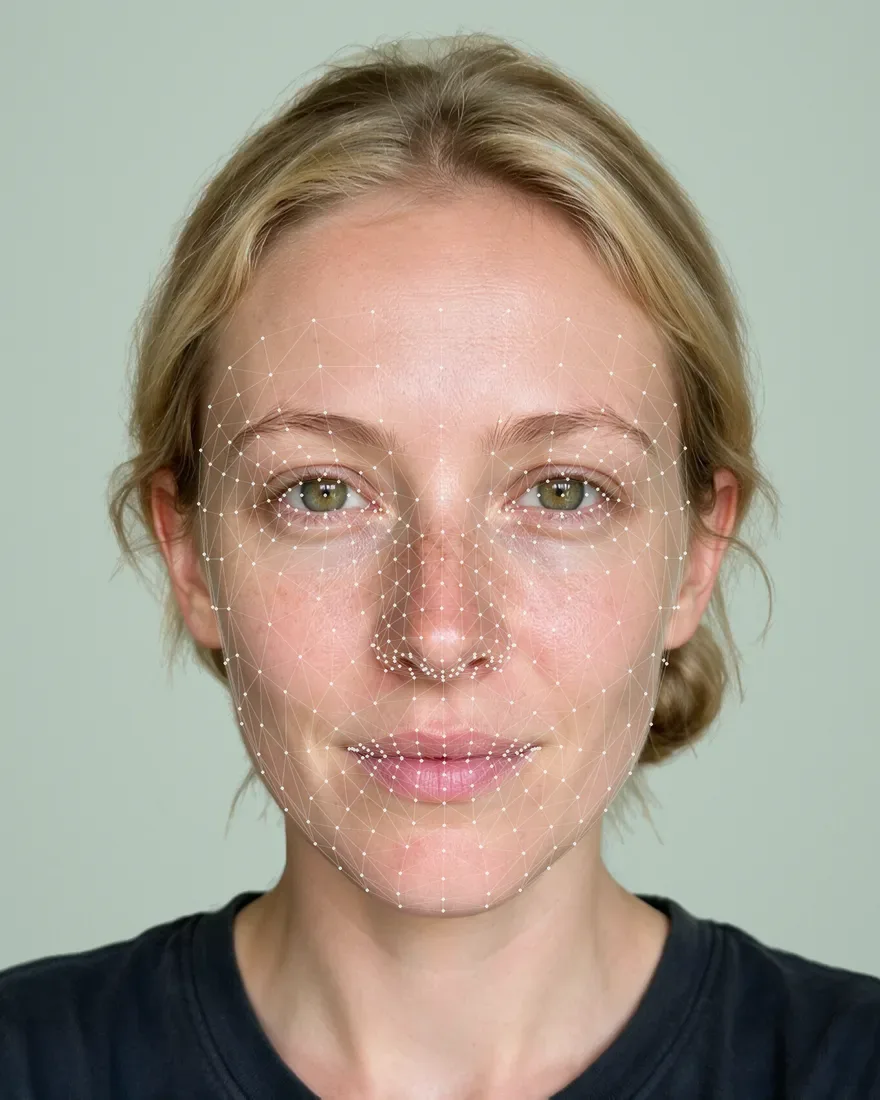
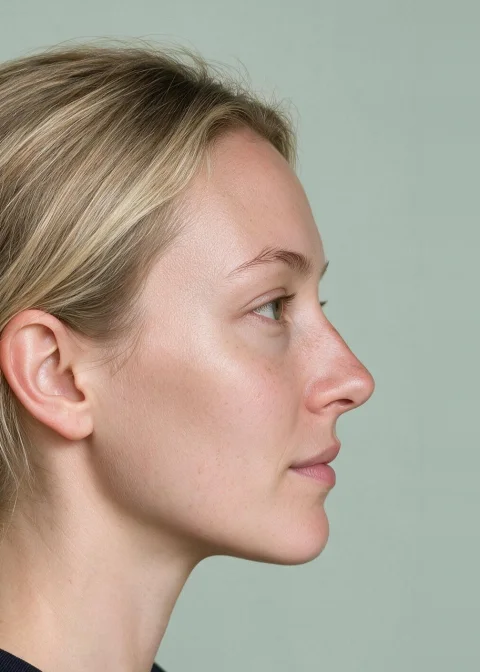
A 478-point face scan
Every point of your face mapped from one selfie, plus a side photo for your profile.
-
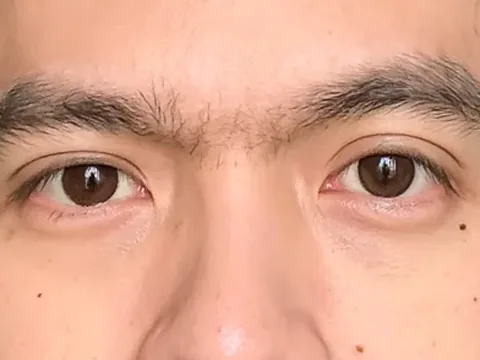
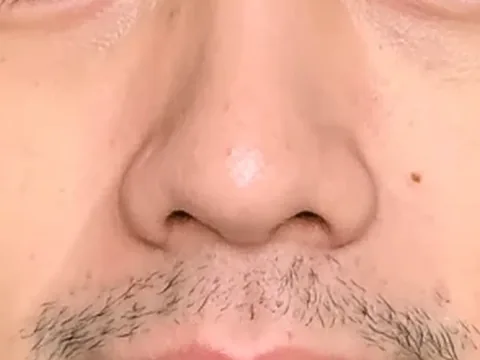
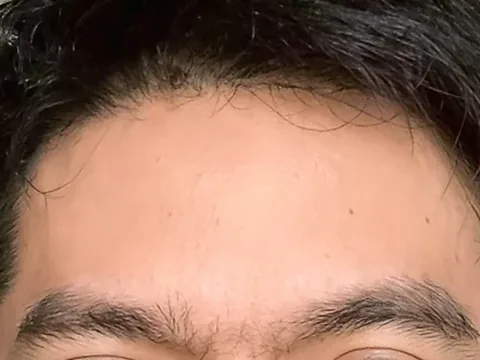
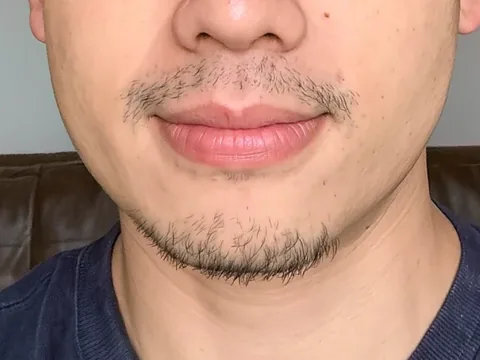
169 tests, region by region
Twelve regions of your face measured, from brows to jawline, plus the age your face reads as.
-
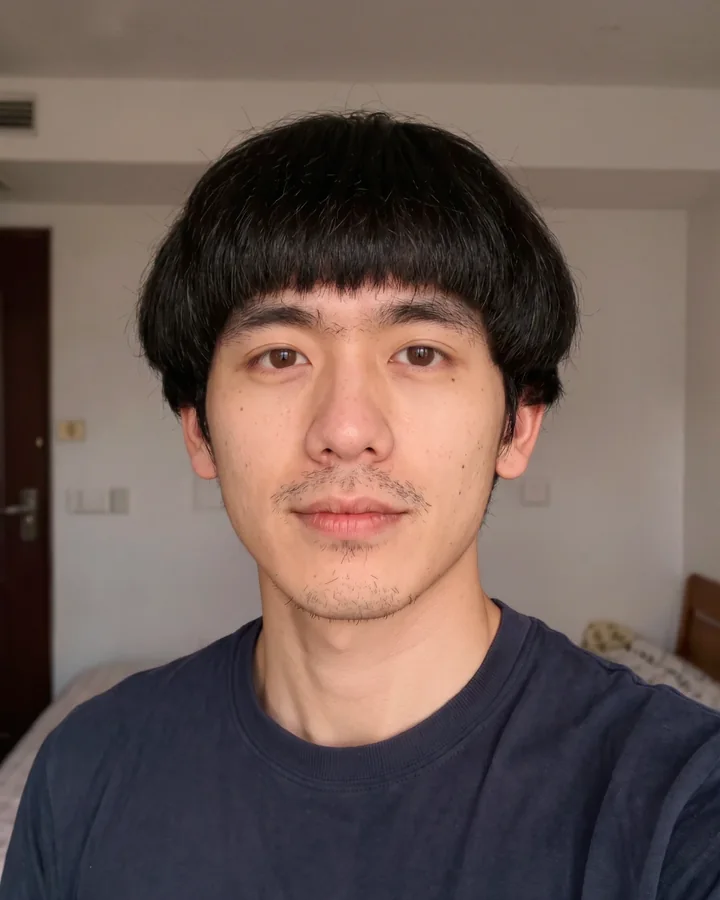
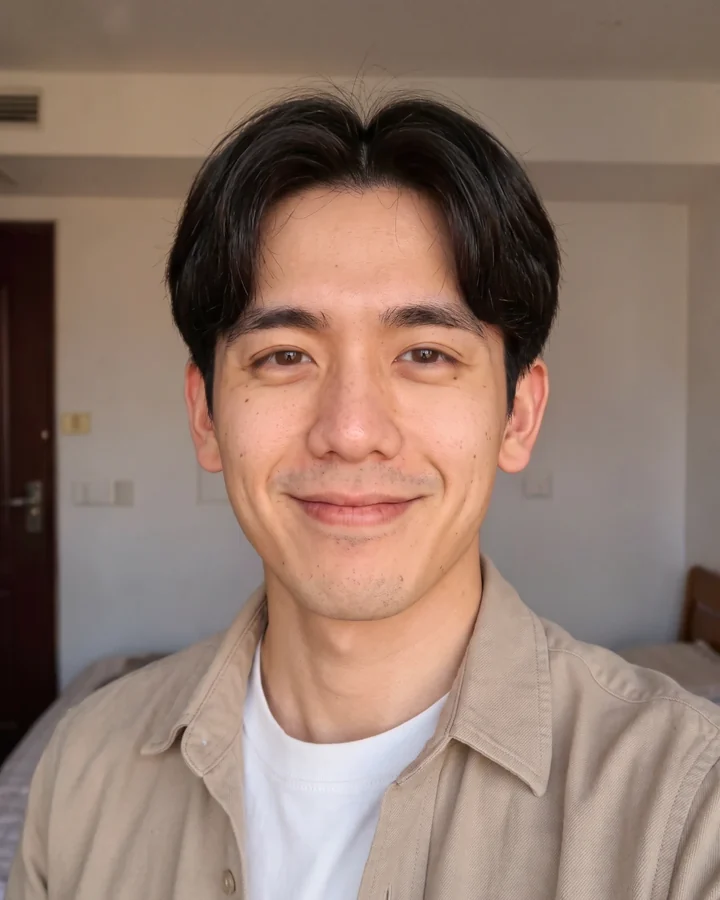
A natural glow-up on your own face
Hair, brows and skin changed on your photo. Your bone structure stays as it is.
-
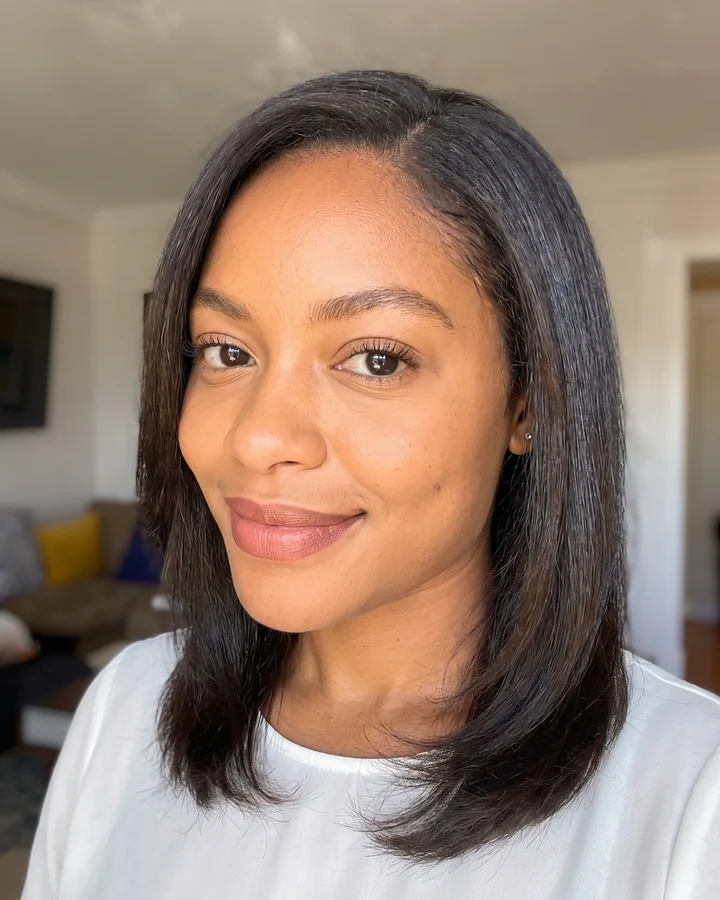
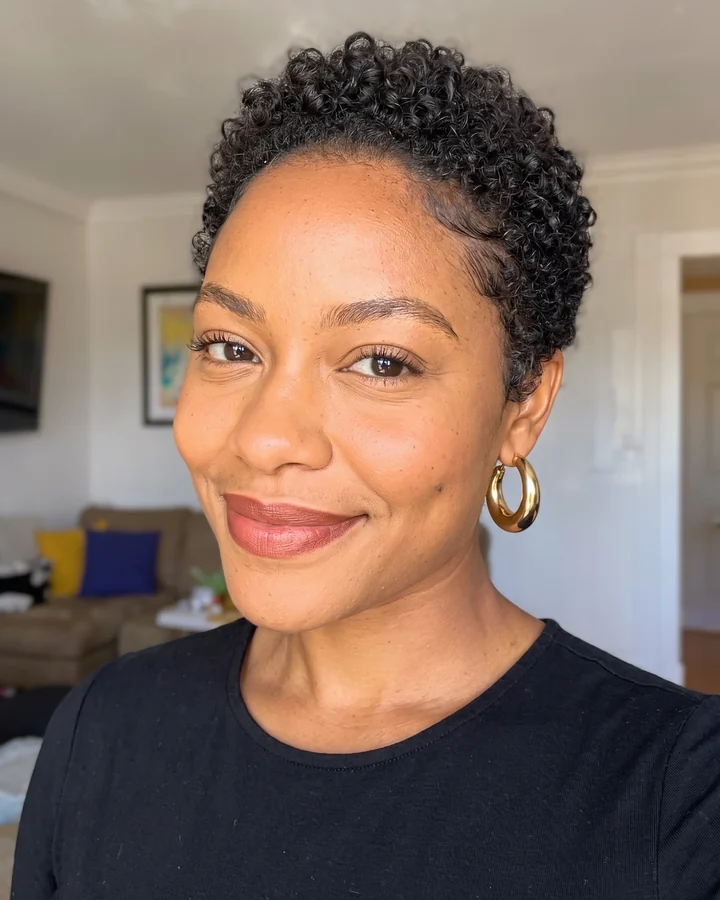
Hairstyles on your own face
The cuts that suit your face shape, side by side.
-
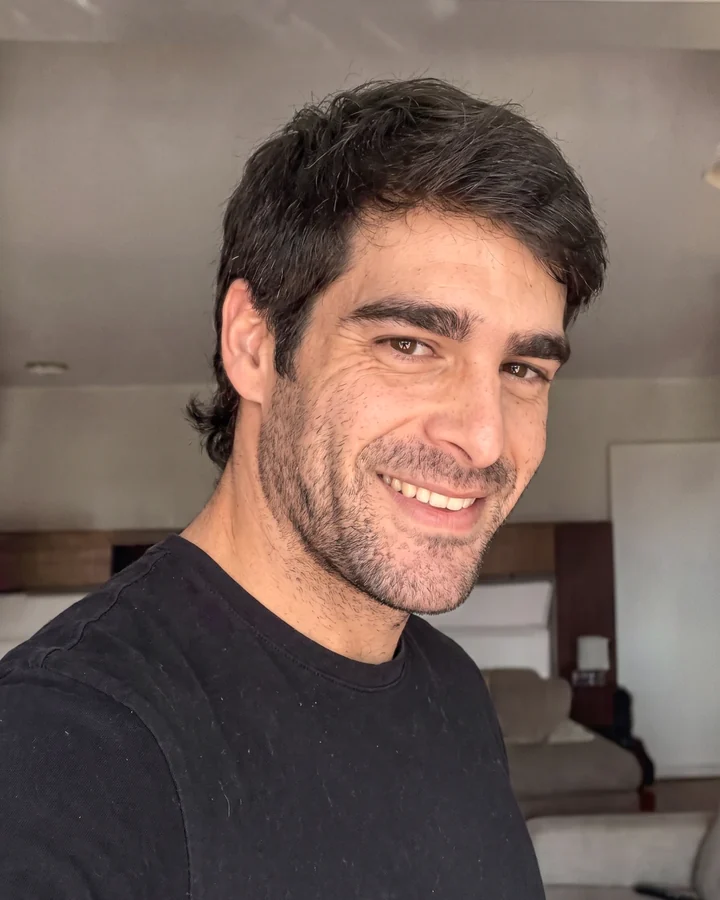

Brows, beard and makeup
Brow shape, beard length and makeup picked for your features.
-
A 90-day routine
Hair, skin and grooming steps to follow for 90 days, made for your face.
-
$29
Basic Readout
- Up to 10 front-view tests
- Your facial balance breakdown, feature by feature
-
$59 Recommended
Complete Clinical Dossier
- Front and side: all 169 tests
- Glow-up and up to 3 hairstyles on your own face
- 90-day routine and your facial age
-
$119
Master Suite, the surgery pack
- Surgical simulation with a millimetre change map
- Surgeon-ready PDF and up to 10 hairstyles
- 4 re-scans over a year
One payment, no subscription. Every report is checked by our team and ready within 24 hours.
How the free scan works
-

1 Take a selfie
Prop your phone at eye level, about 1.5 m away. Too close, and CEVO asks for another photo.
-
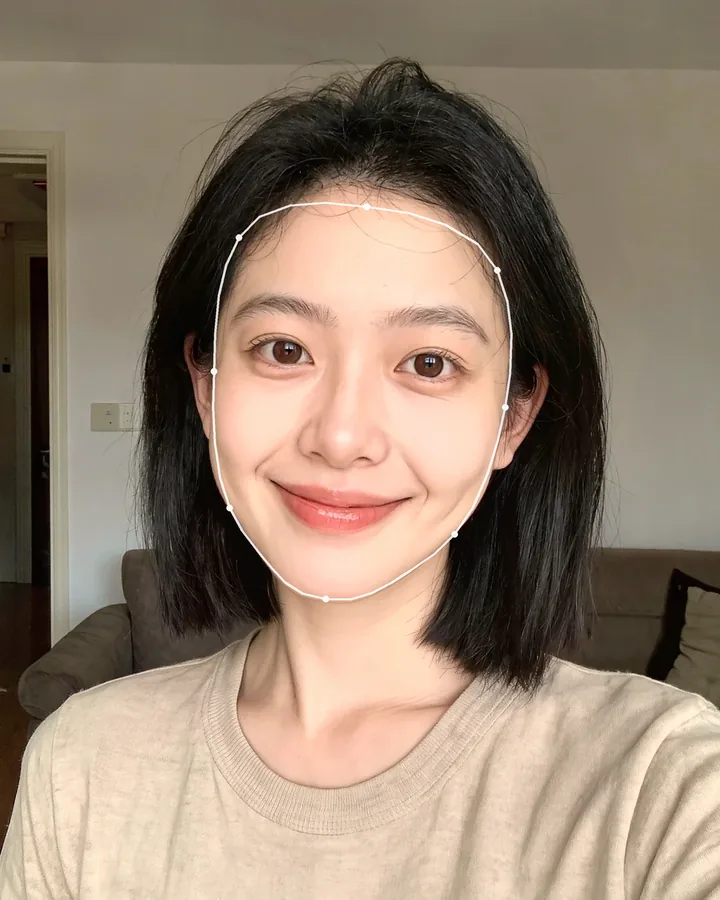
2 See your face shape and what suits you
Free: your face shape, your strengths and your first tips, in plain words.
-
3 Decide if you want more
See how many more tips are waiting for you. Unlock them only if you want them.
Start with one selfie
Your face shape and what suits you, free.
Questions
Is there a free AI face analyzer?
Yes. This page reads your photo in your browser and tells you what stands out. CEVO's free scan adds your face shape, strengths and first tips.
How does an AI face analyzer work?
It finds points such as the eye corners and chin, then measures the distances and angles between them.
Does it rate how attractive I am?
No. Each reading describes one proportion of your face. Paid reports add a facial balance breakdown, feature by feature.
Why does a selfie give a different result?
A phone at arm's length is much closer to your nose than to your cheeks, so your face reads a little narrower for its height. Prop it about 1.5 m away for a steadier reading.
What happens to my photo?
On this page it never leaves your device. In CEVO's free scan it is private and only used for your results; CEVO keeps a copy for up to 90 days to fix problems. Paid photos are deleted 30 days after delivery, and CEVO never sells your data. See the privacy policy and biometric notice.
How the analysis measures a face
How the analysis measures a face How your photo is read, the points behind each reading, the averages we compare with, what the camera does, how the 169 tests split, and our sources.
Every reading on this page is a distance or an angle between points on a front photo. Face width and eye tilt are compared with published measurements of adults; the thirds compare the parts of the same face. Nothing is guessed from the look of the face.
The face above, in numbers
These update as you move the dots or switch faces.
- Face width (FWHR): cheek-to-cheek width ÷ eyelid-to-lip height1.92 · men average 1.86, usual 1.73–1.99
- Eye tilt: how high the outer eye corners sit above the inner onesAbout +1° (estimate, ±1.5°) · most men +1° to +5°; up to 1.5° past either end is within the reading’s margin
- Face thirds: hairline to brows, brows to nose base, nose base to chinForehead 26% · middle 36% · lower 38%
The points behind the three readings
CEVO places a 478-point face mesh (MediaPipe numbering) on the photo, plus a named hairline point that the mesh lacks. On your own photo, both are found in your browser: MediaPipe Face Landmarker finds the mesh, and the hairline is where MediaPipe's hair-and-skin segmentation model first sees hair above the top of the mesh, along the centre of the forehead. The photo is never uploaded; only the two models are downloaded. If no hairline is found (hair pulled far back, a hat, a shaved head), the thirds wait for you to drag the top dot. The example faces were read by the same pass, so an example and the same photo uploaded give the same result.
Face width (facial width-to-height ratio, FWHR)
The widest points of the face outline near the cheekbones (#234 to #454), a stand-in for bizygomatic width, divided by upper face height, from the highest point of the upper eyelids (halfway between #159 and #386) to the top of the upper lip (#0). Forehead and chin are left out. Weston et al. (2007) describe the measure on skulls; photo studies take the height from the upper lip to the brow line or to the top of the eyelids, and Carré and McCormick (2008) measured it on photos of 88 students, the averages we compare with. Kramer (2017) pooled the published studies and found the difference between men and women small.
Eye tilt (canthal tilt)
The angle of the line from the inner eye corner to the outer corner (#133 to #33 on the right eye, #362 to #263 on the left), measured against the line through both pupils (#468 to #473). Using the pupil line cancels a tilted head. Positive means the outer corner sits higher. CEVO's reports give eye tilt as an estimate, about ±1.5° (its terms), so a 1° difference between the eyes is within its margin. The reading shown is the two eyes' average, in whole degrees.
Face thirds (vertical facial thirds)
Hairline (trichion) to the brow centre (#9), brow centre to the base of the nose (subnasale, #2), and base of the nose to the chin (menton, #152), each measured along the hairline-to-chin line and shown as a share of the whole. Farkas et al. (1985) found that real faces rarely split into three equal parts, so the reading compares the three parts of the same face with each other: it names the part furthest from a third when it is 4 or more points of the whole away, and says "close to even" otherwise.
The averages we compare with
"About average" means within 0.4 SD of the mean; "a little wider than average" 0.4 SD up to 0.03 past the typical range; "wider than most" more than that. Face width is compared at two decimals, as in the table. Eye tilt words follow whole degrees: +5° and up tilts up, +2° to +4° tilts up a little, 0° to +1° is about level, below 0° tilts down; once men or women is known, the eye tilt is also checked against the typical range below, with 1.5° of leeway, the estimate's margin. "What stands out" names a reading more than that leeway outside its typical range, or a third 4 or more points from even, furthest first; when none is, it names, in softer words, the reading whose card puts it most strongly: a width a little wider or narrower than average, or an eye tilt just past its typical range but within the leeway, comes before an eye tilt in the outer quarter of its typical range or a third 3 or more points from even; with none of these, it says nothing stands out. The leeway keeps a dot a pixel off, or a second selfie, from changing the answer. A narrower width from your own photo is not counted, because an arm's-length selfie makes faces read narrower.
| Reading | Men, average | Women, average | Men, typical range | Women, typical range |
|---|---|---|---|---|
| Face width (FWHR) | 1.86 ± 0.13 | 1.80 ± 0.10 | 1.73 – 1.99 | 1.70 – 1.90 |
| Eye tilt (canthal tilt) | +3.1° ± 1.9° | +4.2° ± 2.0° | +1.2° – +5.0° | +2.2° – +6.2° |
Typical range is the mean ± 1 SD (the 16th to 84th percentile), so about 1 in 3 adults sits outside it. Face width averages from Carré and McCormick (2008), photos of 37 men and 51 women; eye tilt averages from Farkas et al. (2005) and Rhee et al. (2012). The thirds have no average here: they compare the parts of the same face.
What the camera does, and the iris check
A phone's wide front camera at arm's length (about 30 cm) is far closer to the nose than to the jaw. By our camera model (see why selfies change your face), the nose reads about 4% wider at 30 cm (5% at 25 cm) and the jaw about 3% narrower than from 1.5 m. Ward et al. (2018) calculated the nose base about 30% wider relative to the cheekbone width at 12 inches than at 5 feet; Třebický et al. (2016) showed that focal length changes how a face's shape is seen. Adult irises (the white-to-white width of the cornea) are about 11.7 mm ± 0.4 mm wide (Rüfer et al. 2005), so their size in pixels shows how far away the camera was. When the photo is extremely close (under about 25 cm), CEVO asks for a retake; a normal selfie is accepted, and the scan marks the values a close photo can shift. It never warps or edits the face.
What is measured, and what is not
Measured: distances and angles between landmark points, in source-image pixels, turned into ratios so the photo's size does not matter. Compared: face width and eye tilt against adult averages for men or women, picked by you on your own photo; the thirds against each other. Not done in the free scan: no score and no ranking against other people; the paid reports add a facial balance breakdown, feature by feature, with no single overall rating. No edits to the photo. Dragging a dot on this page changes only that reading, live, in your browser.
How the 169 tests split by region
| Region | Clinical name | Tests |
|---|---|---|
| Eyes | Periorbital Complex & Canthal Axis | 24 |
| Brows | Supraorbital Rim & Eyebrow Architecture | 16 |
| Middle of the face | Midface Triangle & Infraorbital Support | 18 |
| Cheekbones | Zygomatic Arch & Malar Prominence | 14 |
| Nose | Nasal Pyramid & Nasolabial Complex | 15 |
| Upper jaw and profile | Maxillary Projection & Sagittal Profile | 14 |
| Lips and mouth | Perioral Complex, Lip Vermilion & E-Line | 14 |
| Jaw | Mandibular Body, Gonion & Ramus Complex | 18 |
| Chin | Menton, Pogonion & Mentolabial Sulcus | 10 |
| Face thirds and fifths | Neoclassical Vertical Thirds & Horizontal Fifths | 10 |
| Under the chin and neck | Submental Cervicomental & Soft-Tissue Adiposity | 8 |
| Forehead, hairline and skin | Cranial Vault, Trichion & 4-Zone Dermal Homogeneity | 8 |
Sources
-
Weston EM, Friday AE, Liò P (2007). Biometric Evidence that Sexual Selection Has Shaped the Hominin Face. PLoS ONE, 2(8), e710.
-
Carré JM, McCormick CM (2008). In your face: facial metrics predict aggressive behaviour in the laboratory and in varsity and professional hockey players. Proceedings of the Royal Society B: Biological Sciences, 275(1651), 2651–2656.
-
Kramer RSS (2017). Sexual dimorphism of facial width-to-height ratio in human skulls and faces: A meta-analytical approach. Evolution and Human Behavior, 38(3), 414–420.
-
Farkas LG, Katic MJ, Forrest CR, et al. (2005). International anthropometric study of facial morphology in various ethnic groups/races. Journal of Craniofacial Surgery, 16(4), 615–646.
DOI: 10.1097/01.scs.0000171847.58031.9ePMID: 16096529
-
Rhee SC, Woo KS, Kwon B (2012). Biometric study of eyelid shape and dimensions of different races with references to beauty. Aesthetic Plastic Surgery, 36(5), 1236–1245.
DOI: 10.1007/s00266-012-9937-7PMID: 22806145
-
Farkas LG, Hreczko TA, Kolar JC, Munro IR (1985). Vertical and horizontal proportions of the face in young adult North American Caucasians: revision of neoclassical canons. Plastic and Reconstructive Surgery, 75(3), 328–338.
-
Ward B, Ward M, Fried O, Paskhover B (2018). Nasal Distortion in Short-Distance Photographs: The Selfie Effect. JAMA Facial Plastic Surgery, 20(4), 333–335.
-
Třebický V, Fialová J, Kleisner K, Havlíček J (2016). Focal Length Affects Depicted Shape and Perception of Facial Images. PLoS ONE, 11(2), e0149313.
-
Rüfer F, Schröder A, Erb C (2005). White-to-white corneal diameter: normal values in healthy humans obtained with the Orbscan II topography system. Cornea, 24(3), 259–261.
See what suits your face. Free, from one selfie.
Your face shape, your strengths and your first tips, free from one selfie. A report unlocks the rest.
Start free scan