
Interpupillary distance calculator. Find your PD for glasses.
Add a front photo. The calculator puts a dot on each edge of the coloured part of both eyes (four in all); drag any that are off, and you get your PD for glasses.
Free, and your photo never leaves this device.

Drag any dot to fine-tune it. The result updates as you go.
This face's PD
About 62 mm
Add your own photo to get yours.
- Reading PDAbout 59 mm on this face, for reading glasses only.
Now find your face shape
It's the first thing to know when picking frames. One selfie shows your face shape, your strengths and your first tips, free.
Start free scanDrag a pin, or select it and use the arrow keys.
See what suits your face, free
Start free scanWhat your result means
- Your PD is for glassesOpticians use it to centre each lens on your pupil.
- Reading PD is a little smallerYour eyes turn in to read, so reading glasses use a PD about 3 mm smaller. Everything else uses your distance PD.
- The photo mattersUp close, your eyes turn in and read narrower, so a close selfie gives too small a PD.
What CEVO gives you. From one selfie.
-
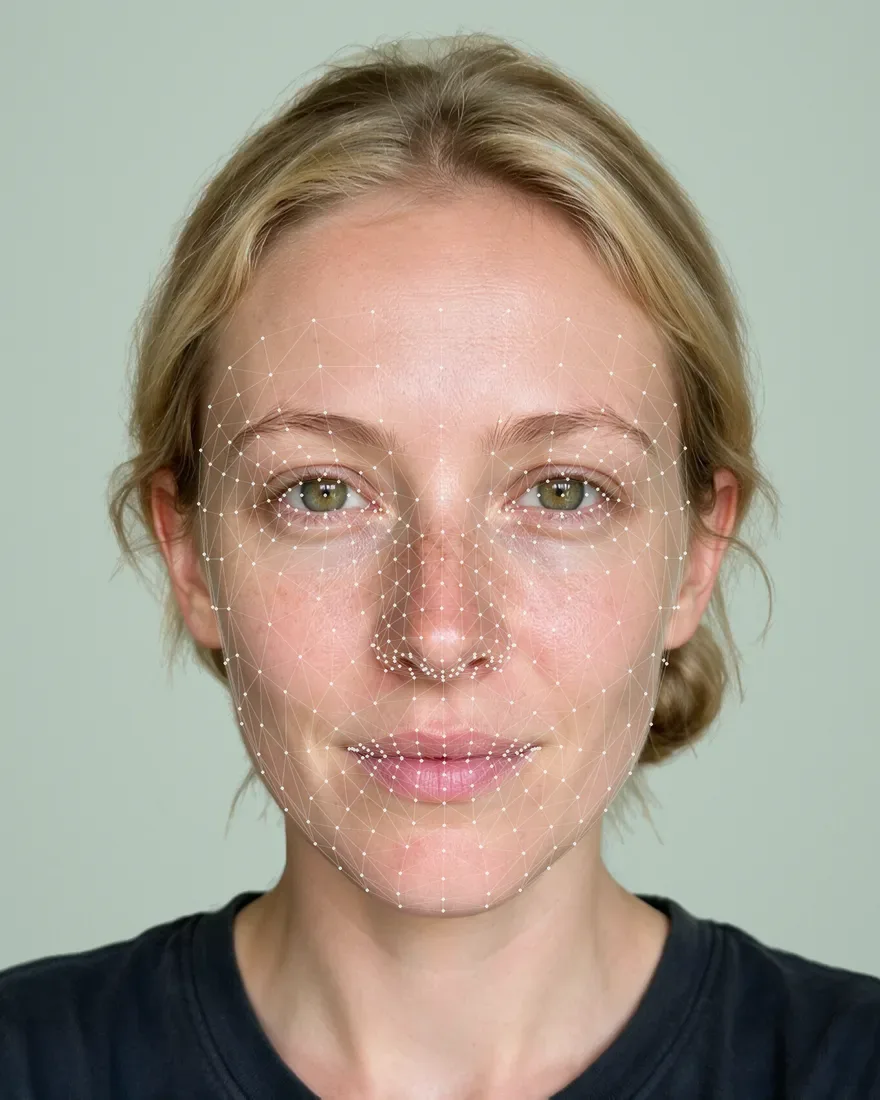
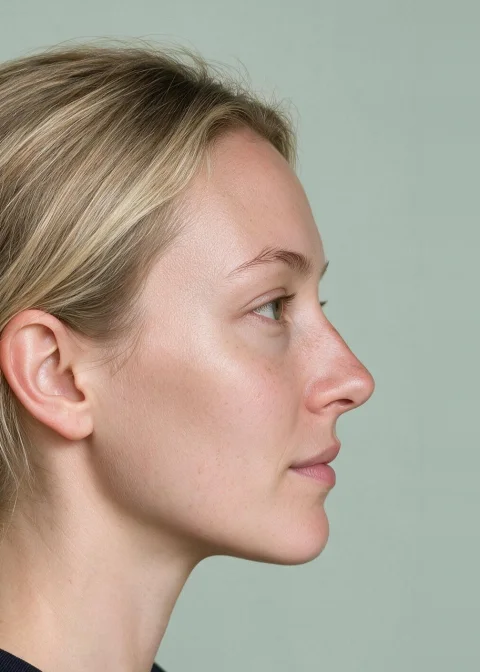
A 478-point face scan
Every point of your face mapped from one selfie, plus a side photo for your profile.
-
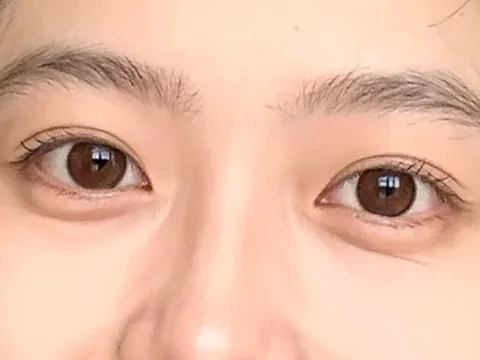

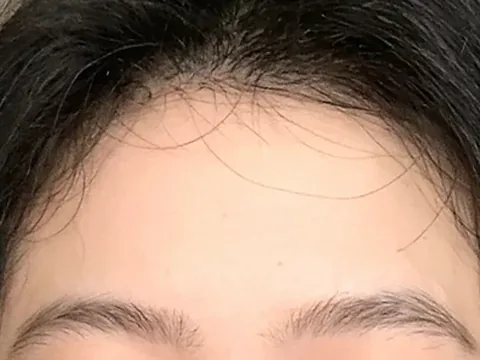
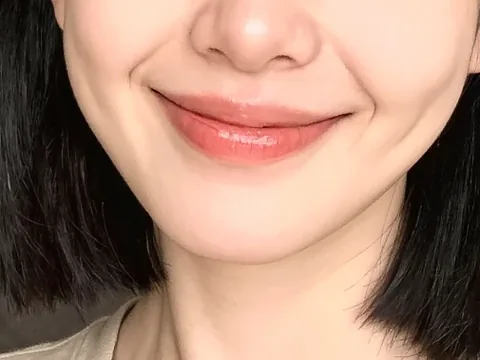
169 tests, region by region
Twelve regions of your face measured, from brows to jawline, plus the age your face reads as.
-

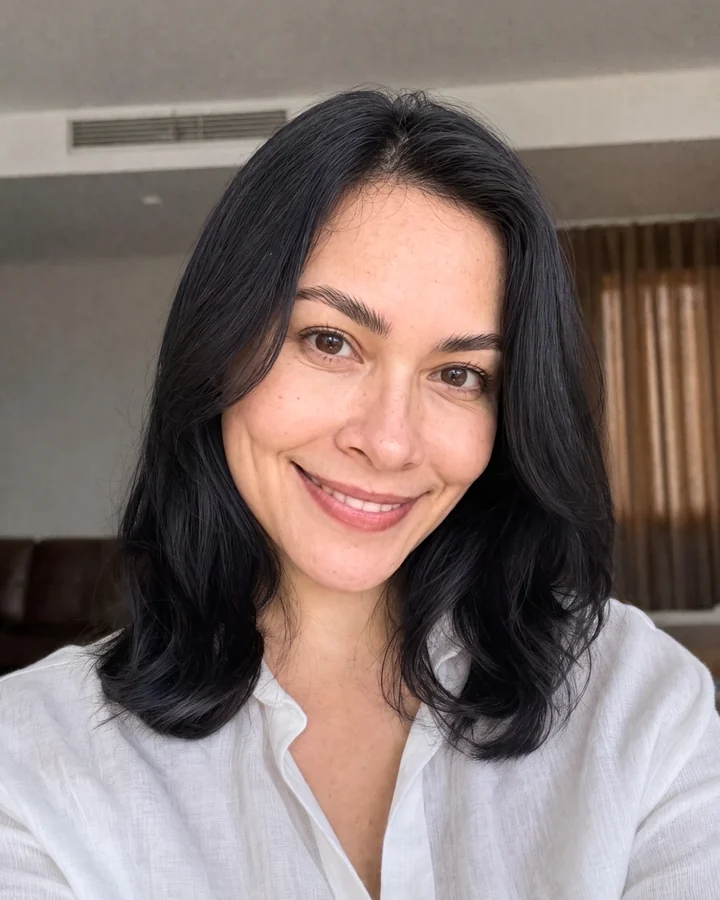
A natural glow-up on your own face
Hair, brows and skin changed on your photo. Your bone structure stays as it is.
-
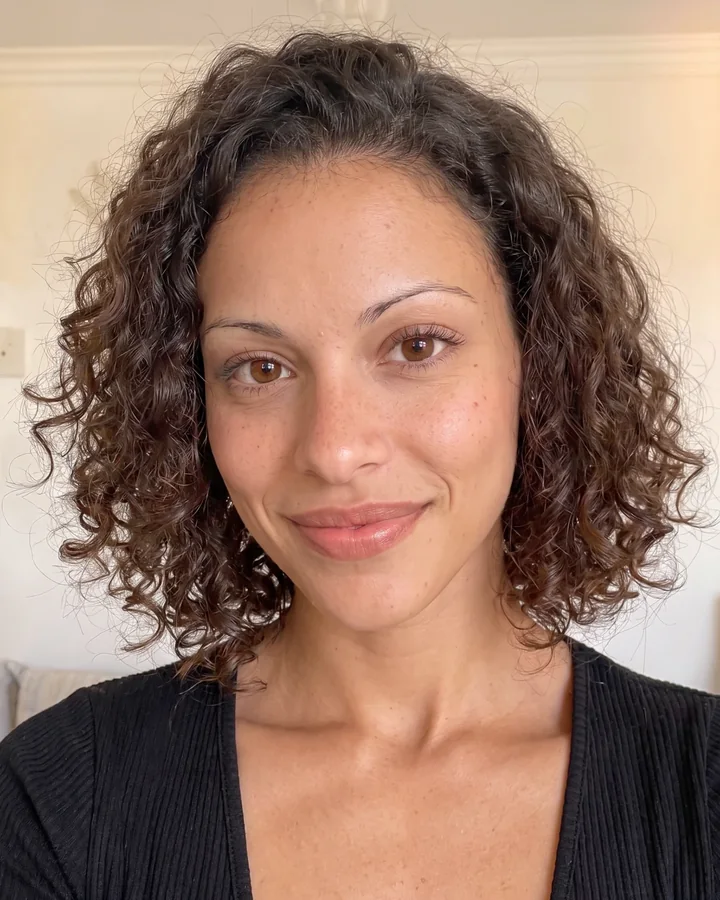
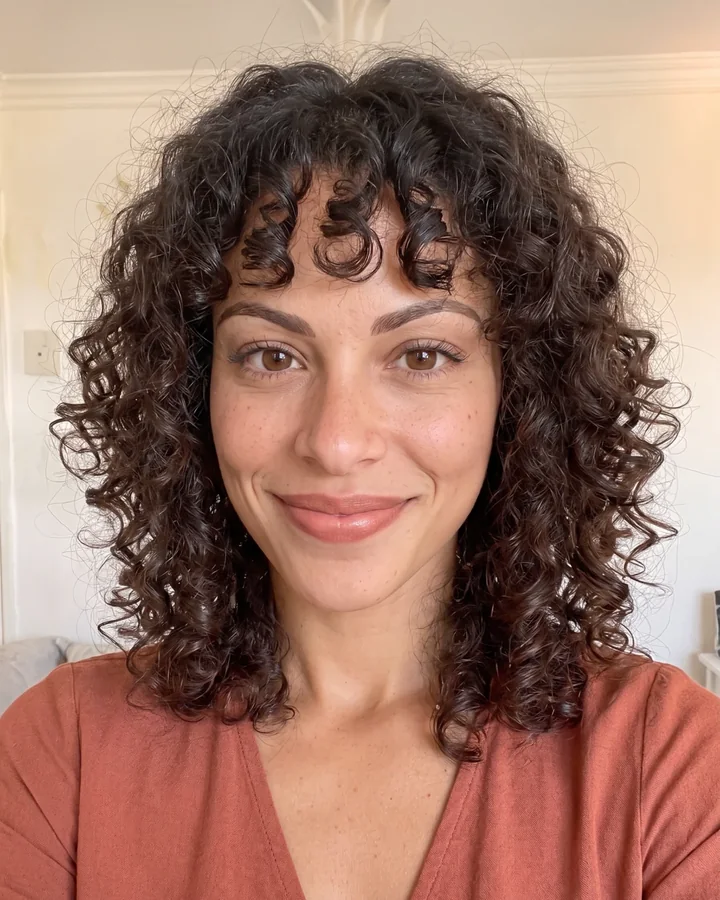
Hairstyles on your own face
The cuts that suit your face shape, side by side.
-

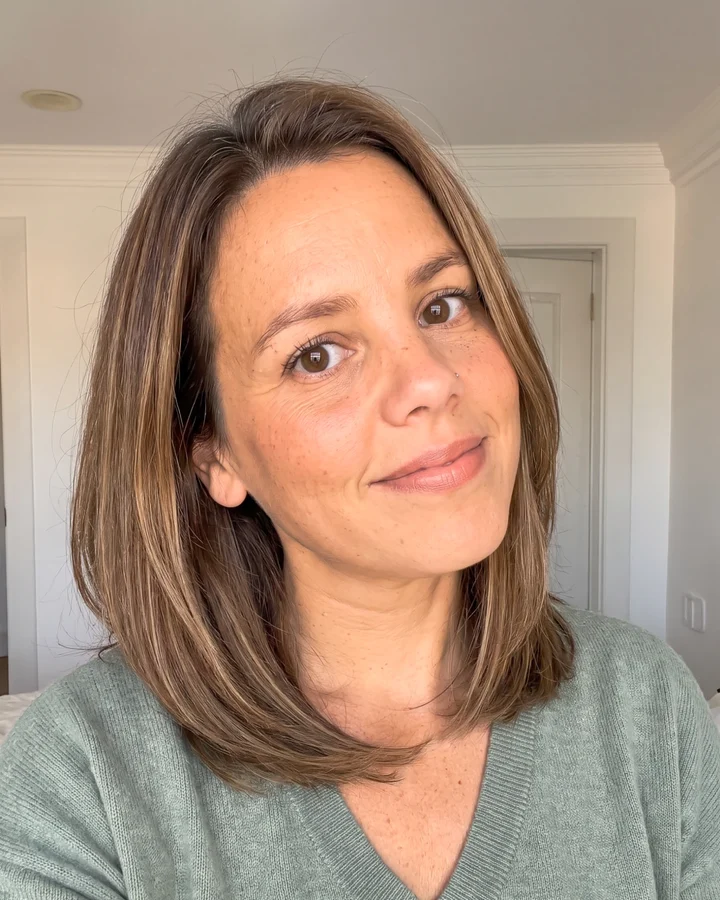
Brows, beard and makeup
Brow shape, beard length and makeup picked for your features.
-

A 90-day routine
Hair, skin and grooming steps to follow for 90 days, made for your face.
-
$29
Basic Readout
- Up to 10 front-view tests
- Your facial balance breakdown, feature by feature
-
$59 Recommended
Complete Clinical Dossier
- Front and side: all 169 tests
- Glow-up and up to 3 hairstyles on your own face
- 90-day routine and your facial age
-
$119
Master Suite, the surgery pack
- Surgical simulation with a millimetre change map
- Surgeon-ready PDF and up to 10 hairstyles
- 4 re-scans over a year
One payment, no subscription. Every report is checked by our team and ready within 24 hours.
How the free scan works
-
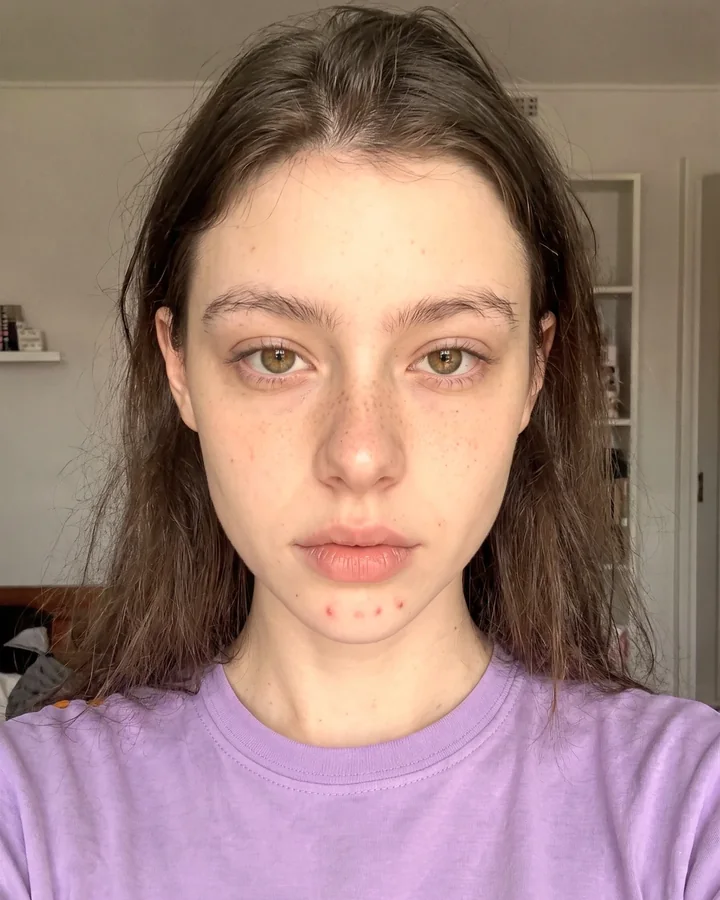
1 Take a selfie
Prop your phone at eye level, about 1.5 m away. Too close, and CEVO asks for another photo.
-
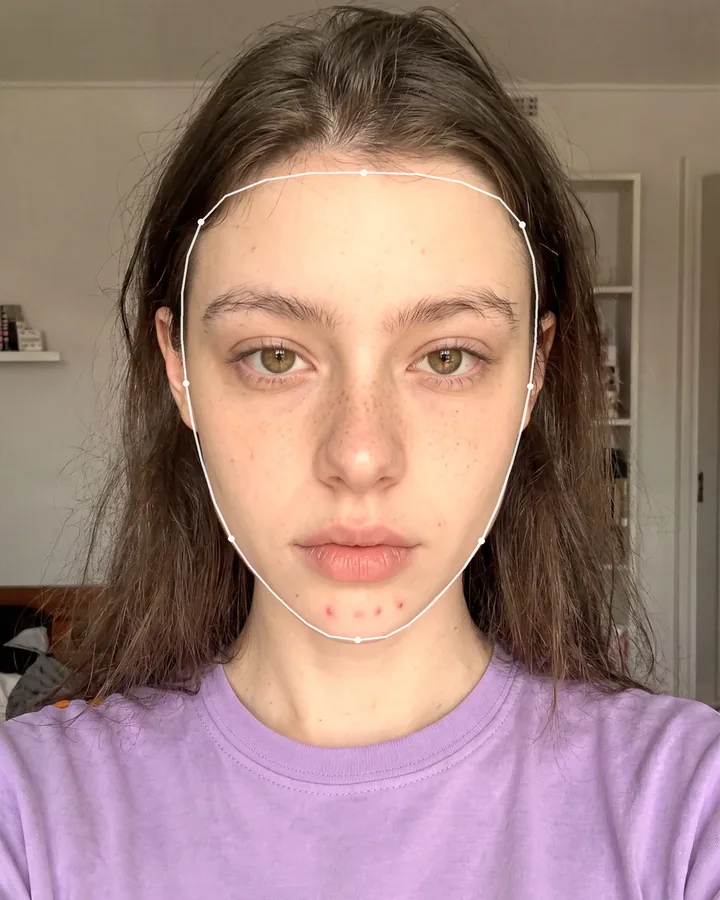
2 See your face shape and what suits you
Free: your face shape, your strengths and your first tips, in plain words.
-
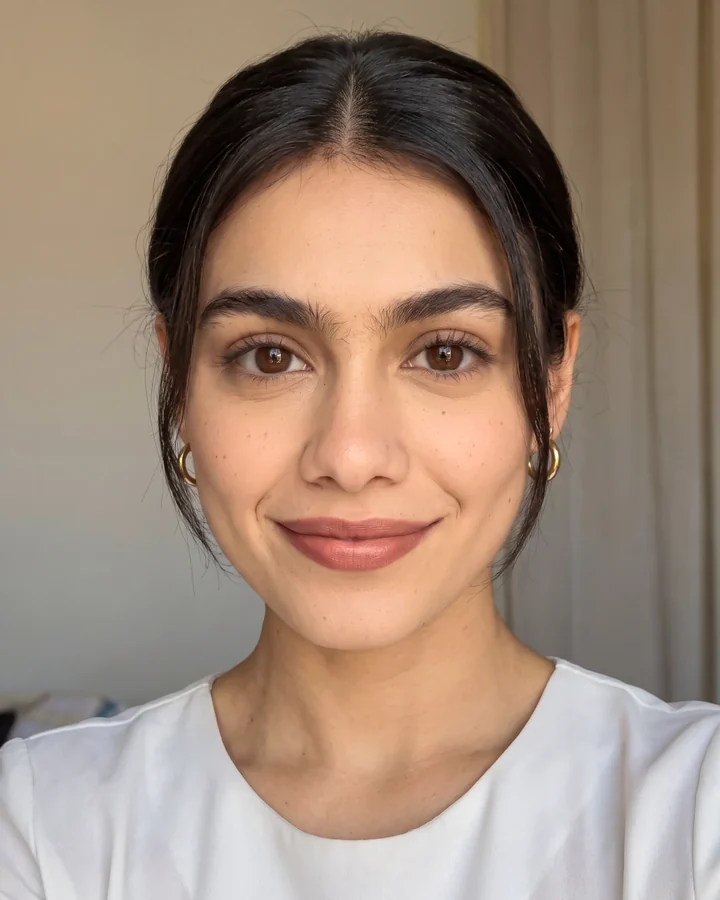
3 Decide if you want more
See how many more tips are waiting for you. Unlock them only if you want them.
Start with one selfie
Your face shape and what suits you, free.
Questions
What is a normal pupil distance?
Adult men average about 64 mm and adult women about 62 mm. Most adults sit within a few millimetres of that.
What's the difference between distance PD and reading PD?
Distance PD is the gap between your pupils when you look far away, and most glasses use it. Your eyes turn in to read, so reading PD is about 3 mm smaller.
What frame width should I look for?
Copy the total width of a pair that fits you now (shops list it in millimetres), or ask the shop. A photo can't measure it reliably.
What bridge width should my glasses have?
The middle of the three numbers inside the arm, like 50-19-145, is the bridge in millimetres. It should match the width of your nose bridge, so copy it from a pair that sits well on you now.
How the calculator measures your eyes
How the calculator measures your eyes How the iris works as a ruler, why close selfies read narrower, and the studies behind it.
We find the centre of each pupil from the two edges of its iris and measure the gap between them. The iris, about 11.7 mm wide in adults, turns pixels into millimetres. Below: what PD is, how the photo is measured, why close selfies read narrower, and our sources.
What PD is
Distance PD is the gap from the centre of one pupil to the centre of the other while you look into the distance. Adult men average about 64 mm and women about 62 mm (Dodgson 2004; Farkas 2005), and most adults sit within a few millimetres of that. Opticians use it to put the centre of each lens right in front of your pupil, and most glasses are made with it.
Reading PD is about 3 mm smaller, because your eyes turn in to read. Use it only for glasses you wear for reading.
Which PD to use for which glasses
Shops ask for one PD, but the right one depends on what the glasses are for. Here is how it works out for someone with a 62 mm distance PD.
| Glasses | Which PD | On a 62 mm distance PD |
|---|---|---|
| Distance glasses, sunglasses, everyday wear | Your distance PD, the number this calculator gives | 62 mm |
| Reading glasses | About 3 mm smaller, because your eyes turn in to read | About 59 mm |
| Computer glasses, at arm's length | About 1 to 2 mm smaller than distance | About 60 to 61 mm |
| Varifocals or a strong prescription | One PD per eye, measured by your optician | For example 31 mm and 31 mm |
How the calculator measures your PD from one photo
The calculator needs no card or ruler. The coloured part of the eye, the iris, is about 11.7 mm wide in nearly every adult (Rüfer 2005), so it works as a ruler in the photo: the calculator finds the centre of each pupil halfway between the two edges of its iris, measures the gap in iris widths and turns it into millimetres. On your own photo, a face finder that runs in your browser puts the four dots on the iris edges first, and you check them and drag any that are off. Irises differ a little in size and a dot can sit slightly off the edge, so a photo PD is accurate to about 3 mm. That is fine for most everyday single-vision glasses; for varifocals or a strong prescription, have an optician measure it.
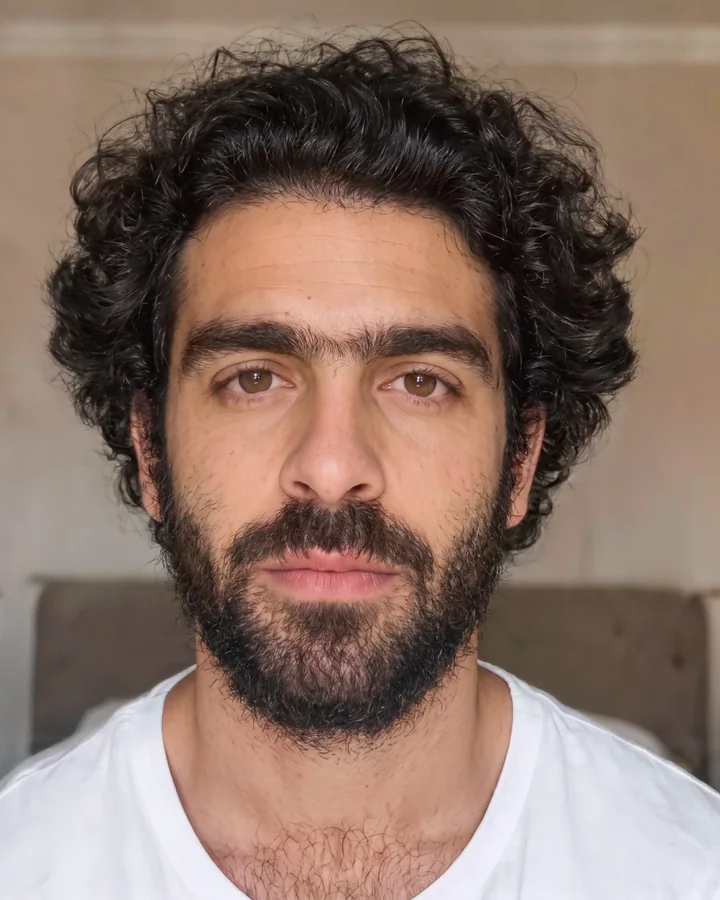
Pupils about 59 mm apart
Why a close selfie gives a smaller PD
When the phone is at arm's length, your eyes turn in to look at the lens, so your pupils sit closer together than they do when you look into the distance. Distance glasses need the far-away gap, so a close selfie reads a few millimetres too narrow.
| Photo | Your eyes | Use it for distance glasses? |
|---|---|---|
| Close selfie, at arm's length | Turn in toward the lens, so the pupils read closer together than your distance PD | No |
| Photo from about 1.5 m (5 ft), at eye level | Look almost straight ahead, as they do for distance glasses | Yes |
Sources
-
Dodgson NA (2004). Variation and extrema of human interpupillary distance. Proceedings of SPIE: Stereoscopic Displays and Virtual Reality Systems XI, 5291, 36–46.
-
Rüfer F, Schröder A, Erb C (2005). White-to-white corneal diameter: normal values in healthy humans obtained with the Orbscan II topography system. Cornea, 24(3), 259–261.
-
Farkas LG, Katic MJ, Forrest CR, et al. (2005). International anthropometric study of facial morphology in various ethnic groups/races. Journal of Craniofacial Surgery, 16(4), 615–646.
See what suits your face. Free, from one front photo.
One selfie, a few minutes: your face shape, your strengths and your first tips.
Start free scan