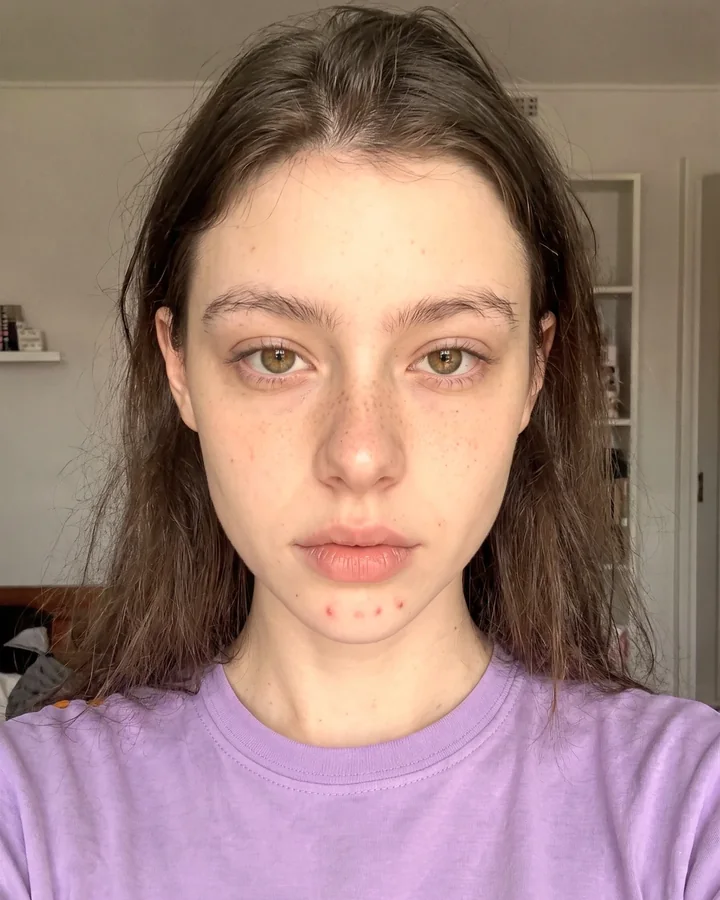
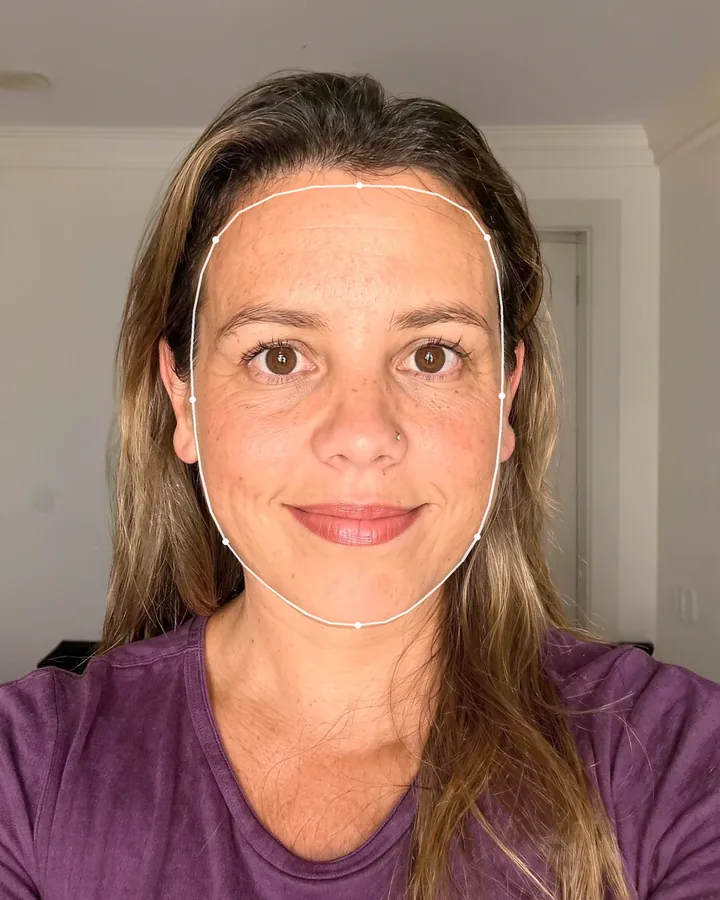
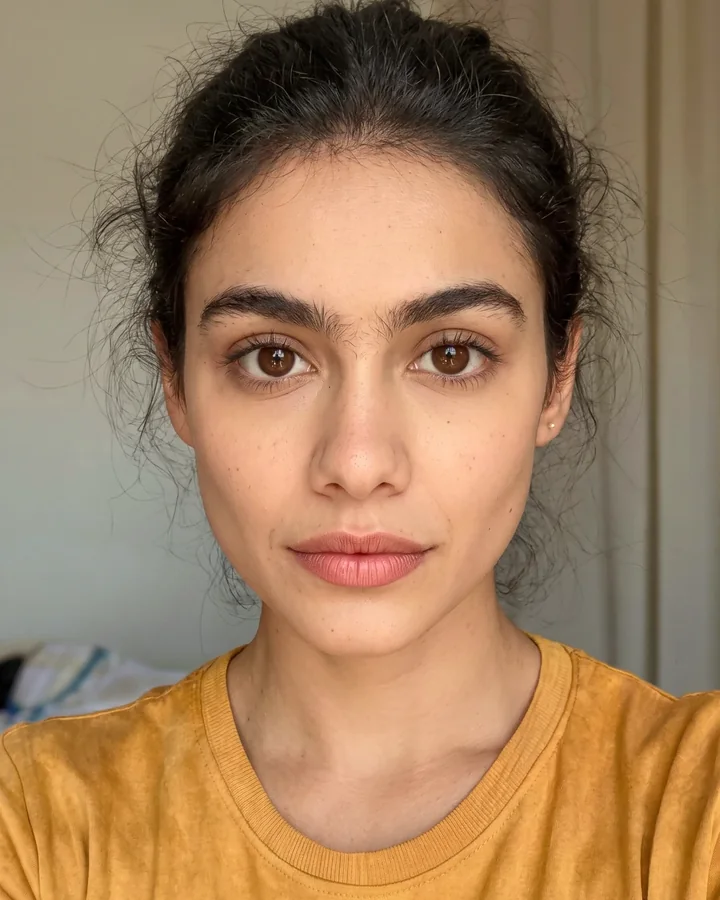
Look at three things on a relaxed front photo: width next to height, corner tilt and how much lid shows. The analyzer reads the first two from your photo, and you answer one question about your eyelid.
What does "as wide as tall" mean?
How many times wider your eye is than the height of its opening. About 2½ or less looks round, about 3 is the usual almond, and about 3½ or more looks long.
What is the difference between hooded and deep-set eyes?
Both show little lid. Deep-set eyes sit under a low, forward brow bone. Hooded eyes have a soft fold of skin over the crease.
What are downturned eyes?
Your outer eye corners sit a little lower than your inner corners.
Why do my eyes look different in selfies?
A close phone makes eyes look rounder, and raised brows show more lid. Relax your forehead and step back. CEVO's scan asks for a retake if the camera was too close.
How the analyzer reads your eye shape
How the analyzer reads your eye shapeWhere the dots go, the three things behind each shape, how the analyzer picks one, and the studies behind them.
We measure each eye from corner to corner and from the upper to the lower lid, and level the corner angle to the line through your inner corners. Below: the three things, how the analyzer picks a shape, why selfies change it, and our sources.
The three things behind an eye shape
Width-to-height ratio: Measure your eye from the inner corner (#133) to the outer corner (#33), then divide by how tall it opens (#159 to #145). A lower ratio means a taller, rounder opening, and a higher one a longer, narrower opening.
Outer corner angle (canthal tilt): The angle of the inner-to-outer corner line against the line through your two inner corners (#133–#362). It is positive when the outer corner sits higher than the inner one.
Upper lid show (#159): How much lid shows between the lashes and the crease when you look straight ahead. A low brow or a soft fold of skin can hide it. A photo can't show where the crease is, so you answer this one yourself.
Ratio = #133–#33 ÷ #159–#145
How the eye's height and corner tilt change its shape
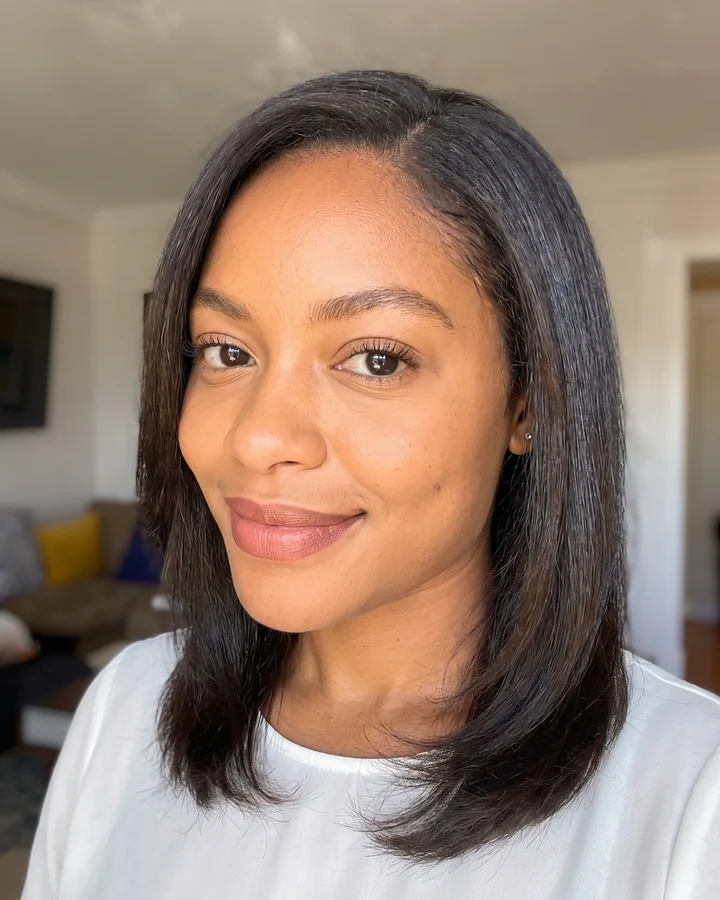
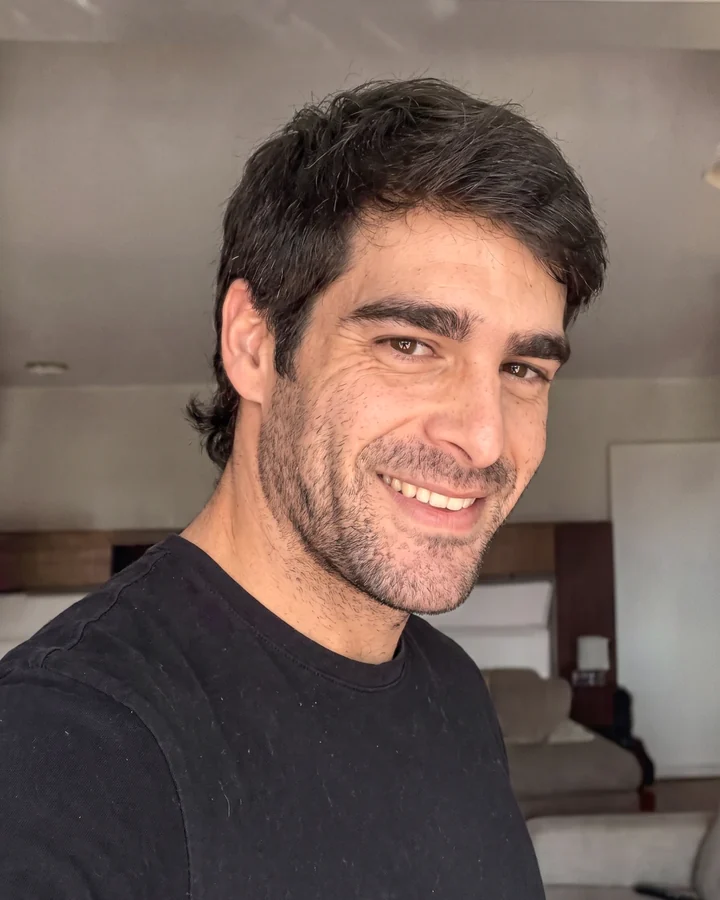
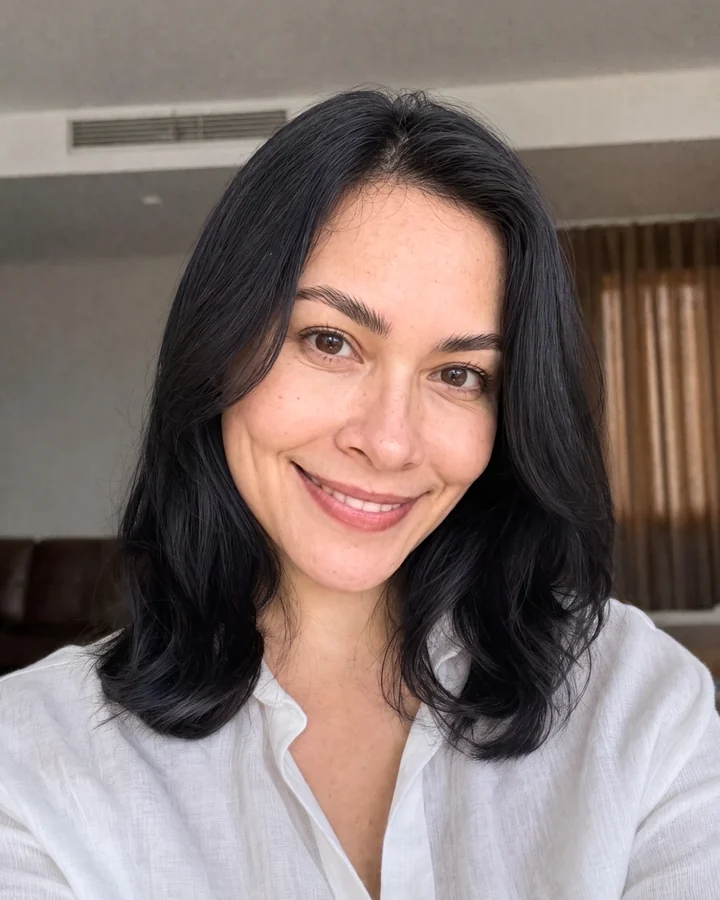
Two people can have the same eye width and still have different eye shapes if one opens taller (#159→#145) or has outer corners that sit higher. The analyzer doesn't measure brow height; it asks the eyelid question instead. Compare three of the example faces:
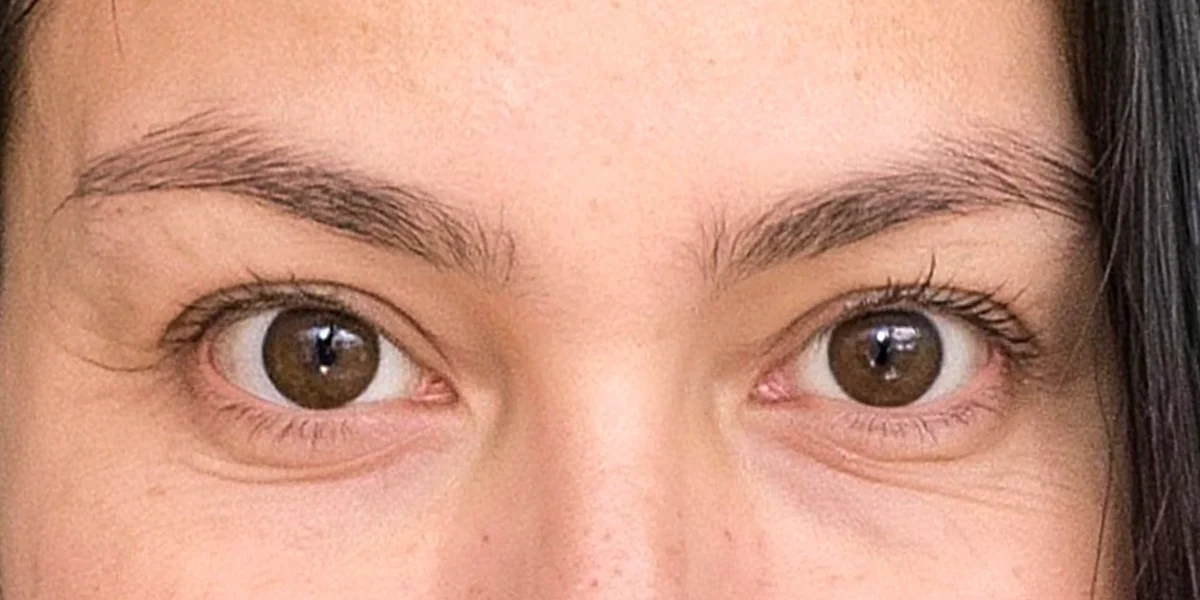
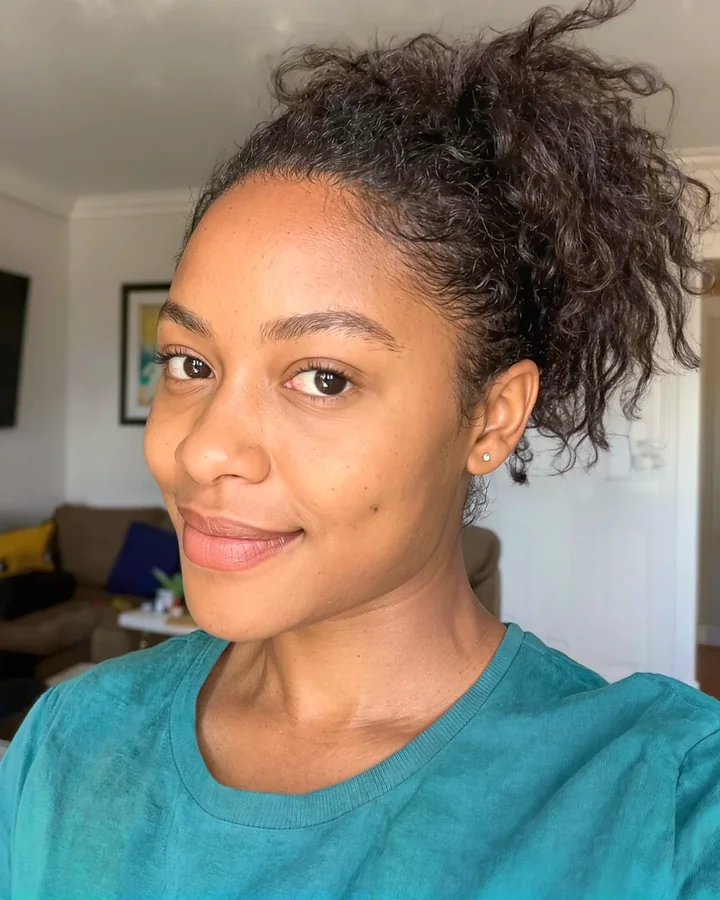
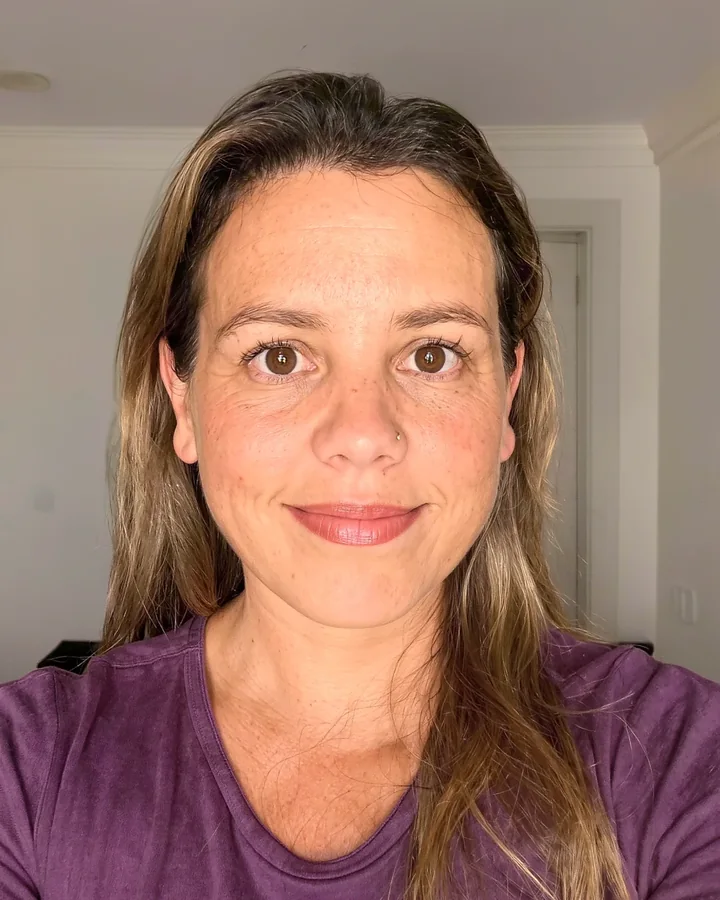
Upturned
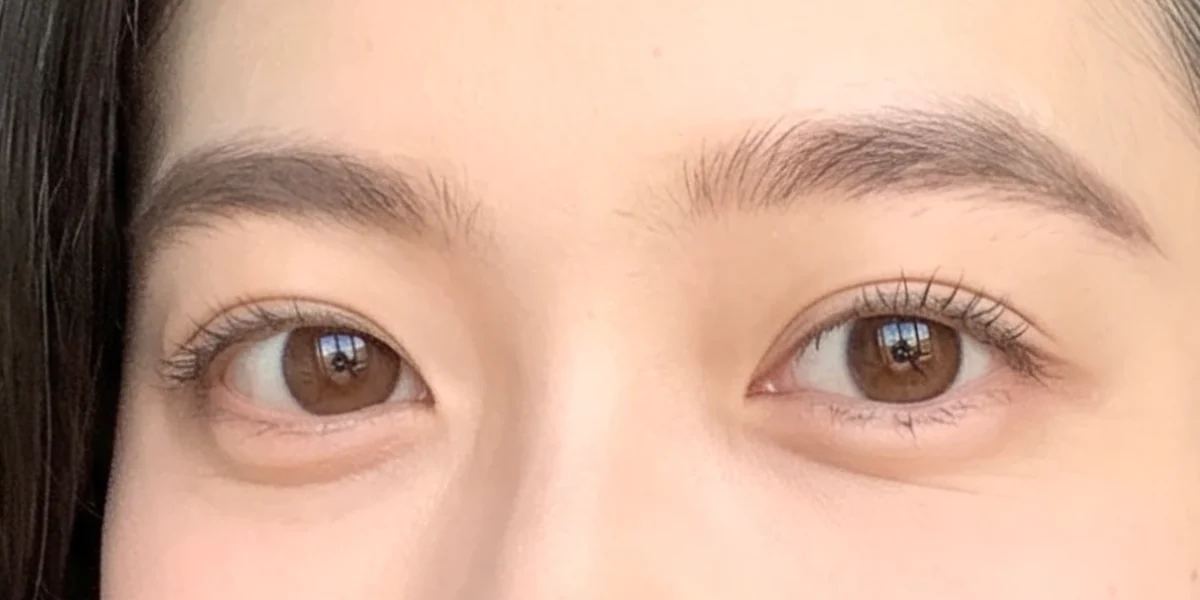
A balanced 3.0 width-to-height ratio with the outer corners about +9° above the inner ones, well past the +5° cut-off, so it reads as upturned.
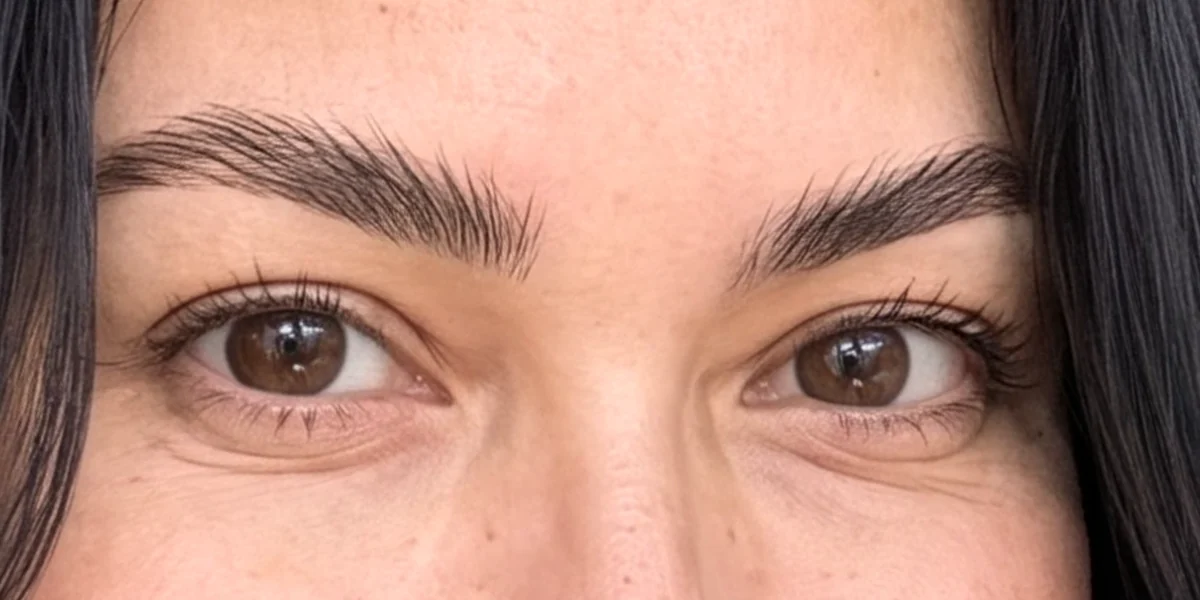
Almond, on the long side
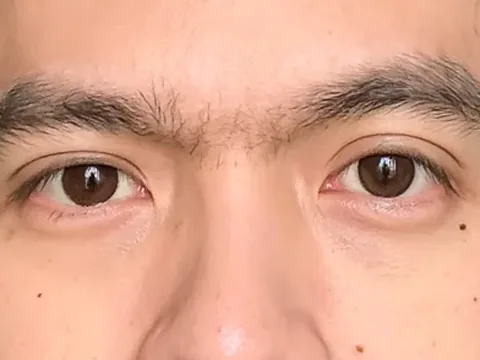
A wide, flat opening (3.4) with a near-level +1° corner tilt: wider than the usual almond, so it reads as almond on the long side, without the lift of an upturned one.
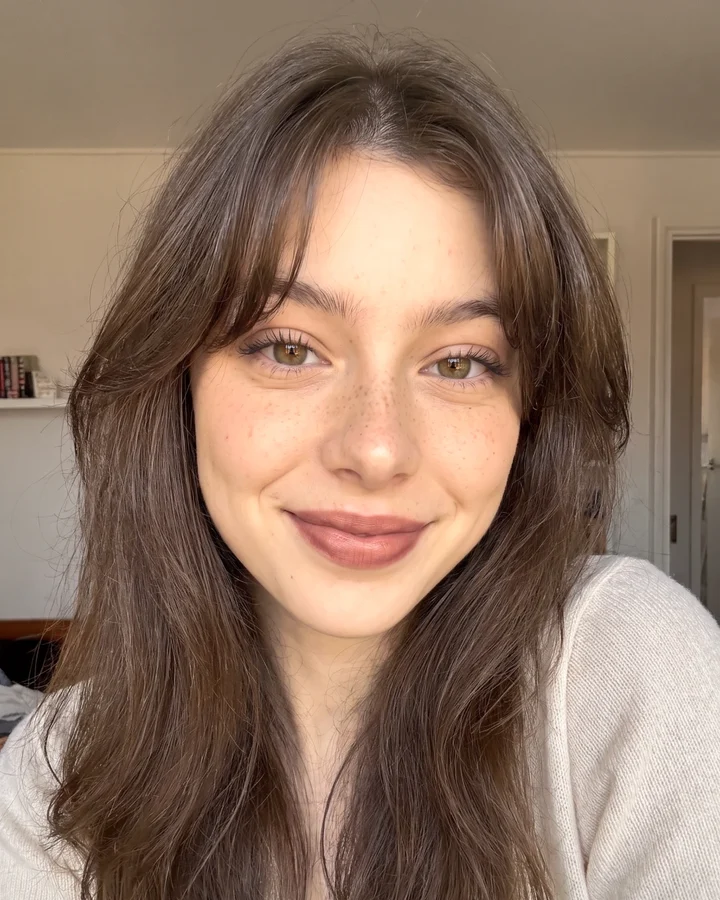
Round, with lifted corners
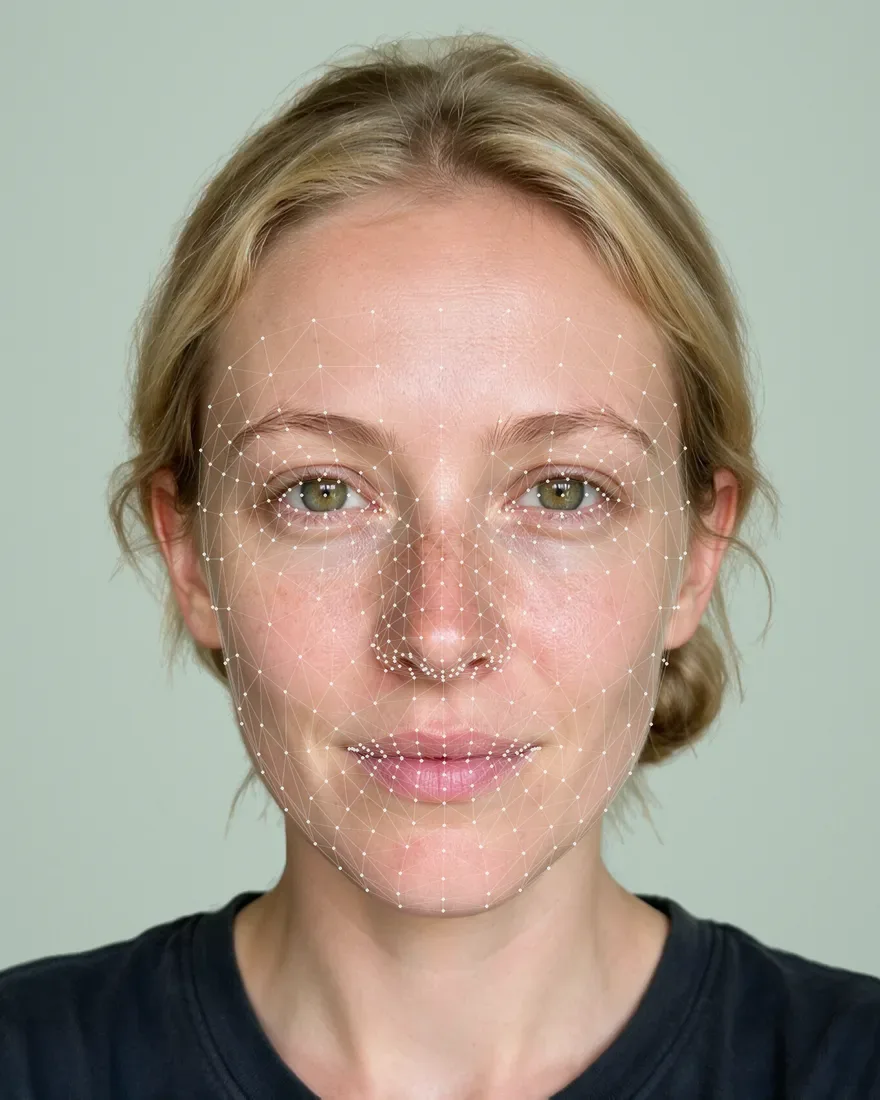
A tall 2.6 opening with the outer corners about +8° above the inner ones. It reads as round, and the lift means the upturned tips suit it too. Darker liner or lashes on the outer third only make the eye look longer.
How the analyzer picks one of the seven shapes
This tool uses three things: your width-to-height ratio, your corner tilt and your answer about your eyelid. It checks the shapes in the order below and gives you the first one that fits. When your eyes read round or follow your eyelid answer but the corners also clearly lift or drop, it keeps that shape and adds the upturned or downturned tips. These cut-offs are the analyzer's own. The studies we cite measure eye width, height and lid show (Rhee et al. 2012; Price et al. 2009; van den Bosch et al. 1999), but none of them defines these seven shapes. A phone photo can't pin a corner to the exact degree or a lid to the exact pixel, so when the tilt lands within 1.5° of a cut-off, or the ratio within 0.15 of 2.8, the analyzer names both shapes, for example “Upturned, close to almond” or “Round, close to almond”, gives one set of brow, glasses and liner tips that suits both and links to the second shape’s tips. With a clear crease and a ratio from 3.35 (about 3½), it adds “on the long side” to any shape, and the liner tips then add height instead of width.
Shape
The analyzer picks it when
Brows, liner and lashes
Glasses
Deep-setUnder a low brow
You chose “little lid shows: my brow sits low and deep over it”
Keep the lower edge of the brows full and the lid light, so the area under the brow doesn't look shadowed.
Thin metal, semi-rimless or low rectangular frames.
MonolidSmooth upper lid
You chose “smooth, no crease at all”
Shade upward from the lash line and extend the outer lashes sideways. Keep the brow tail clean.
Low-bridge frames, or frames with nose pads that sit below the brow.
HoodedFold over the crease
You chose “a fold of skin hides most of the crease”
Tidy a little under the outer brow tail, and put shadow slightly above the fold with your eyes open.
Upswept browline, cat-eye or thin keyhole-bridge frames.
RoundTall opening
Clear crease, and less than 2.8 times as wide as tall (about 2½ or less)
Straighter brows, slightly fuller underneath. Darker liner or lashes on the outer third only.
Wide rectangular frames add width.
UpturnedOuter corners high
Clear crease, and the outer corners higher than the inner ones (+5° or more)
Let the brow tail run out past the outer corner. A touch of soft brown along the outer lower lashes.
Square, oval or browline frames with a straight top bar.
DownturnedOuter corners low
Clear crease, and the outer corners lower than the inner ones (−4° or less)
A slightly lifted brow tail. Flick liner or shadow up at the outer corner and keep it off the outer lower lashes.
Upswept, cat-eye or browline frames.
AlmondEverything else
Clear crease, and none of the rules above.
Keep your natural arch, peaking above the outer third of the eye. A light lift at the outer lashes; on the long side, liner a little thicker over the centre of the eye instead.
Wayfarer, D-frame or soft geometric frames.
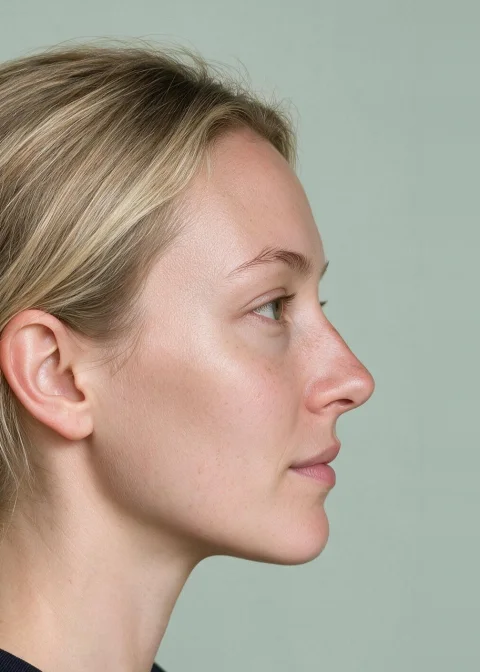
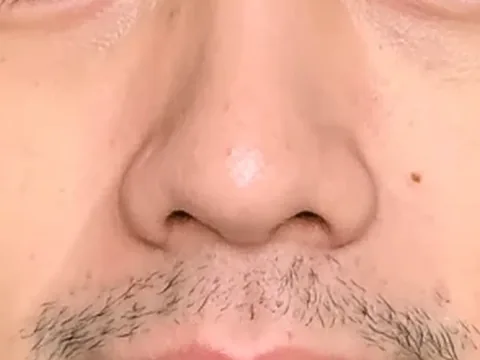
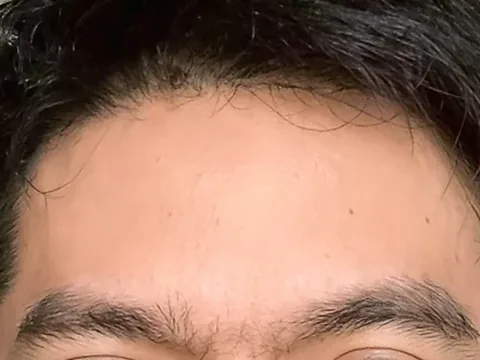
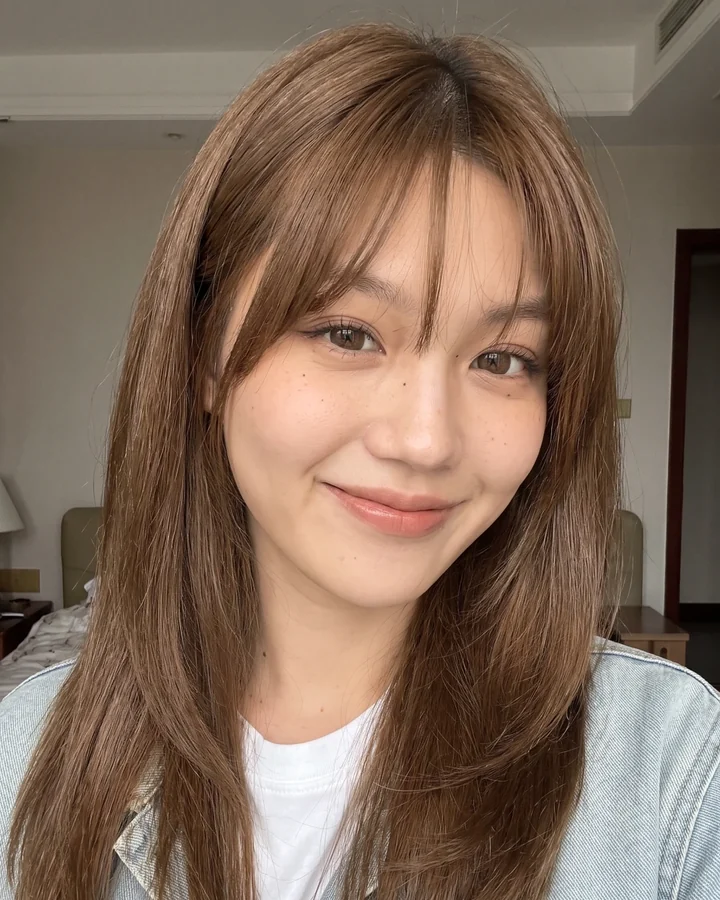
All four example faces, as the analyzer measures them. In a 720-pixel-wide photo an eye is about 70 pixels across, so moving a corner dot by one pixel changes the tilt by about 0.8°, and one pixel of lid height moves the ratio by about 0.1. That is why the tilts below are whole degrees and the ratios one decimal.
Example
Width ÷ height, average
Width ÷ height, left eye in photo
Width ÷ height, right eye in photo
Tilt, left eye in photo
Tilt, right eye in photo
Eyelid in the photo
Shape
Face 1 (woman)
3.0
3.0
3.1
+8°
+9°
Clear crease
Upturned
Face 2 (man)
3.4
3.3
3.4
+1°
+1°
Clear crease
Almond, on the long side
Face 3 (woman)
2.6
2.6
2.6
+9°
+7°
Clear crease
Round, with the upturned tips too
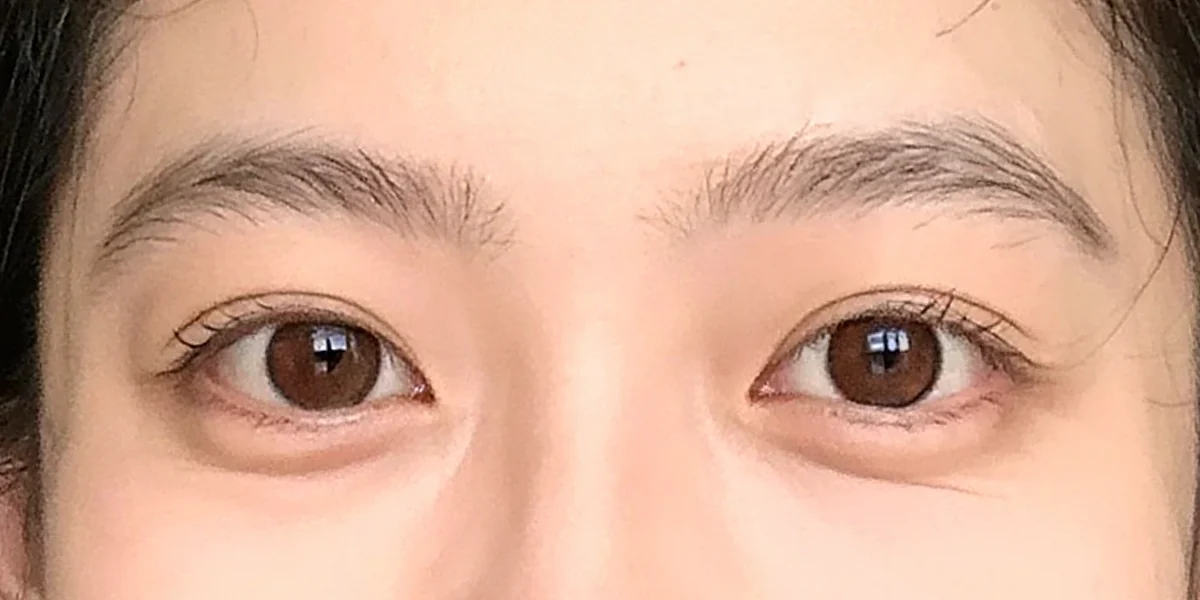
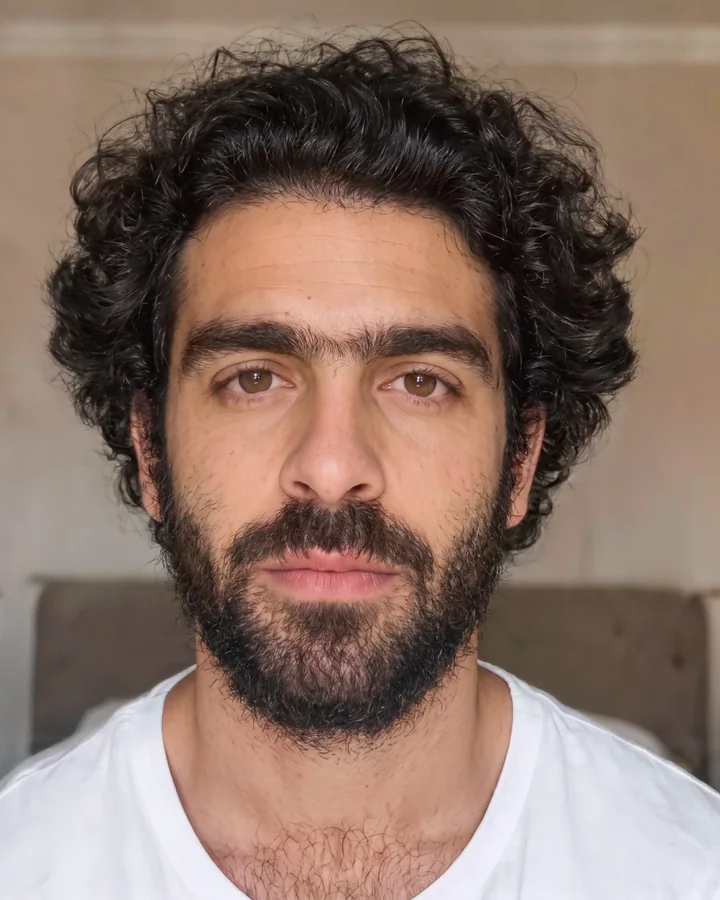
Face 4 (man)
3.1
3.0
3.2
+3°
+4°
Fold over the crease
Hooded
Why phone selfies change your eye shape
If your eyes look one way in the mirror and another in front-camera selfies, two camera habits are usually the reason:
Your outer eye corners curve back
At a close selfie distance the bridge of your nose sits much nearer the lens than your outer eye corners (#33 and #263), which curve back toward your temples. The eyes then measure a little narrower, so the ratio drops and an almond eye can read rounder. Take the photo from further away.
Raising your eyebrows without noticing
Many people raise their eyebrows when they look into a selfie camera. Lifting the brows pulls the lid fold up and shows more lid, so hooded or deep-set eyes can look more open than they are at rest. Relax your forehead before you take the photo.
Sources
Rhee SC, Woo KS, Kwon B (2012).Biometric study of eyelid shape and dimensions of different races with references to beauty. Aesthetic Plastic Surgery, 36(5), 1236–1245.
van den Bosch WA, Leenders I, Mulder P (1999).Topographic anatomy of the eyelids, and the effects of sex and age. British Journal of Ophthalmology, 83(3), 347–352.
Price KM, Gupta PK, Woodward JA, Stinnett SS, Murchison AP (2009).Eyebrow and eyelid dimensions: an anthropometric analysis of African Americans and Caucasians. Plastic and Reconstructive Surgery, 124(2), 615–623.
Farkas LG, Katic MJ, Forrest CR (2005).International anthropometric study of facial morphology in various ethnic groups/races. Journal of Craniofacial Surgery, 16(4), 615–646.