Every point of your face mapped from one selfie, plus a side photo for your profile.
169 tests, region by region
Twelve regions of your face measured, from brows to jawline, plus the age your face reads as.
A natural glow-up on your own face
Hair, brows and skin changed on your photo. Your bone structure stays as it is.
Hairstyles on your own face
The cuts that suit your face shape, side by side.
Brows, beard and makeup
Brow shape, beard length and makeup picked for your features.
A 90-day routine
Hair, skin and grooming steps to follow for 90 days, made for your face.
$29
Basic Readout
Up to 10 front-view tests
Your facial balance breakdown, feature by feature
$59 Recommended
Complete Clinical Dossier
Front and side: all 169 tests
Glow-up and up to 3 hairstyles on your own face
90-day routine and your facial age
$119
Master Suite, the surgery pack
Surgical simulation with a millimetre change map
Surgeon-ready PDF and up to 10 hairstyles
4 re-scans over a year
One payment, no subscription. Every report is checked by our team and ready within 24 hours.
Questions
How is the golden ratio of a face calculated?
Two ratios, each set next to 1.618: face length (hairline to chin) divided by cheekbone width, and mouth width divided by nose width.
Is 1.618 the right number for a face?
No. Real faces sit below it: most adults measure about 1.3 to 1.45 in person, and photos read a little higher. An average face would need to be about a sixth to a fifth longer to reach it.
Why did my numbers change with a closer selfie?
A close phone widens the nose and makes the face look narrower, so it reads longer and the mouth reads smaller next to the nose. CEVO's scan reads your iris size and asks for a retake if the photo was too close.
How the calculator measures your face
How the calculator measures your faceThe two ratios, what real faces measure, why 1.618 doesn't fit them, what a close selfie does, and the studies behind them.
We measure two ratios from 8 dots: face length (hairline to chin) over cheekbone width, and mouth width over nose width. Below: how real faces compare with 1.618, what a close selfie does, and our sources.
Why the 500-year-old 1.618 formula gets modern faces wrong
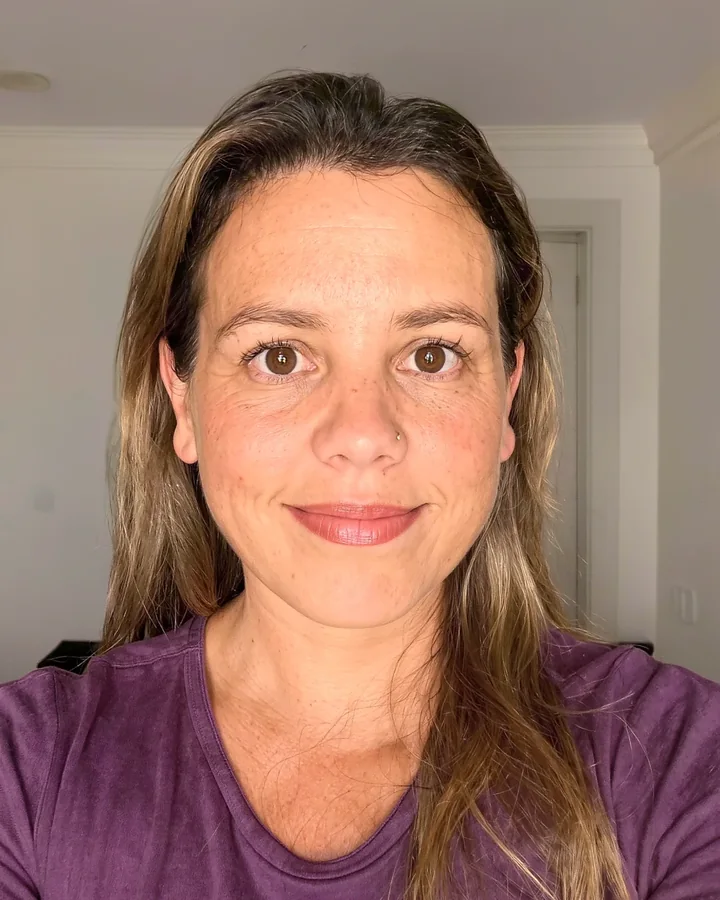
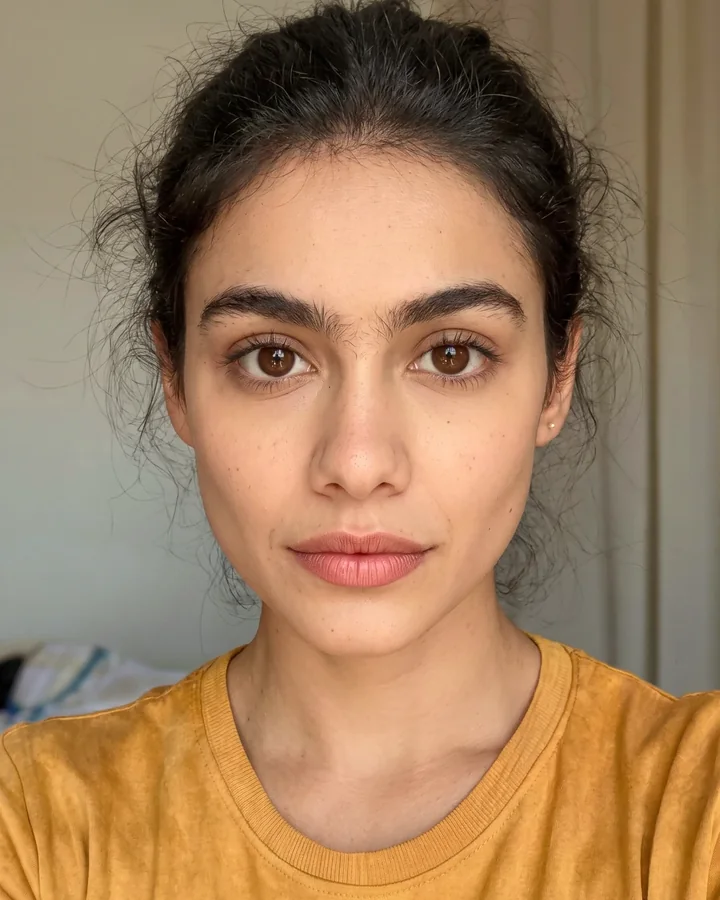
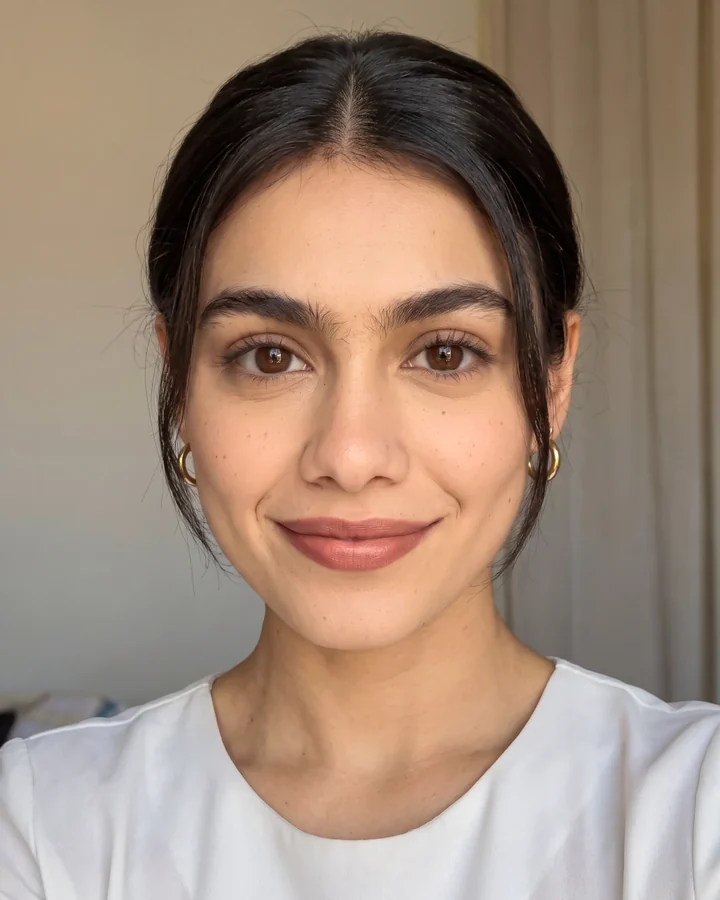
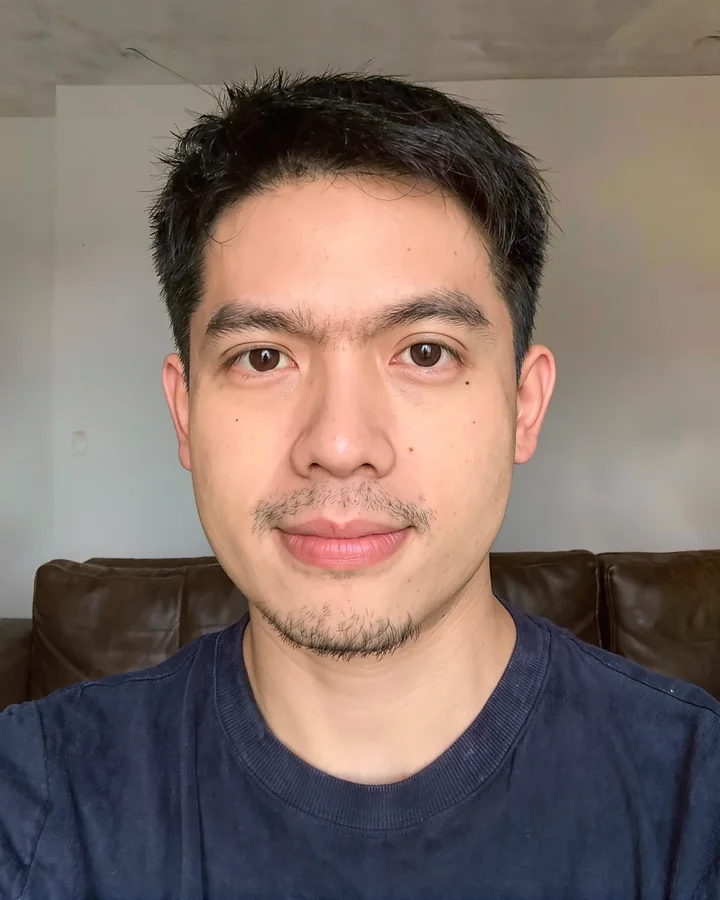
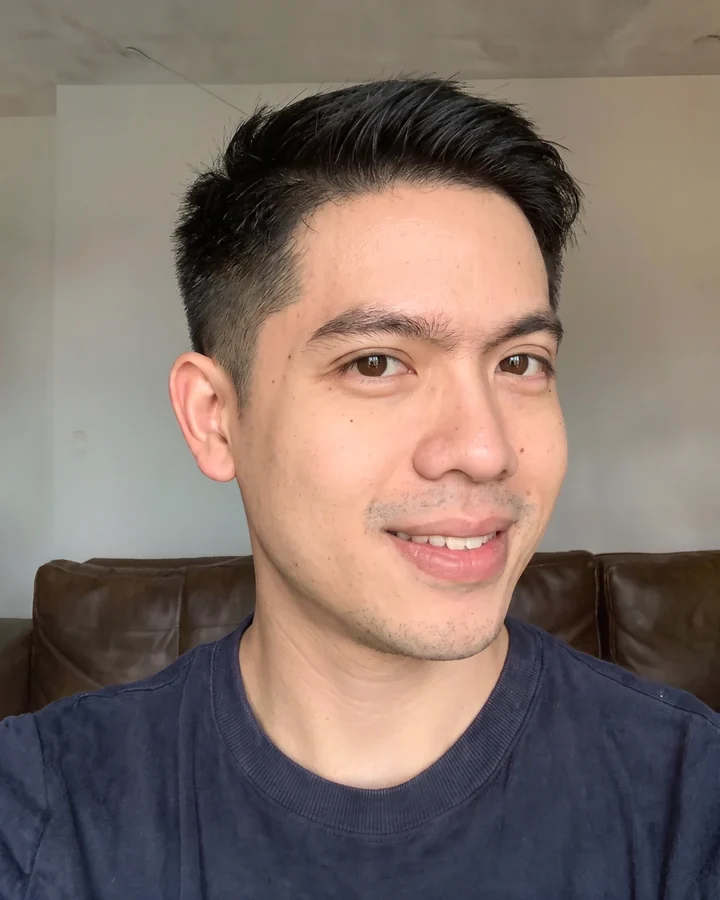
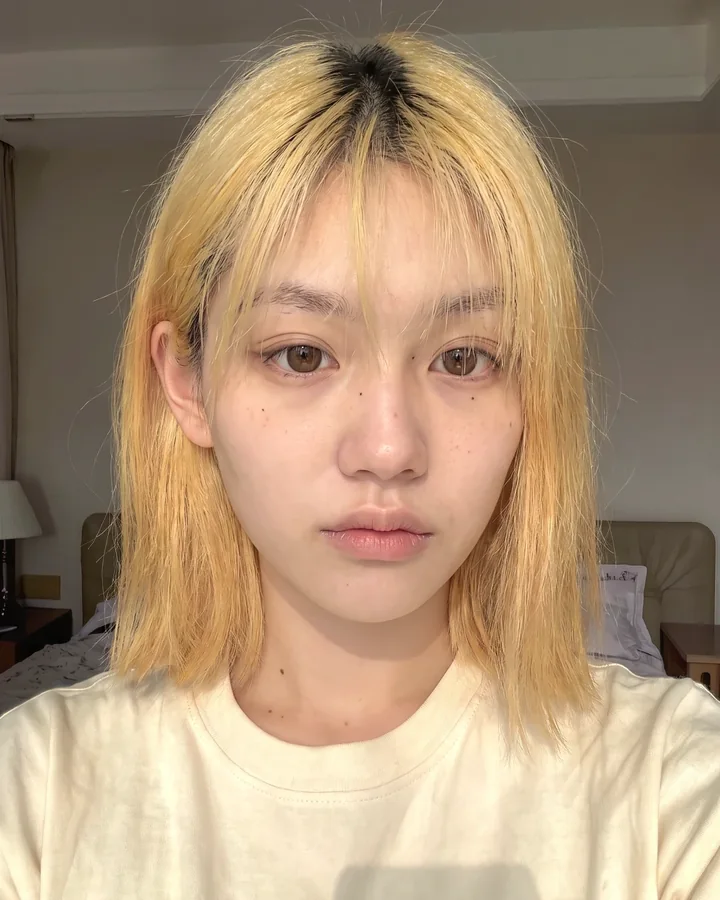
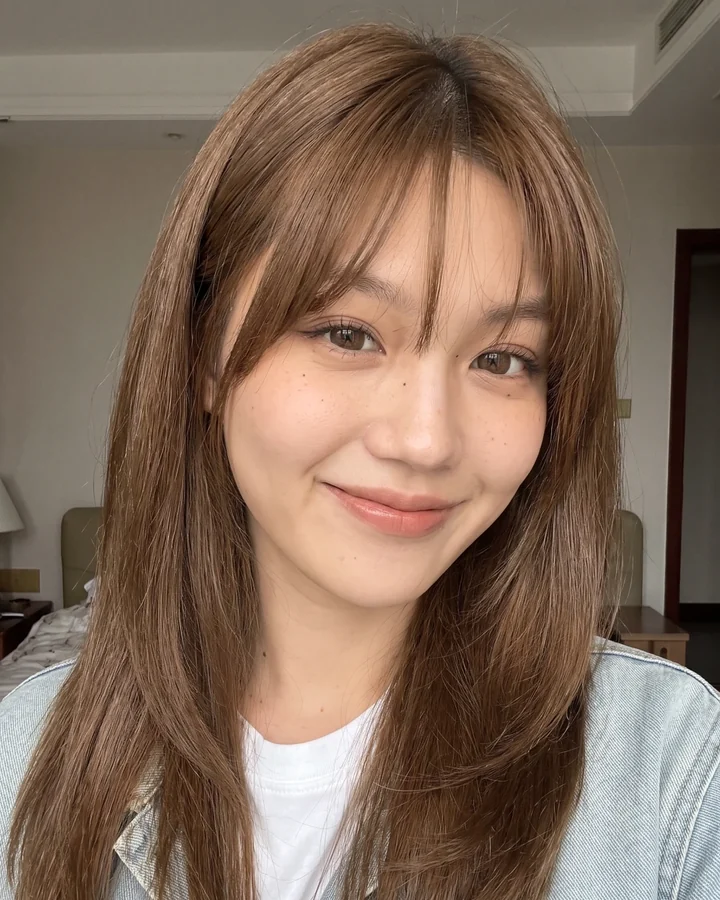
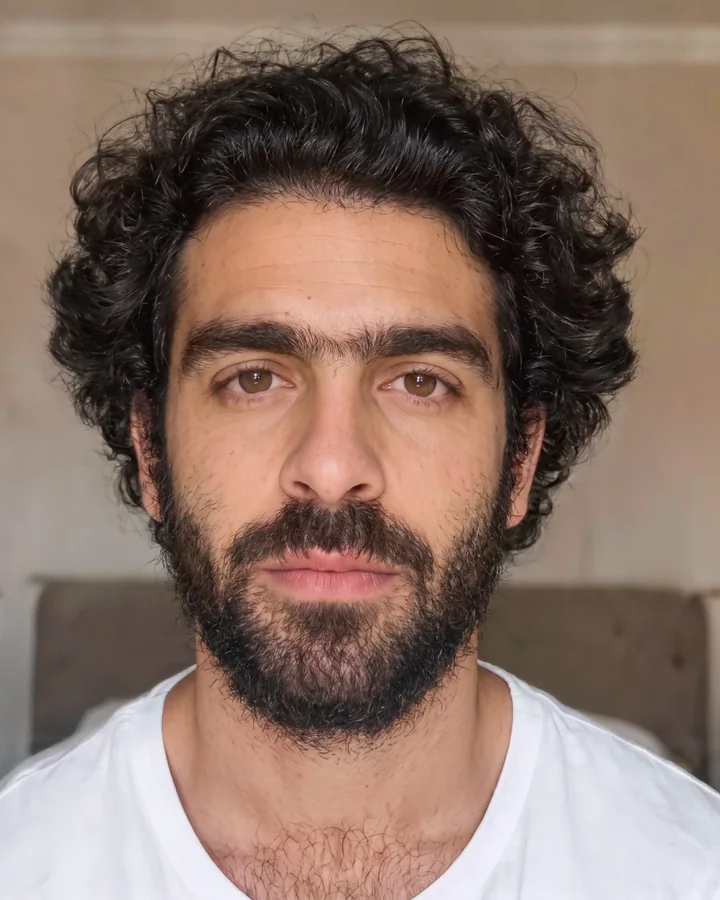
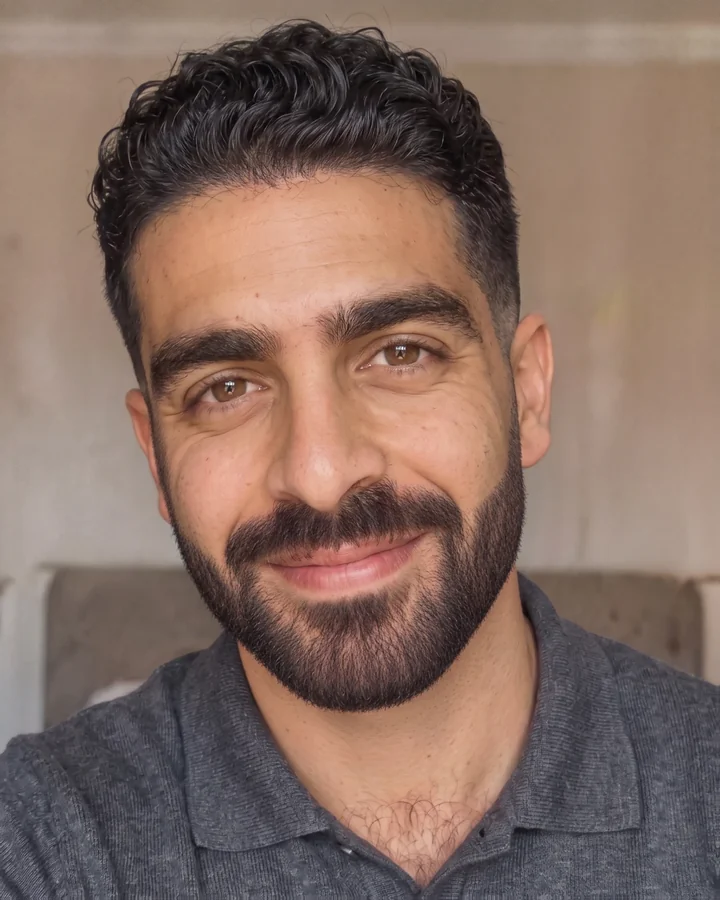
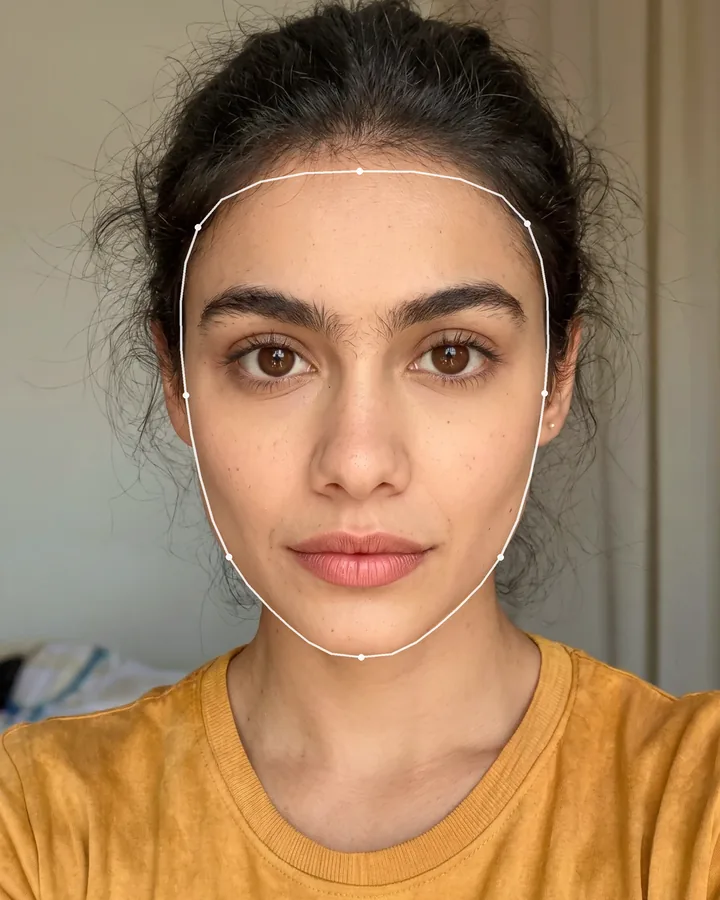
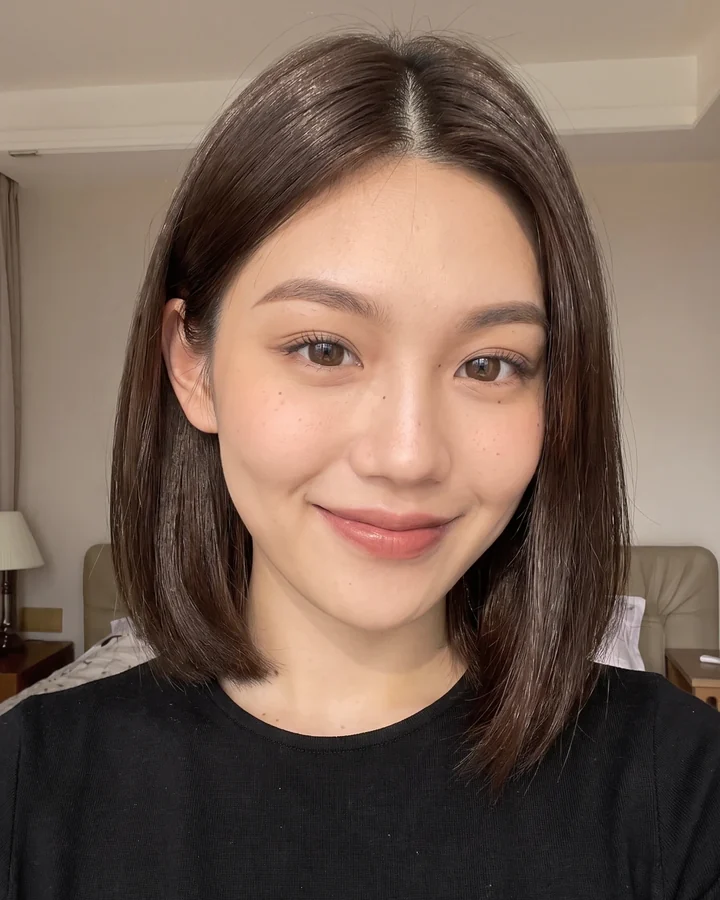
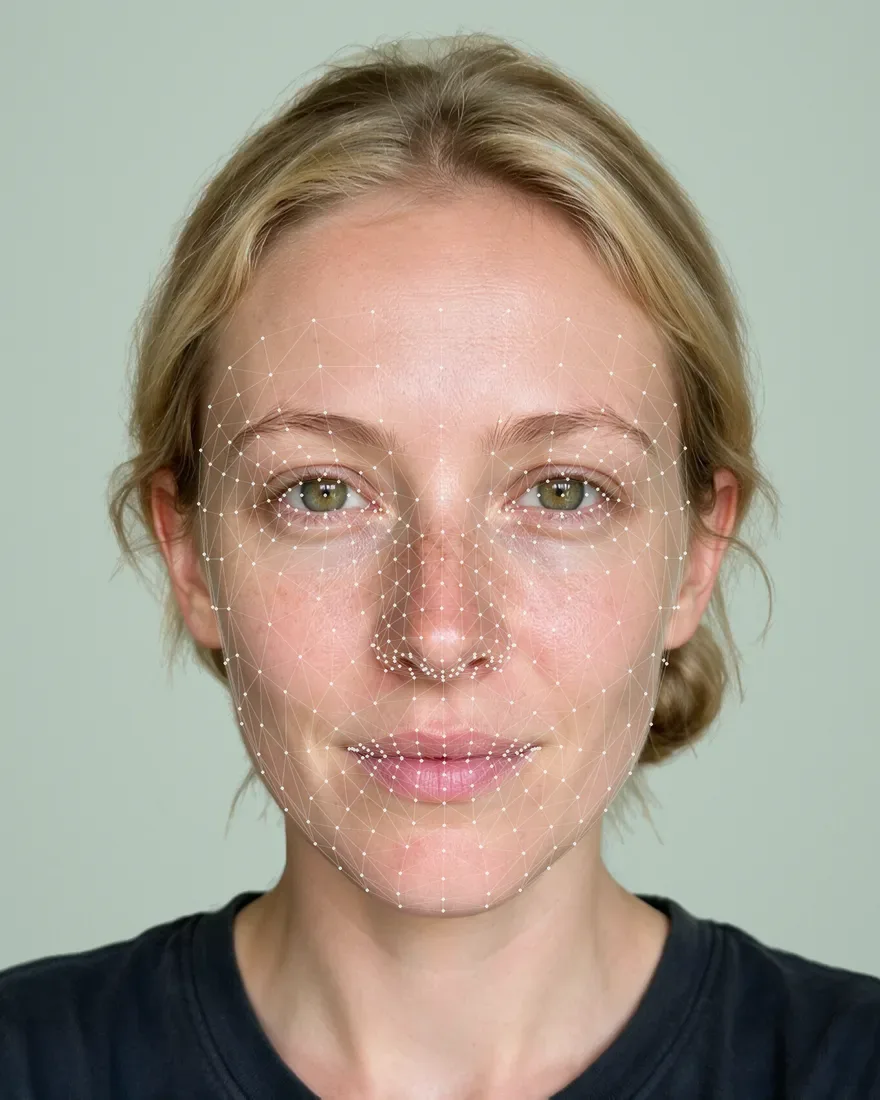
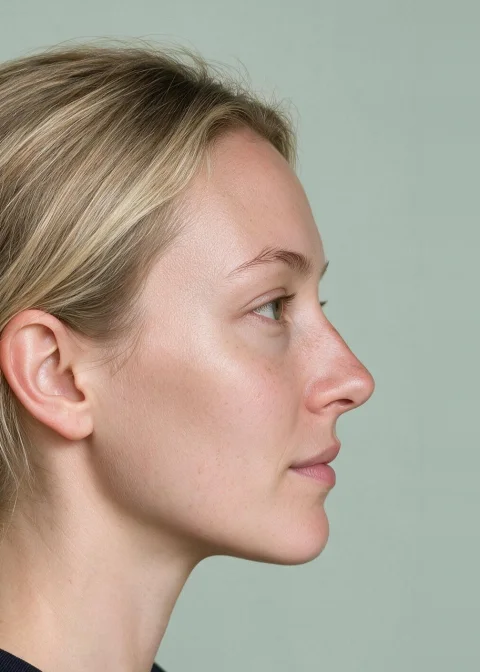
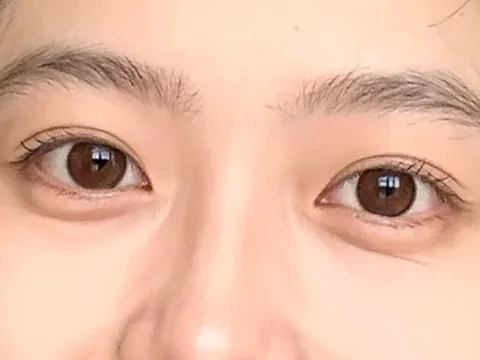
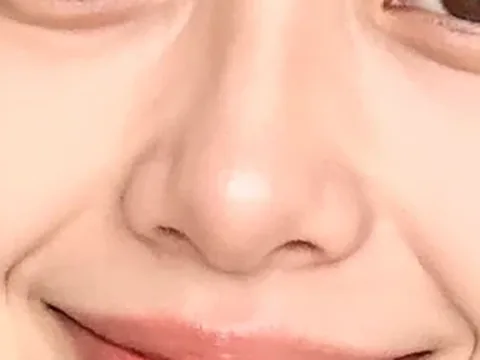
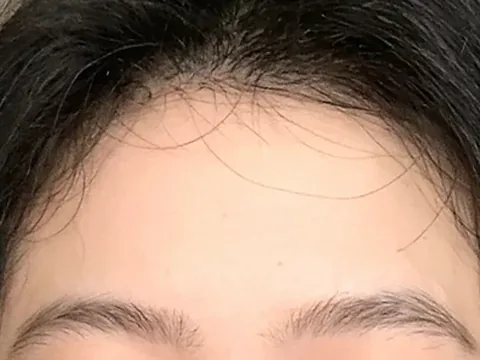
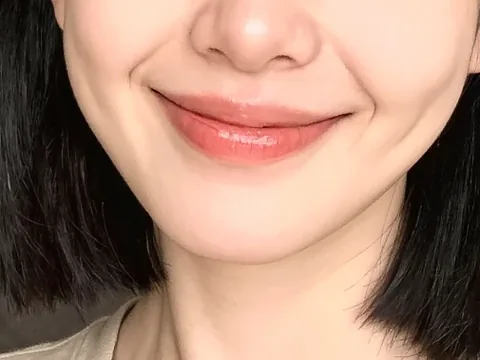
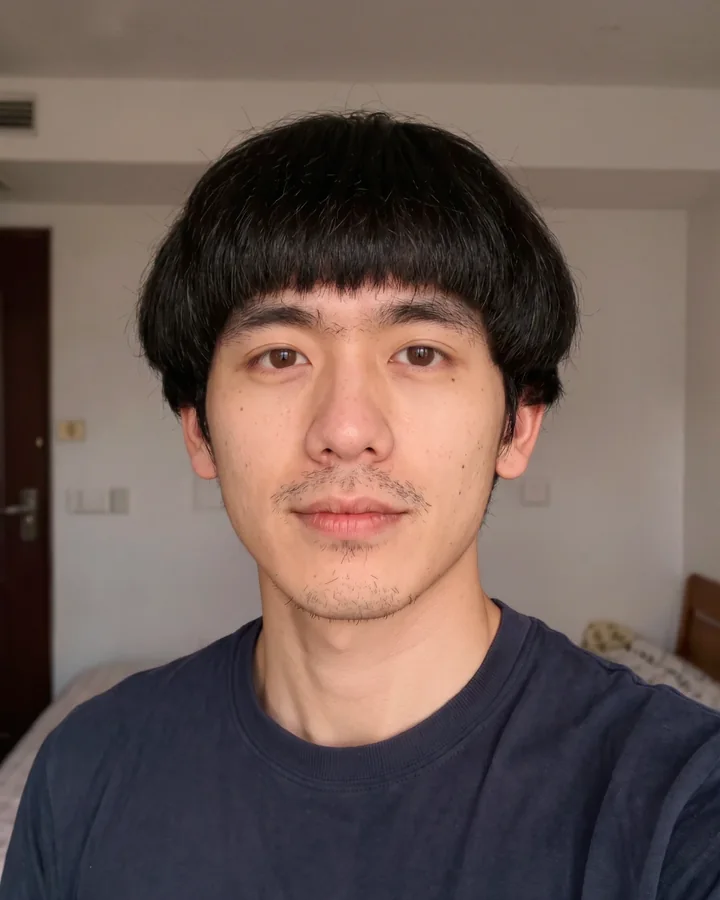
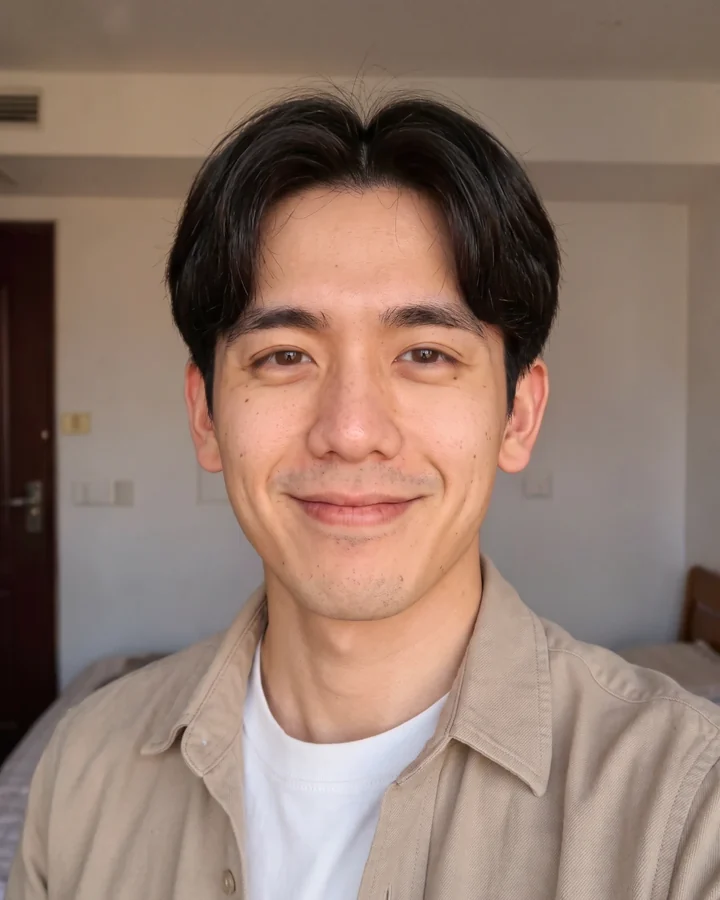
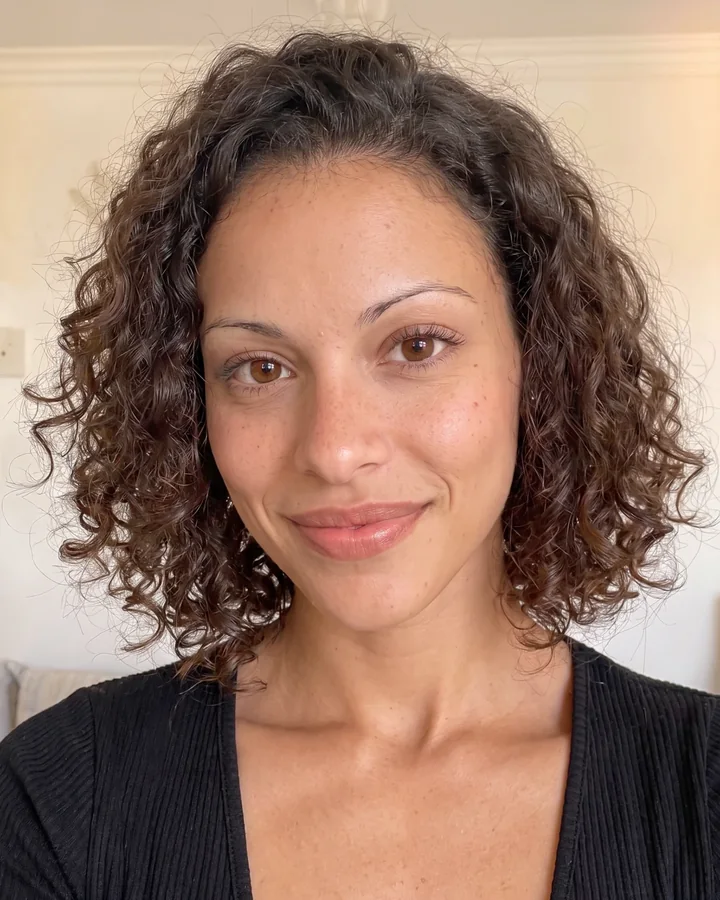
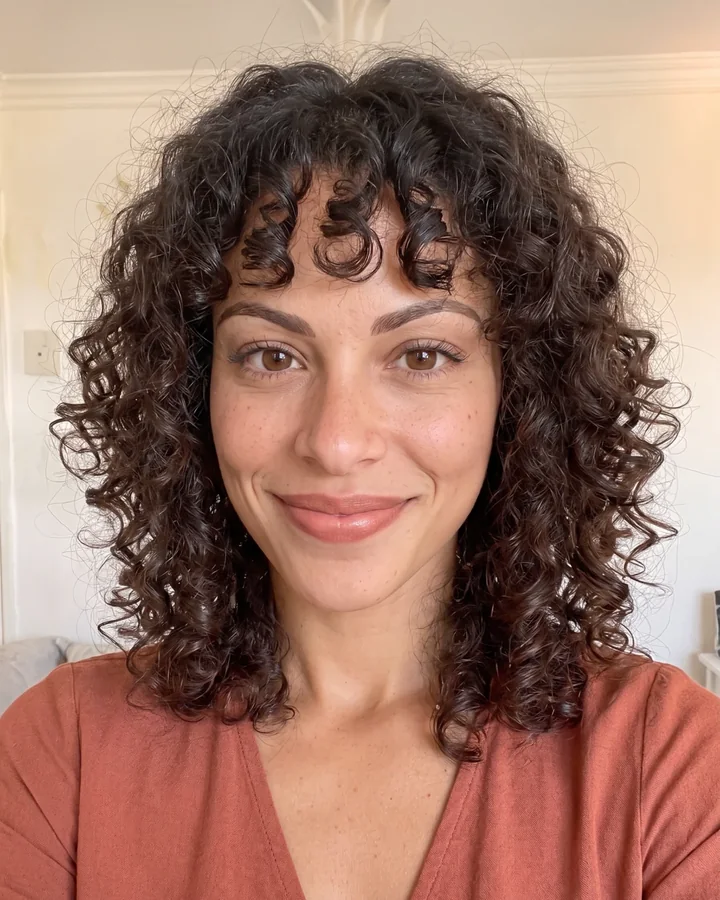
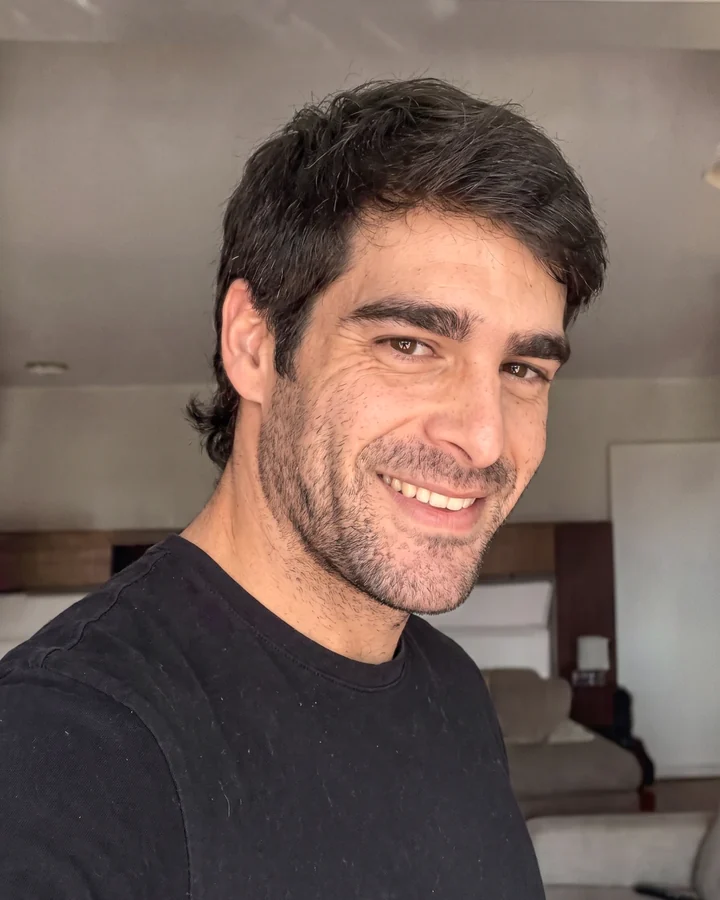
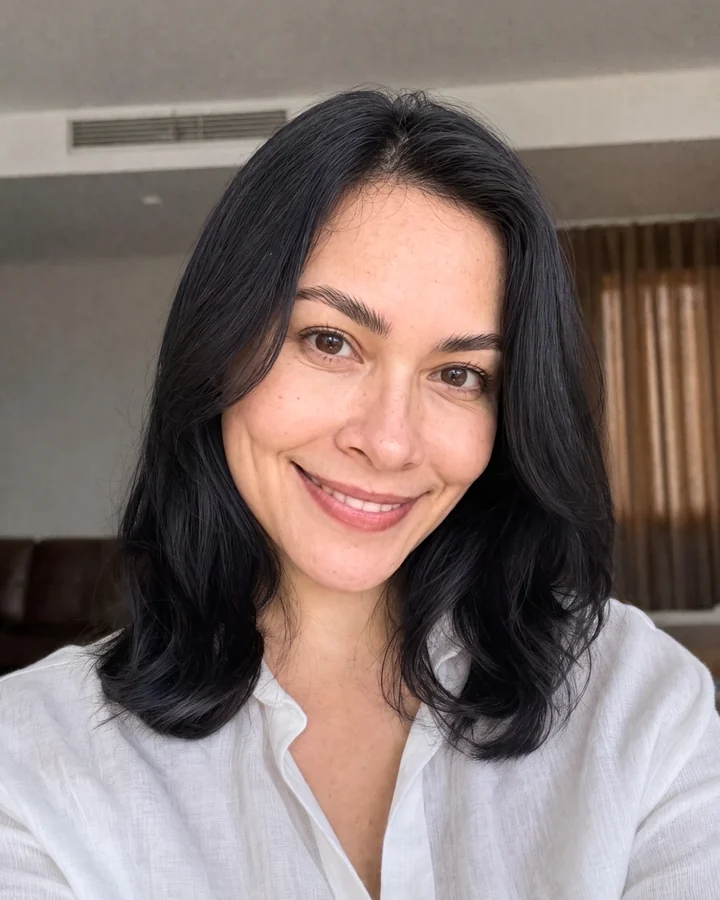
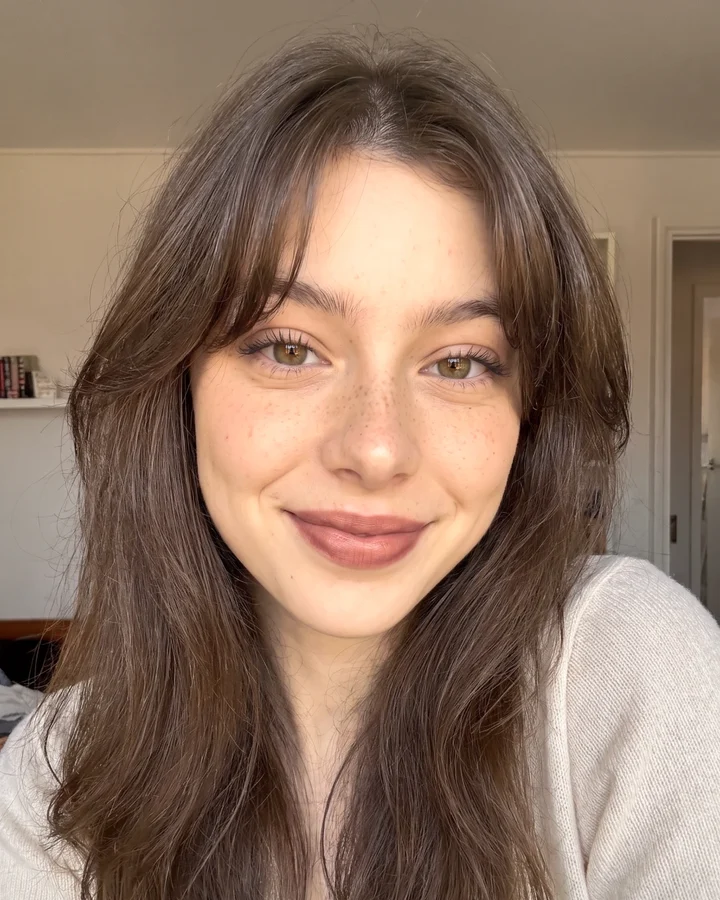
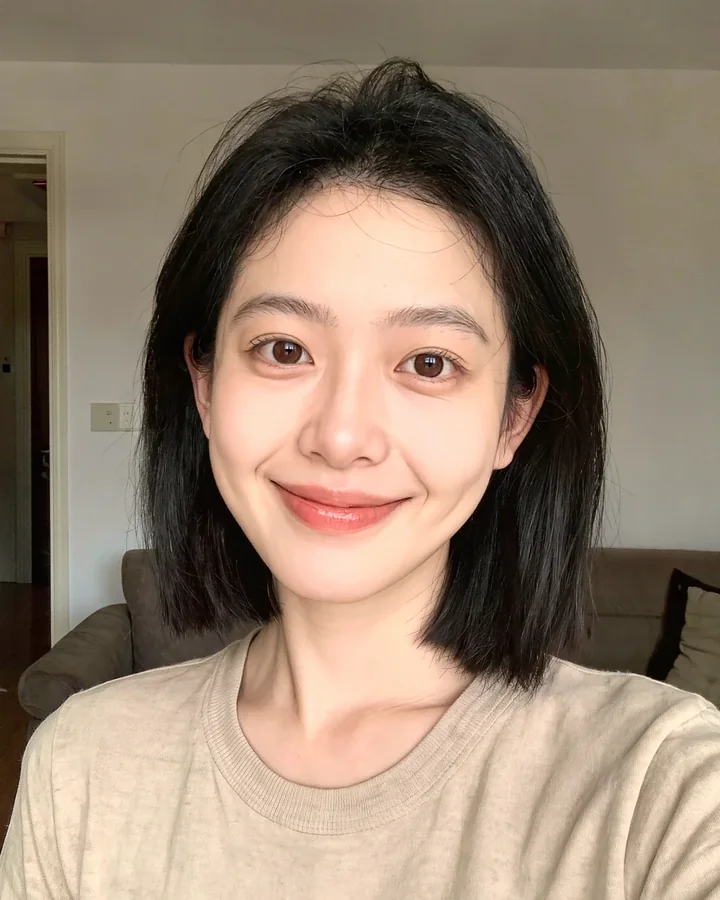
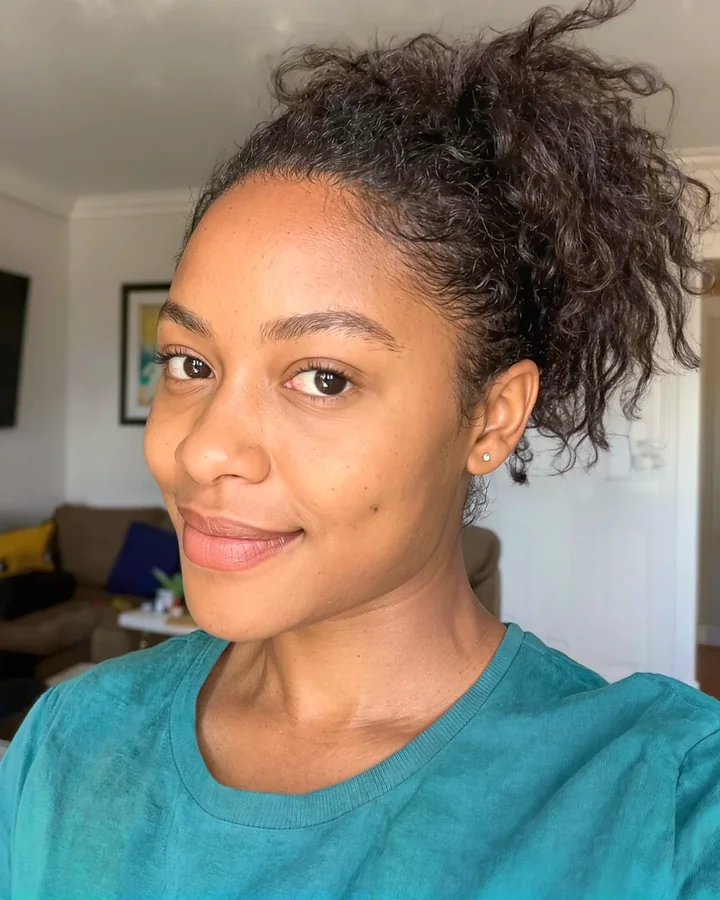
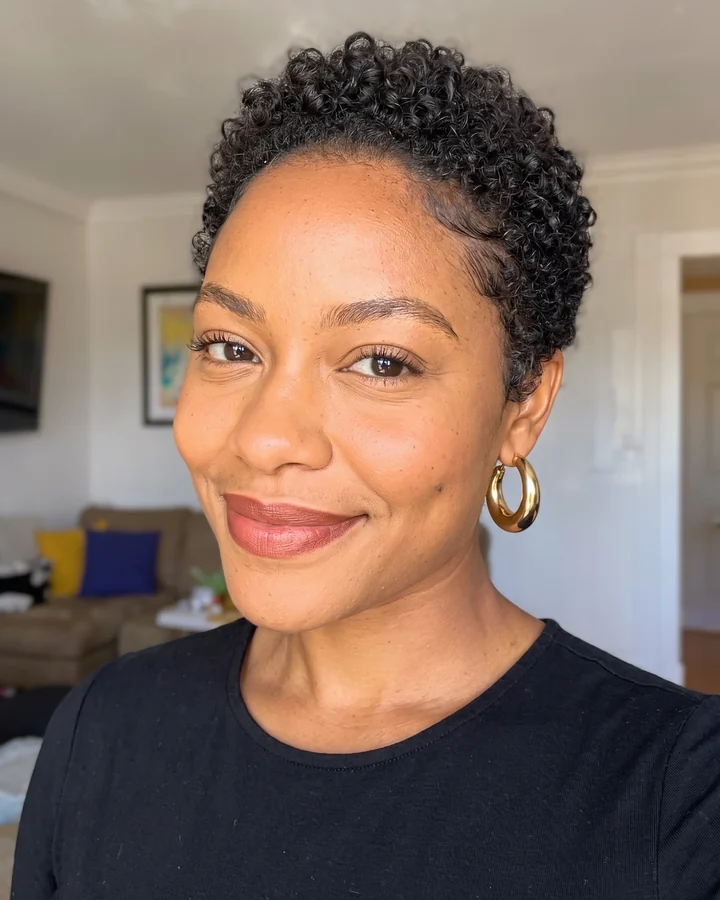
Craniofacial researcher Leslie Farkas (1985, 2005) measured real adult faces, and researchers at the University of California and the University of Toronto (Pallett, Link & Lee 2010, published in Vision Research) tested which proportions people prefer. Neither found faces built on 1.618. People preferred faces where the eyes-to-mouth distance is about 36% of the face length and the pupils sit about 46% of the face width apart, not 61.8%. Here is how the four example faces on this page measure in their photos: all four sit well under 1.618 for length to width. The table below gives in-person averages from a tape measure. A close phone photo makes a face read longer and the nose wider, so a selfie's numbers can drift from them.
Length and width about 1.5 · Mouth and nose about 1.5
Length and width about 1.4 · Mouth and nose about 1.4
Length and width about 1.4 · Mouth and nose about 1.6
Length and width about 1.4 · Mouth and nose about 1.3
Ratio
Classic rule
Real men (average)
Real women (average)
Why the 1.618 rule fails
Face length ÷ cheekbone width
1.618
1.38 ± 0.07 (typical 1.31–1.45)
1.35 ± 0.06 (typical 1.29–1.41)
A 1.618 ratio requires a 223 mm long face on 138 mm cheekbones, which would look stretched and narrow.
Mouth width ÷ nose width
1.618
1.46 ± 0.11 (typical 1.35–1.57)
1.48 ± 0.10 (typical 1.38–1.58)
Healthy nostril width varies by ancestry (32 mm to 43 mm). A single 1.618 target doesn't fit that range.
Why a close phone selfie shifts your golden ratio numbers
Even if a website measures your pixels accurately, an arm's-length front-camera selfie shifts every horizontal ratio on your face:
A wider-looking nose lowers your mouth ÷ nose ratio
Your nose sits closer to the phone lens than your mouth corners, so the nose looks about 4% wider and the jaw about 3% narrower at 30 cm than at 1.5 m (CEVO's selfie study; measured against the cheekbones, Ward et al. 2018 put the nose at about 30%). The mouth doesn't widen by as much, so the mouth ÷ nose ratio comes out lower than it is.
Narrower-looking cheekbones make your face read longer
Your outer cheekbones sit further back than your nose tip, so a close selfie shrinks how wide the face looks, and face length ÷ width comes out higher. CEVO's scan reads your iris size to tell how close the camera was, and asks for a retake if the photo was taken too close.
Sources
Pallett PM, Link S, Lee K (2010).New "golden" ratios for facial beauty. Vision Research, 50(2), 149–154.
Farkas LG, Hreczko TA, Kolar JC, Munro IR (1985).Vertical and horizontal proportions of the face in young adult North American Caucasians: revision of neoclassical canons. Plastic and Reconstructive Surgery, 75(3), 328–338.
Farkas LG, Katic MJ, Forrest CR, et al. (2005).International anthropometric study of facial morphology in various ethnic groups/races. Journal of Craniofacial Surgery, 16(4), 615–646.
Ward B, Ward M, Fried O, Paskhover B (2018).Nasal Distortion in Short-Distance Photographs: The Selfie Effect. JAMA Facial Plastic Surgery, 20(4), 333–335.