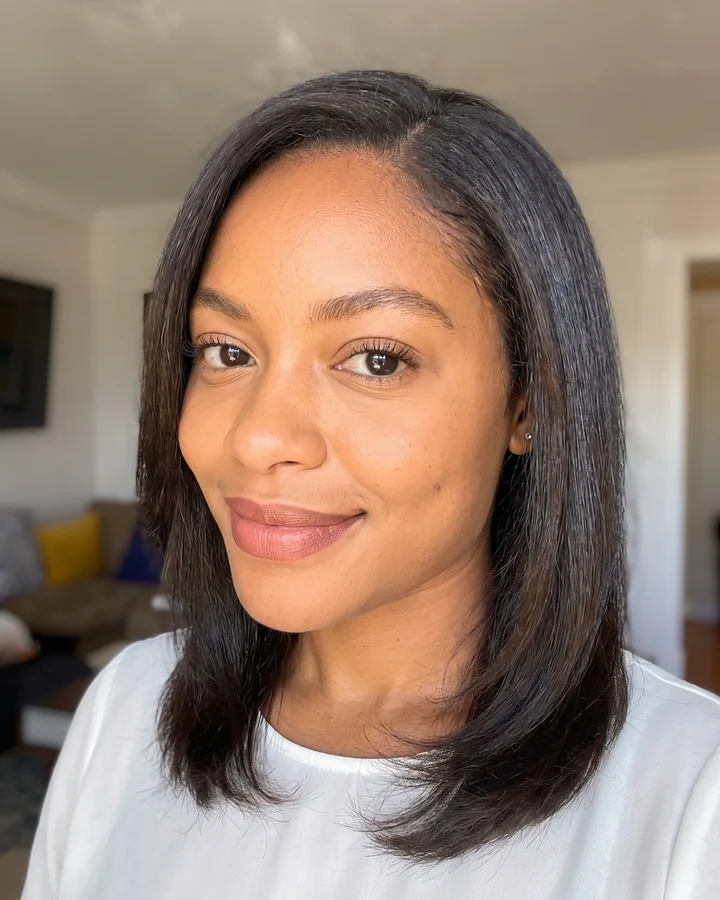
Keep the neckline below the jaw
Set the beard neckline a little above the crease where your chin meets your neck. Shaving it up onto the jawbone hides the corner.
Pick an example or add a side photo. The chin dot finds your outline; check the ear and jaw-corner dots and drag them where needed.
Free, and your photo never leaves this device.
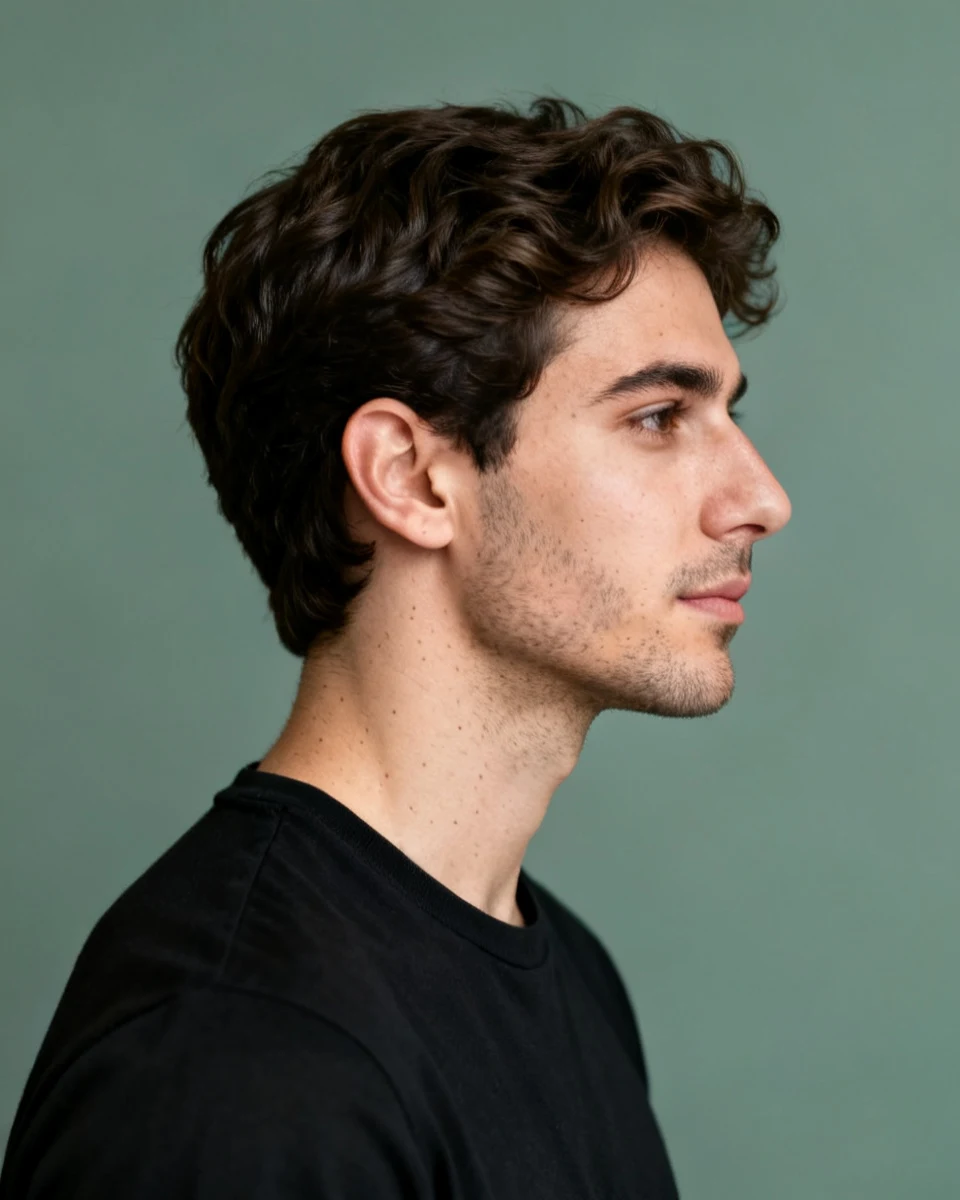
Drag any dot to fine-tune it. The result updates as you go.
This jaw corner
Typical
This jaw corner is in the range most people have: a clear bend below the ear, neither sharp nor wide.
What changes how it looks
See what suits your whole face, free
A jaw corner is one part of a face. One selfie gives your face shape, your strengths and your first tips. CEVO's side-view tests add a side photo like this one and read your jaw from the side.
Start free scanDrag a pin, or select it and use the arrow keys.
See what suits your face, free
Start free scanYour bones stay the same. These looks change what people notice first. CEVO's 169-test reports show a look like this on your own face.
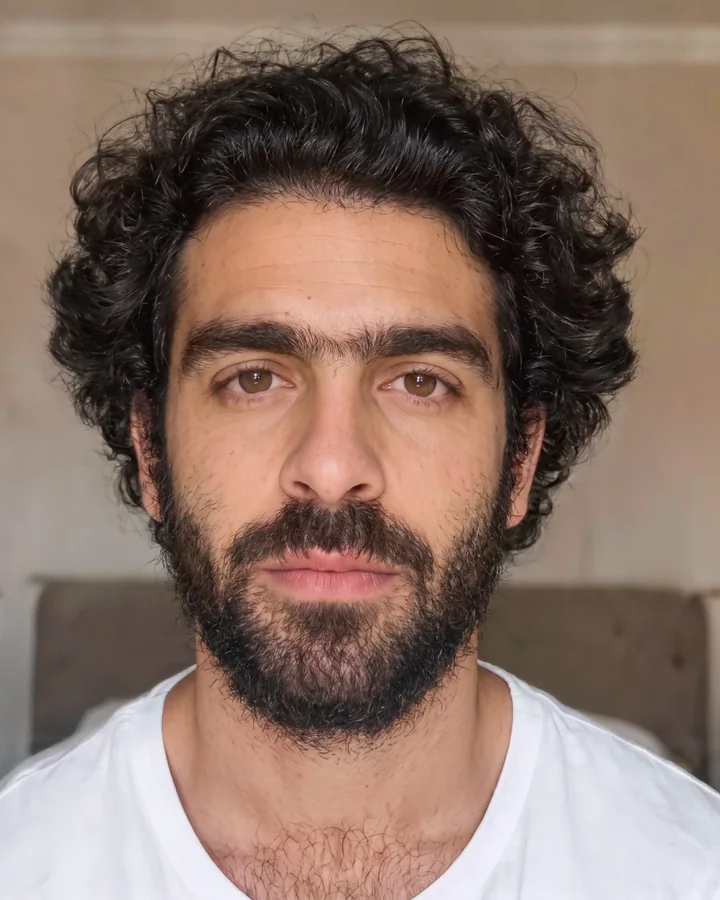

From the front, a beard trimmed to a clean edge draws a line along the jaw out to the corners, and short sides keep the jaw corners in view.
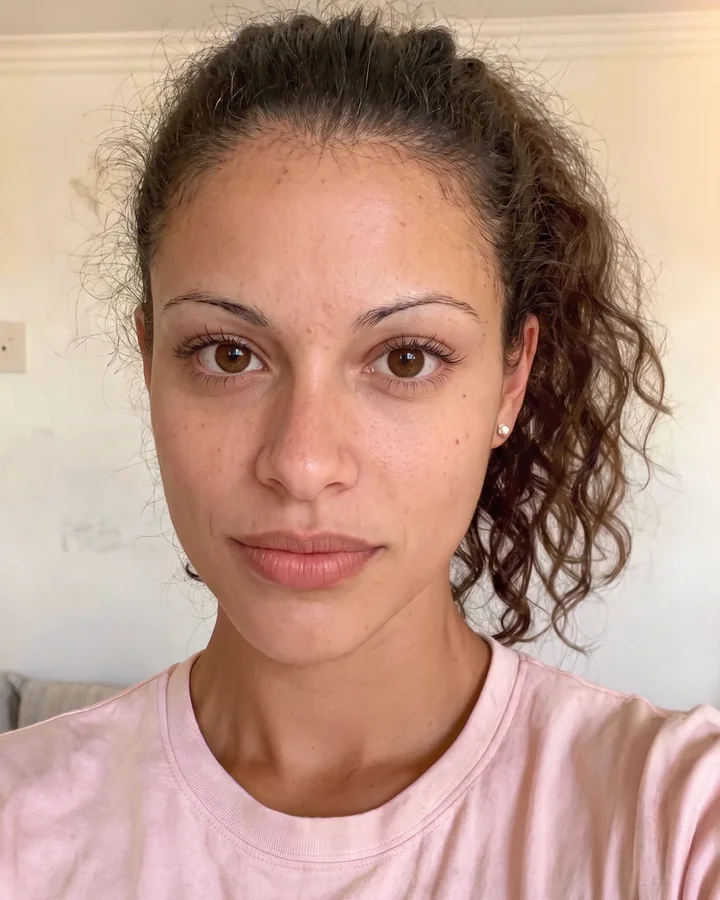
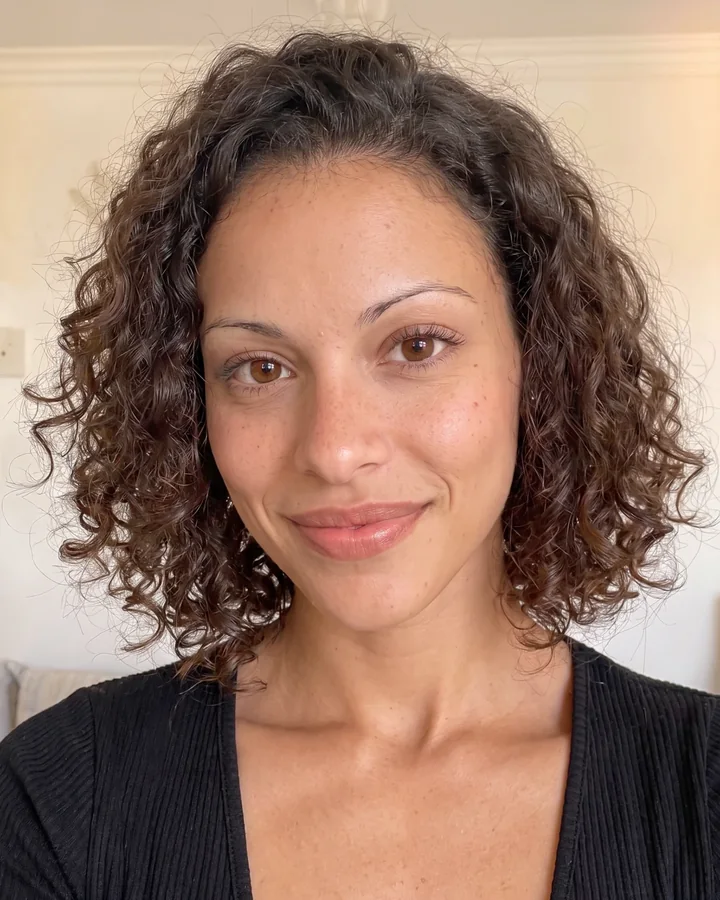
The edge of the hair sits level with the jaw line, so from the front the eye follows the jaw out to its corners.
Tap a type to see what suits it.
This example
The range most people have: a clear bend below the ear, neither sharp nor wide.

Prop your phone at eye level, about 1.5 m away. Too close, and CEVO asks for another photo.
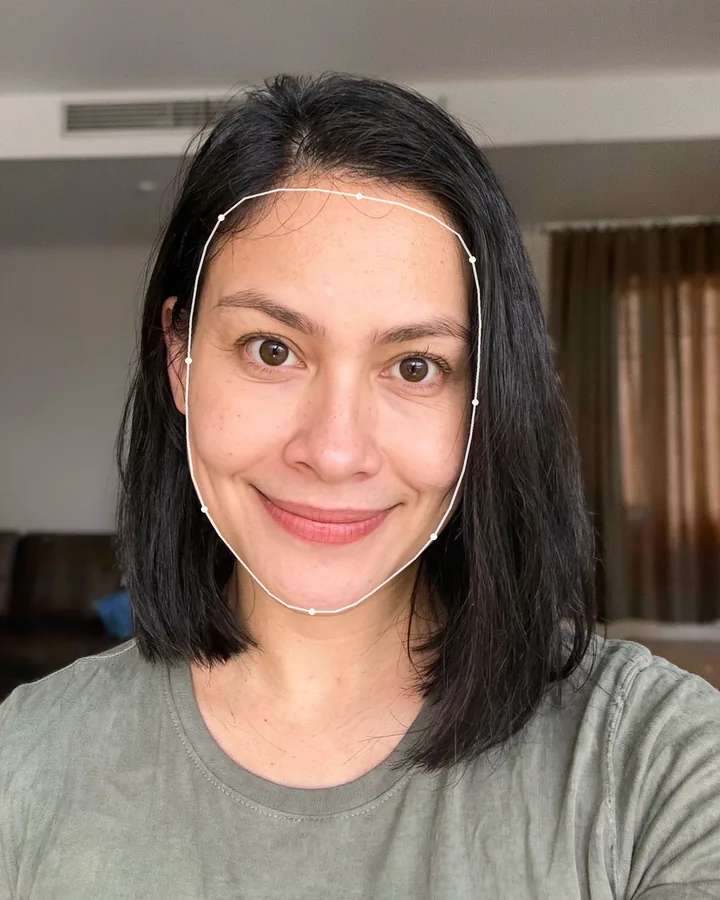
Free: your face shape, your strengths and your first tips, in plain words.

See how many more tips are waiting for you. Unlock them only if you want them.
Start with one selfie
Your face shape and what suits you, free.
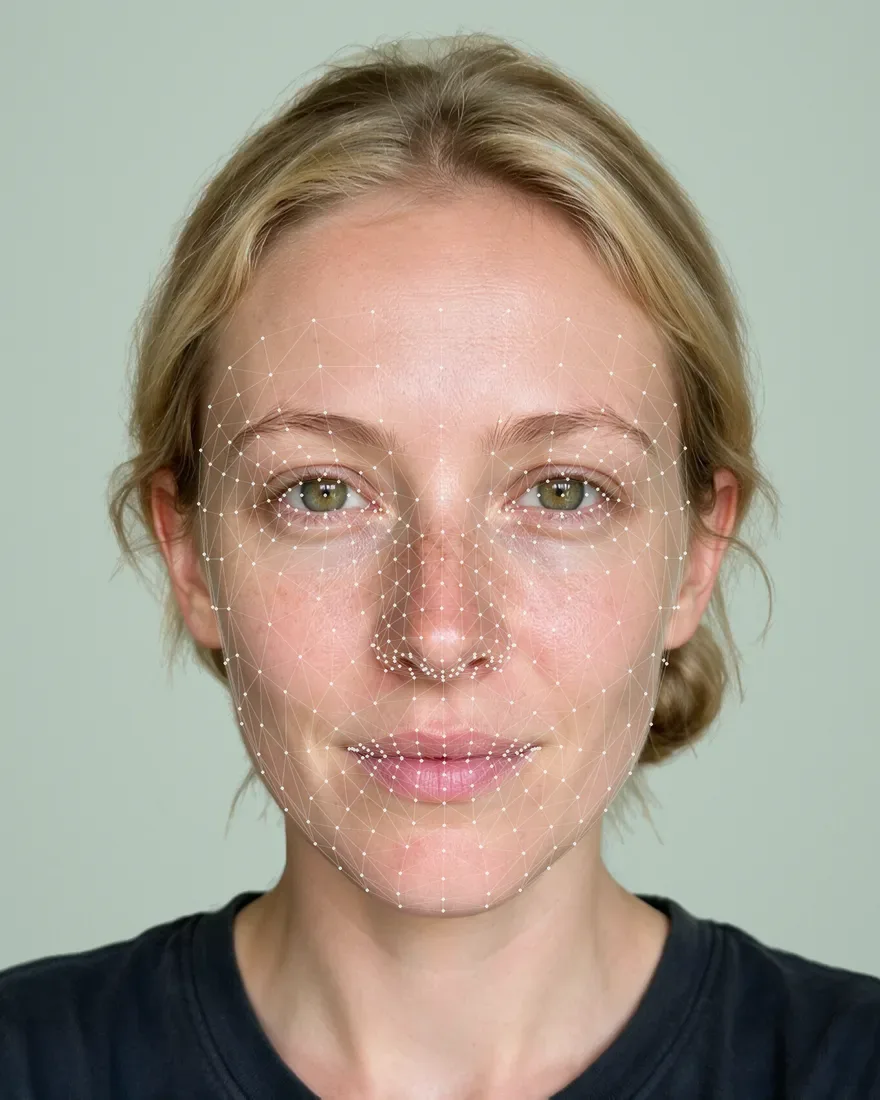
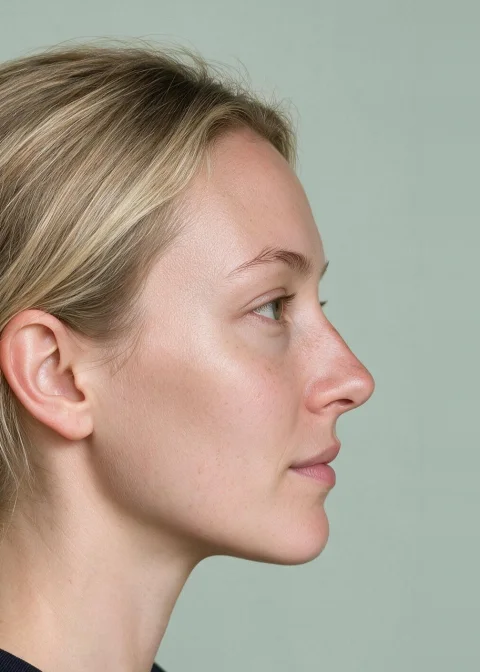
Every point of your face mapped from one selfie, plus a side photo for your profile.
Twelve regions of your face measured, from brows to jawline, plus the age your face reads as.
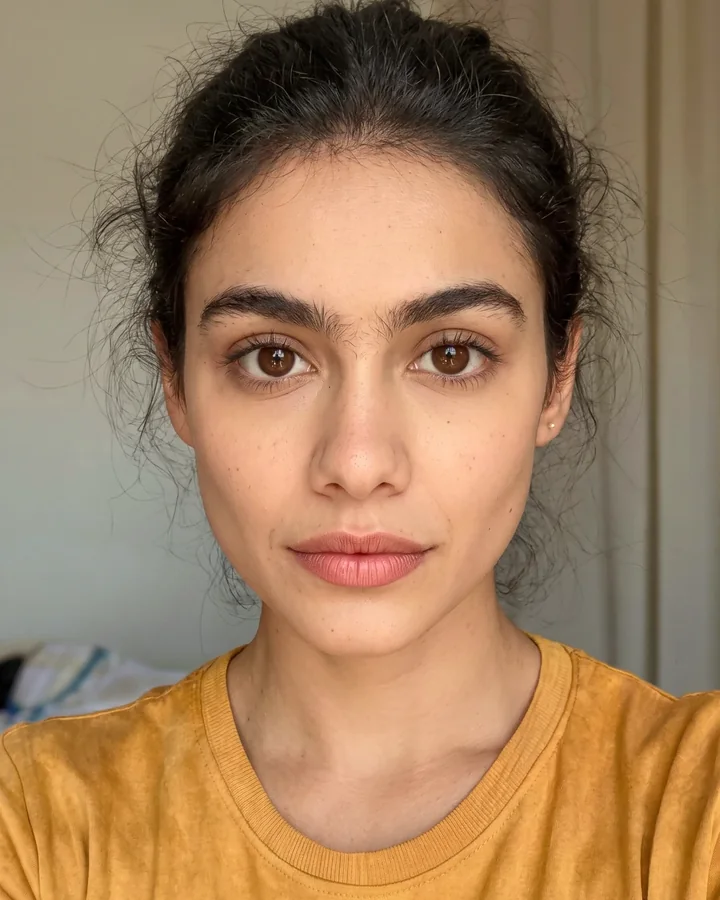

Hair, brows and skin changed on your photo. Your bone structure stays as it is.

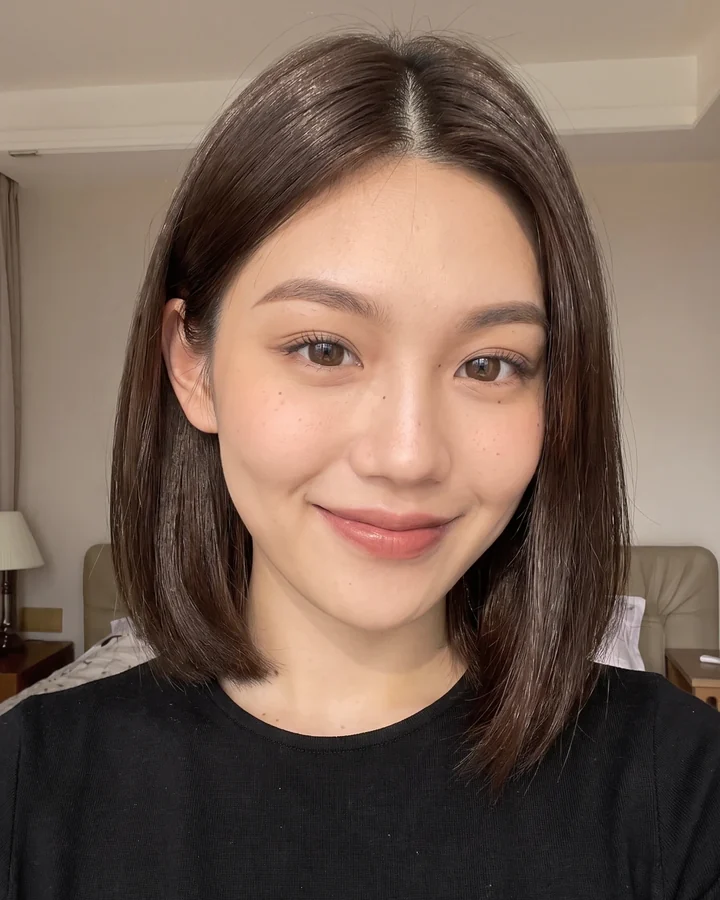

The cuts that suit your face shape, side by side.
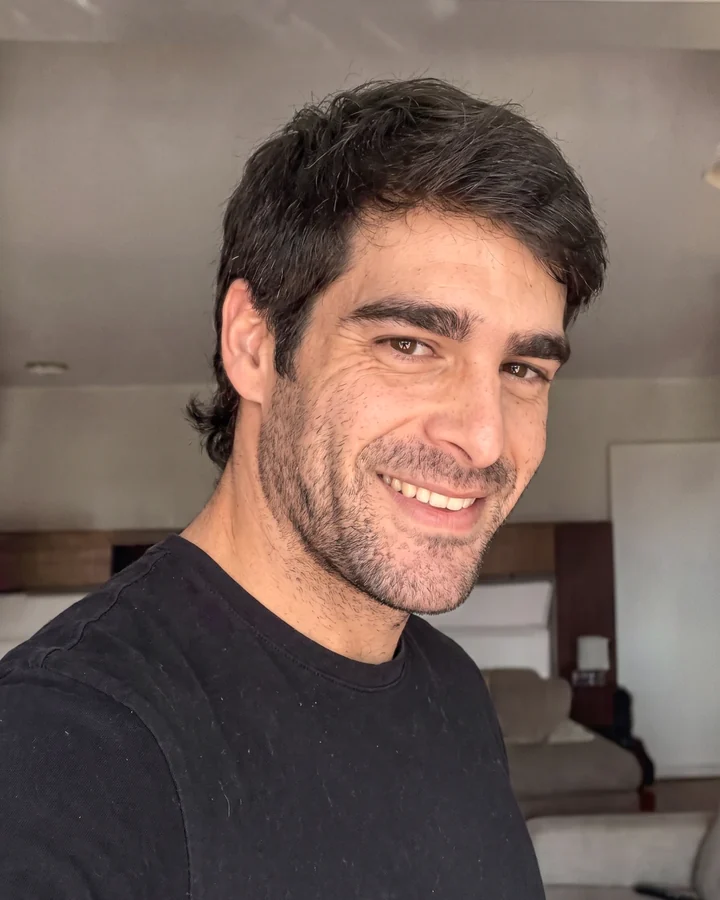

Brow shape, beard length and makeup picked for your features.

Hair, skin and grooming steps to follow for 90 days, made for your face.
$29
$59 Recommended
$119
One payment, no subscription. Every report is checked by our team and ready within 24 hours.
The corner of your jaw below your ear, where the jawbone turns toward your chin. A lower number means a squarer corner; a higher number, a more open one.
For men about 122°, with most between 117° and 128°. For women about 126°, with most between 120° and 131°.
Not the bone. It changes how much of it you can see: less soft padding under the jaw lets the corner and the shadow below it show more clearly.
Keep the neckline a little above your neck crease, never up on the jawbone. Leave extra length at the corner below your ear, cut straight toward the chin.
A close phone is nearer your nose than your jaw, so the jaw looks smaller. A small head turn also changes the angle. Stand side-on, about 1.5 m (5 ft) away, zoomed in to head and shoulders.
We measure the angle at your jaw corner, from your ear to your chin. Below: where your angle sits next to other people's, the ranges, and our sources.
Men avg 122.4° ± 5.2° (typical 117°–128°) · Women avg 125.8° ± 5.4° (typical 120°–131°)
Typical range: the average ± 1 SD
When people talk about a "strong jawline," they often mean the corner where the back of the jawbone turns toward your chin: the gonial angle, from your ear to your jaw corner to your chin. The calculator reads it from three dots on your photo. It is an angle, so it needs no ruler.
tragus)The small flap in front of your ear canal. The vertical back of your jawbone (the ramus) drops down from just in front of it.gonion)The back corner of your jawbone right below your ear, where the ramus turns forward to become the bottom edge of your jawline. The angle measured here is your gonial angle.menton)The lowest point of your chin. A lower angle means a squarer, sharper corner; a higher angle means a wider, more open corner.Gonial angle = ∠(tragus, gonion, menton)
A 110° jaw corner is often called ideal online. Upadhyay et al. (2012) measured adult jaws on X-rays and found averages of 122.4° for men and 125.8° for women, with most faces within about 5° of those. These averages come from X-rays of the bone. Dots on a photo sit on the skin, so treat your number as a guide within a few degrees.
The calculator uses the bands below: inside one standard deviation of the average, rounded to whole degrees, reads Typical. For men 122.4° ± 5.2° spans 117.2°–127.6°, read as 117°–128°; for women 125.8° ± 5.4° spans 120.4°–131.2°, read as 120°–131°. Within 1° of a band edge it says your corner sits between the two types.
| Jaw corner | Men | Women | How it looks |
|---|---|---|---|
| Square | below 117° | below 120° | The jaw drops nearly straight down from the ear and turns sharply toward the chin. |
| Typical (average ± 1 SD, Upadhyay 2012) | 117°–128° avg 122.4° ± 5.2° |
120°–131° avg 125.8° ± 5.4° |
A clear bend below the ear, neither sharp nor wide. |
| Open | above 128° | above 131° | A wider bend, with the jaw line running at a longer slant toward the chin. |
Chewing gum and face exercises don't change the bone. Two people with the same angle can still look different, because the soft padding under the jaw sits right over the corner. More padding rounds the corner off in photos; less of it lets the corner and the shadow under the jaw show. Losing body fat thins that padding over a few months. The bone angle stays the same.
Set the beard neckline a little above the crease where your chin meets your neck. Shaving it up onto the jawbone hides the corner.
If your corner reads Open, keep the beard slightly longer right below the ear and cut a straight line toward the chin. A rounded strap along the jaw softens the corner further.
A high skin fade leaves the sides of the head bare and draws the eye down to the jaw. A low taper or scissor-cut sides keep the eye on the whole jaw line rather than the corner.
Leaning your head forward toward a screen pushes the skin under your chin down over the jaw line. With your ears over your shoulders the skin under the chin pulls tight and the corner shows.
Ward et al. (2018) showed that a photo taken from about 30 cm (12 in) makes the nose look wider than one taken from about 1.5 m (5 ft). From the side, whatever sits closest to the lens also looks bigger.
Turning your head even a little off a true side view also changes the angle the camera sees, because the jaw corner and the chin no longer lie flat to the lens. Turn your whole body sideways, keep your head level, and have the photo taken from about 1.5 m away, zoomed in so your head and shoulders fill it.
What the CEVO scan does: The scan at cevolab.com/start reads your iris size to tell how close the camera was, and asks for a retake if the photo was taken too close.
Upadhyay RB, Upadhyay J, Agrawal P, Rao NN (2012). Evaluation of gonial angle in relation to age and gender on lateral cephalograms and orthopantomograms. Journal of Forensic Dental Sciences, 4(1), 29–33.
Ward B, Ward M, Fried O, Paskhover B (2018). Nasal Distortion in Short-Distance Photographs: The Selfie Effect. JAMA Facial Plastic Surgery, 20(4), 333–335.
A few minutes: your face shape, your strengths and your first tips.
Start free scan