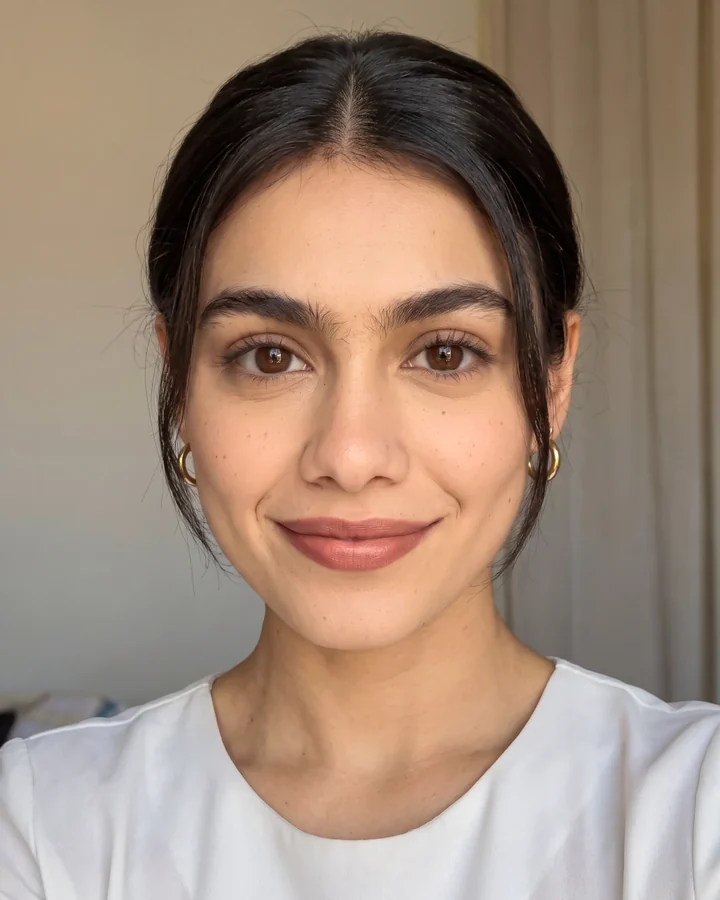
Teeth together in side photos
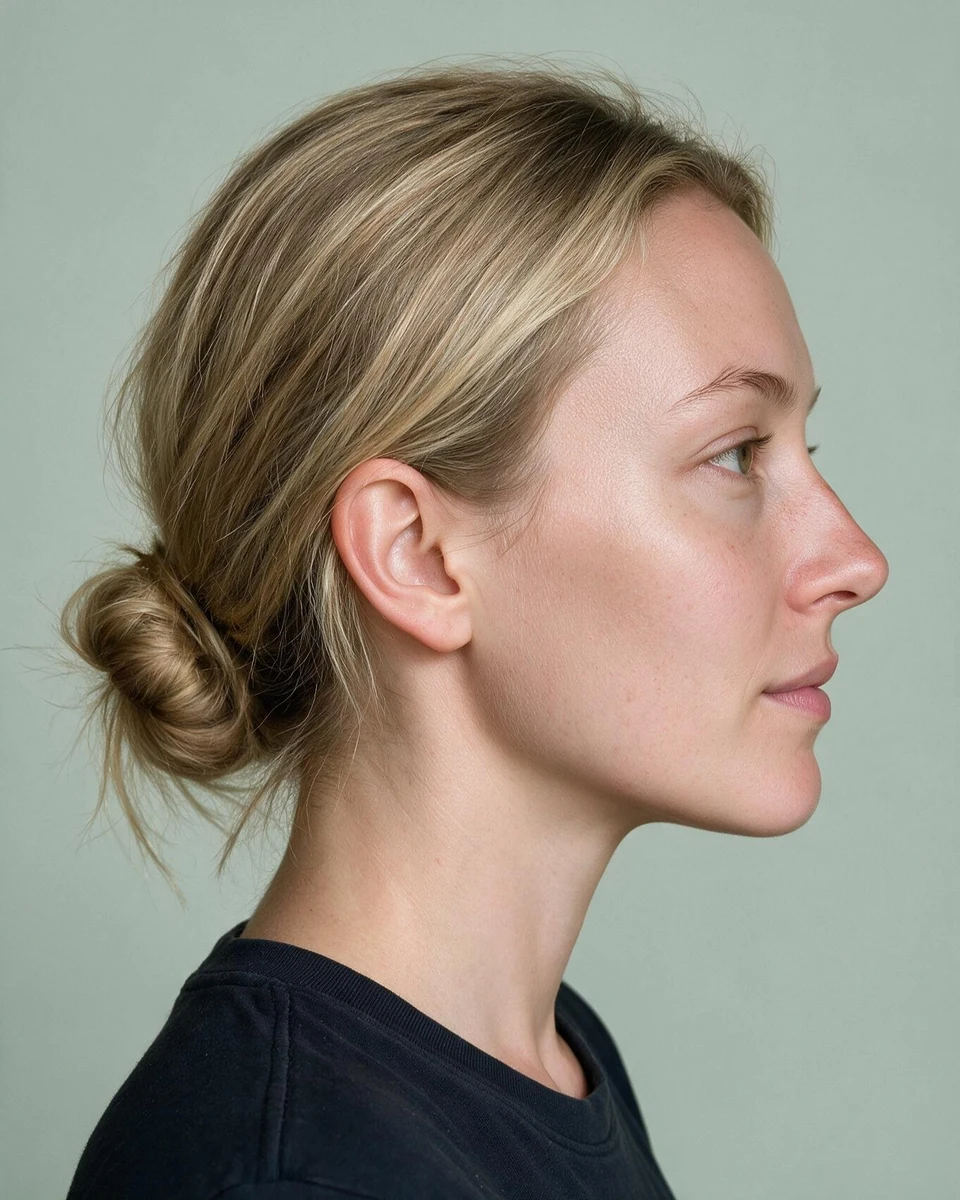
An open mouth drops the chin back, so the middle of the face looks further forward against it. With your teeth lightly together and the phone about 1.5 m away, a side photo shows where it really sits.
Try it on an example, or add your own side photo and the dots find your brow, nose base and chin. See whether the middle of your face sits back.
Free, and your photo never leaves this device.
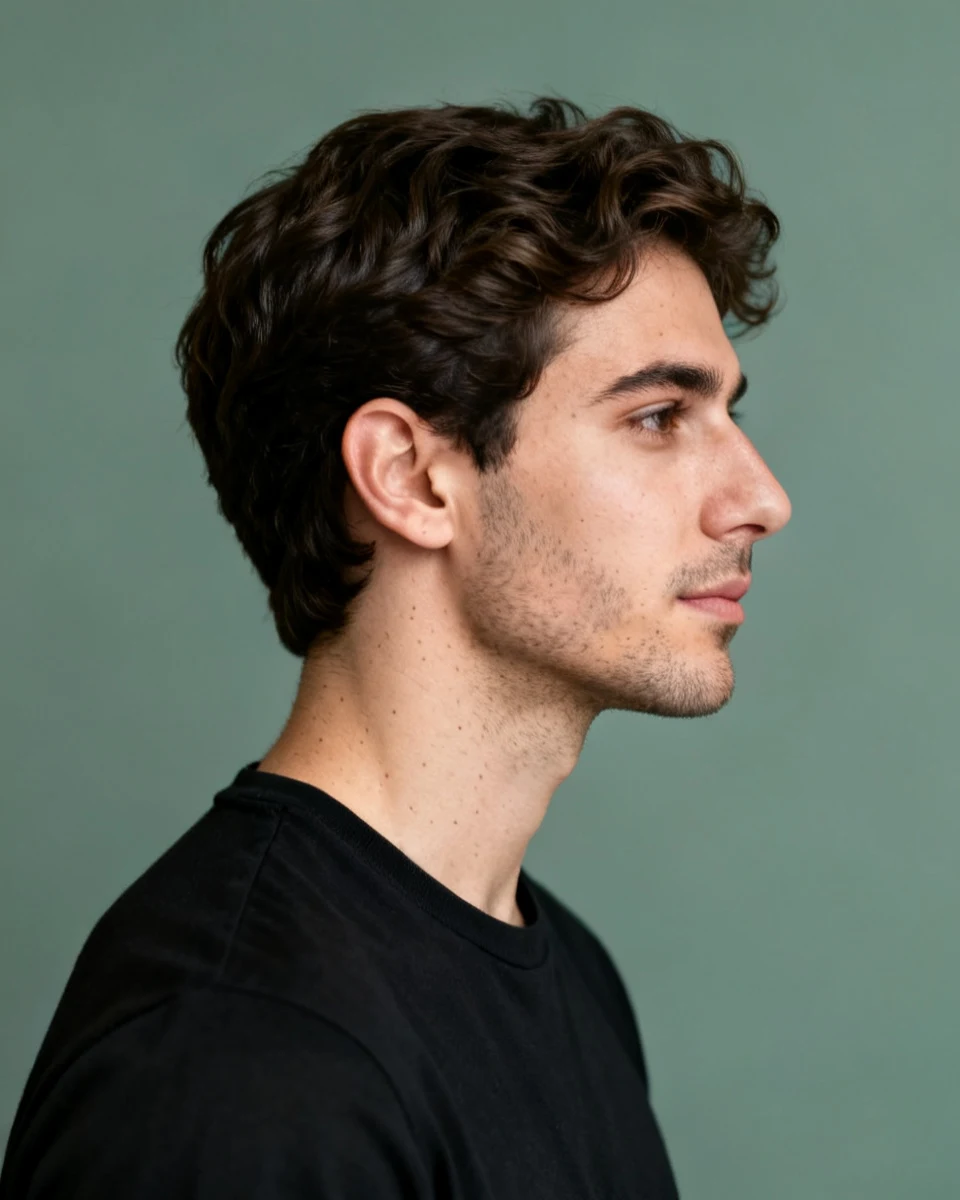
Drag a dot to fine-tune it.
The middle of this face
Typical
The base of the nose sits a little in front of the dashed line, as in most faces. No sign the middle of the face sits back.
What changes how it looks
See what suits your face, free
Free: your face shape, strengths and first tips from one selfie. CEVO's 169-test reports add your side profile.
Start free scanDrag a dot or move it with the arrow keys.
See what suits your face, free
Start free scanTap one to see what it means.
This face
The base of your nose sits a little in front of the dashed line, as in most faces. No sign the middle of your face sits back.

Prop your phone at eye level, about 1.5 m away. Too close, and CEVO asks for another photo.
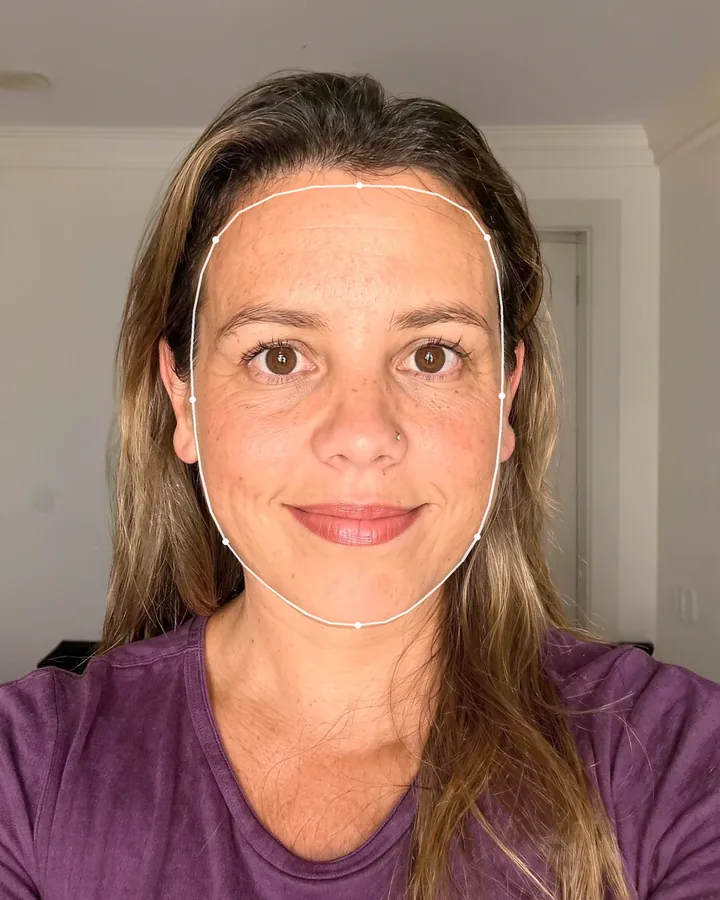
Free: your face shape, your strengths and your first tips, in plain words.
See how many more tips are waiting for you. Unlock them only if you want them.
Start with one selfie
Your face shape and what suits you, free.
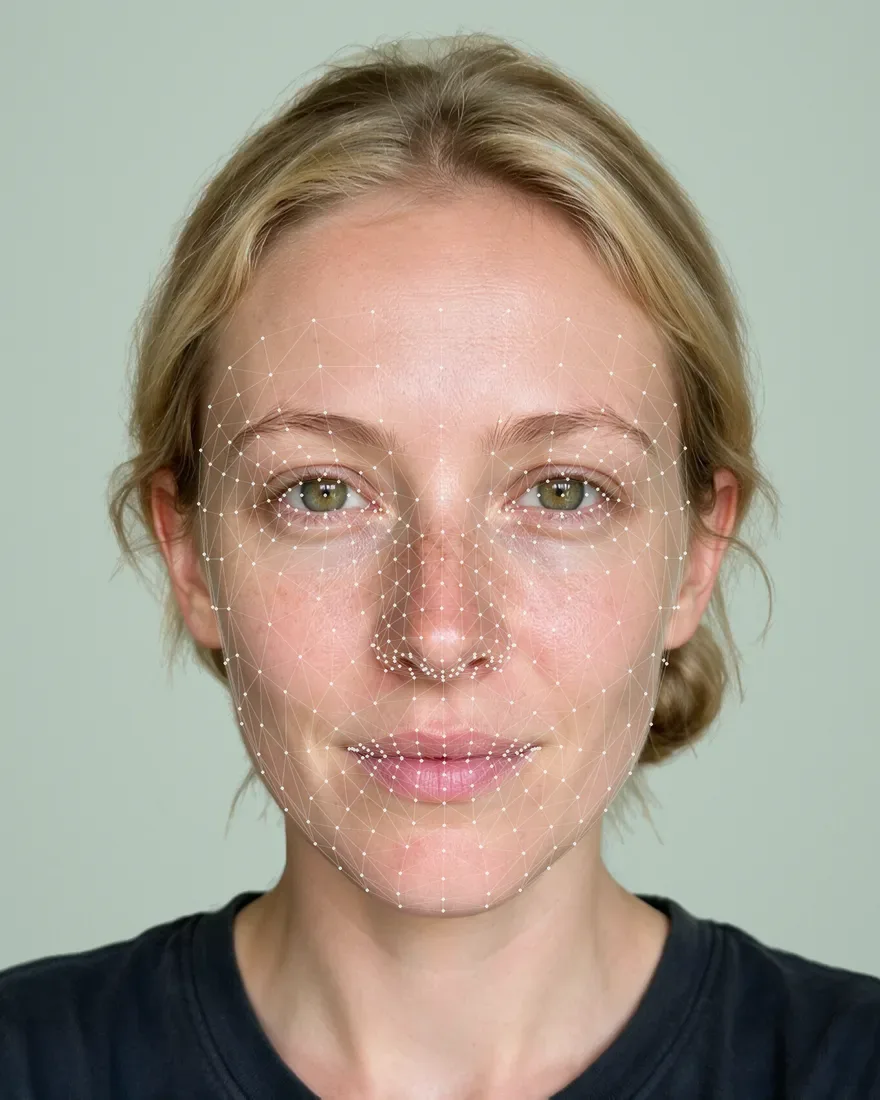
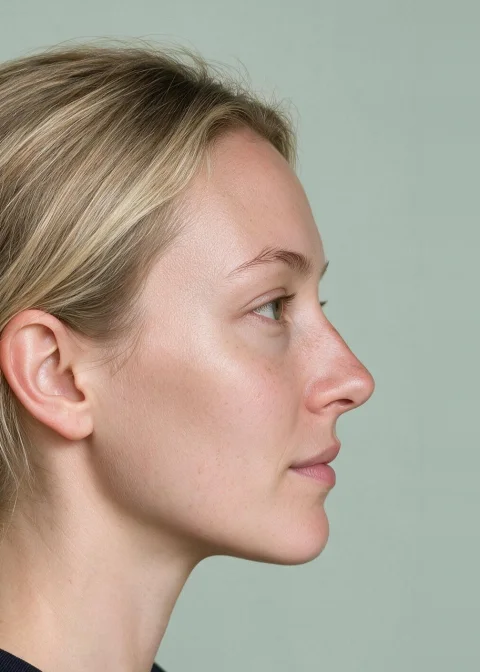
Every point of your face mapped from one selfie, plus a side photo for your profile.
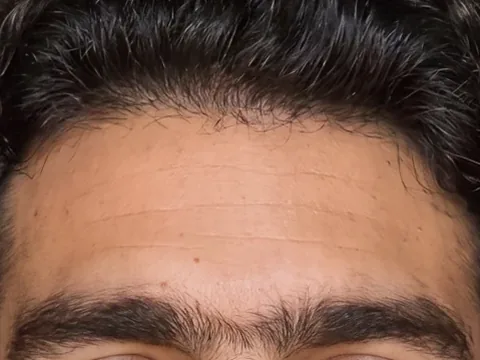
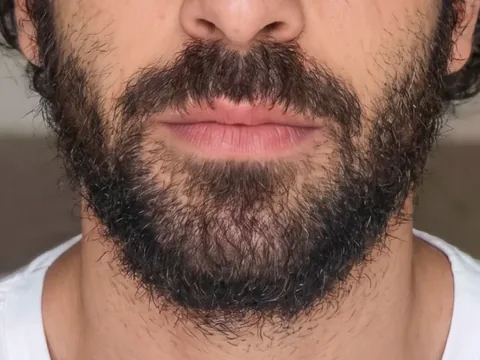
Twelve regions of your face measured, from brows to jawline, plus the age your face reads as.
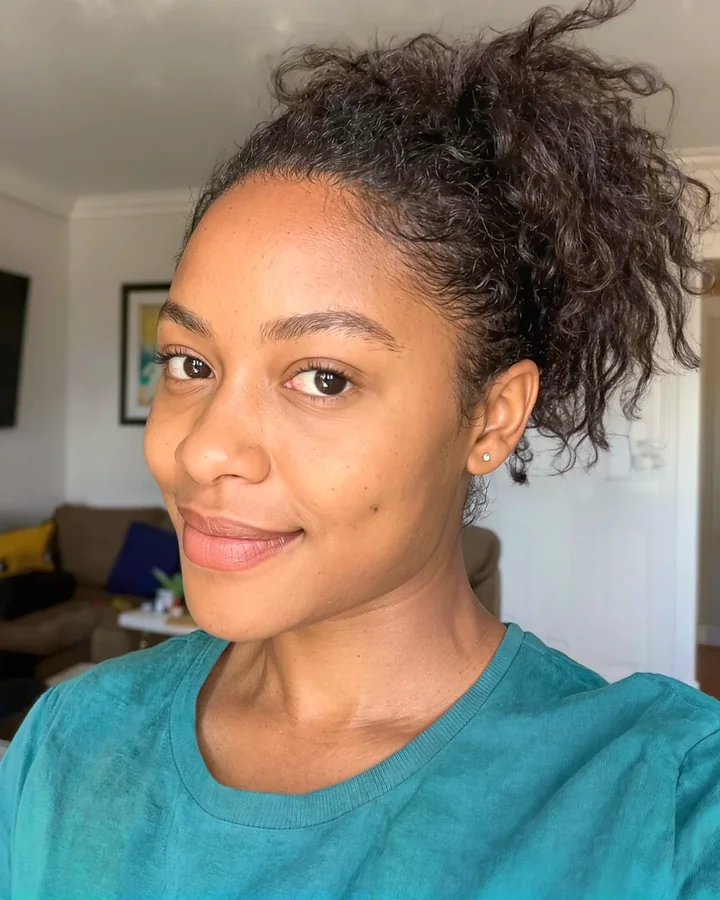
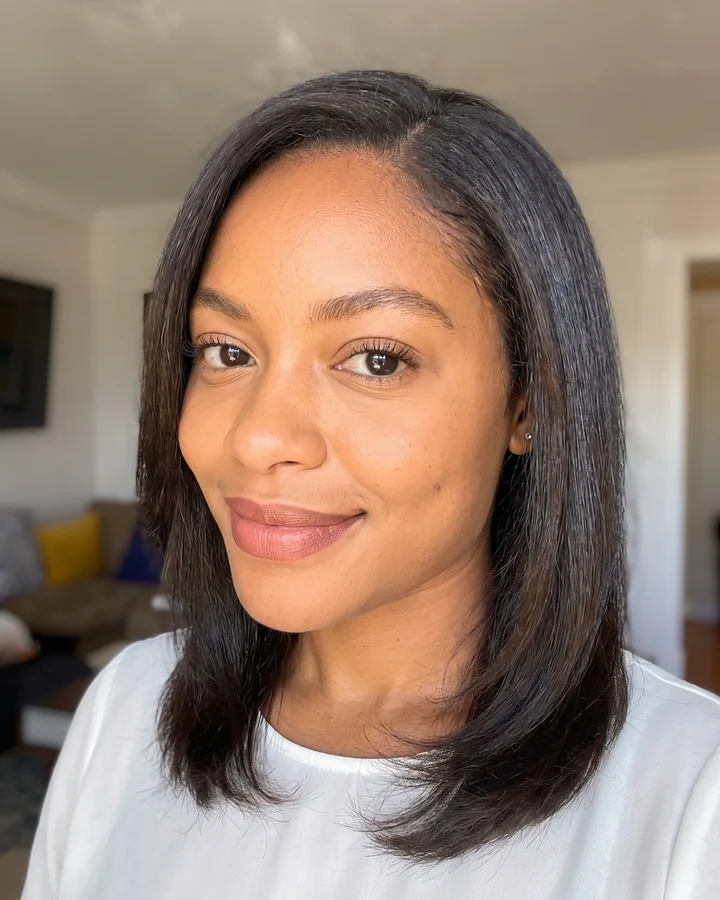
Hair, brows and skin changed on your photo. Your bone structure stays as it is.
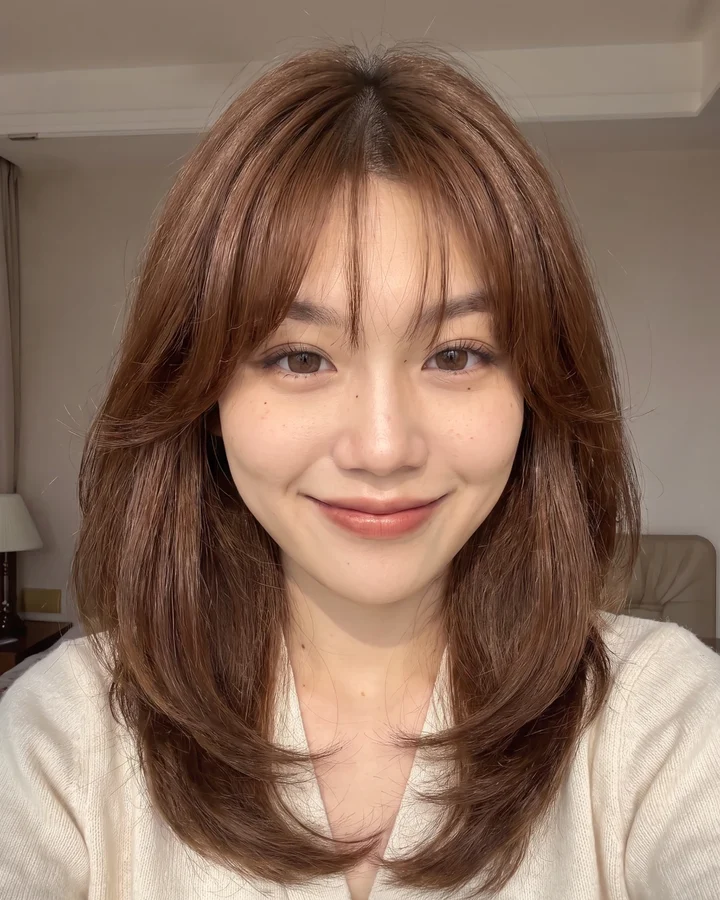
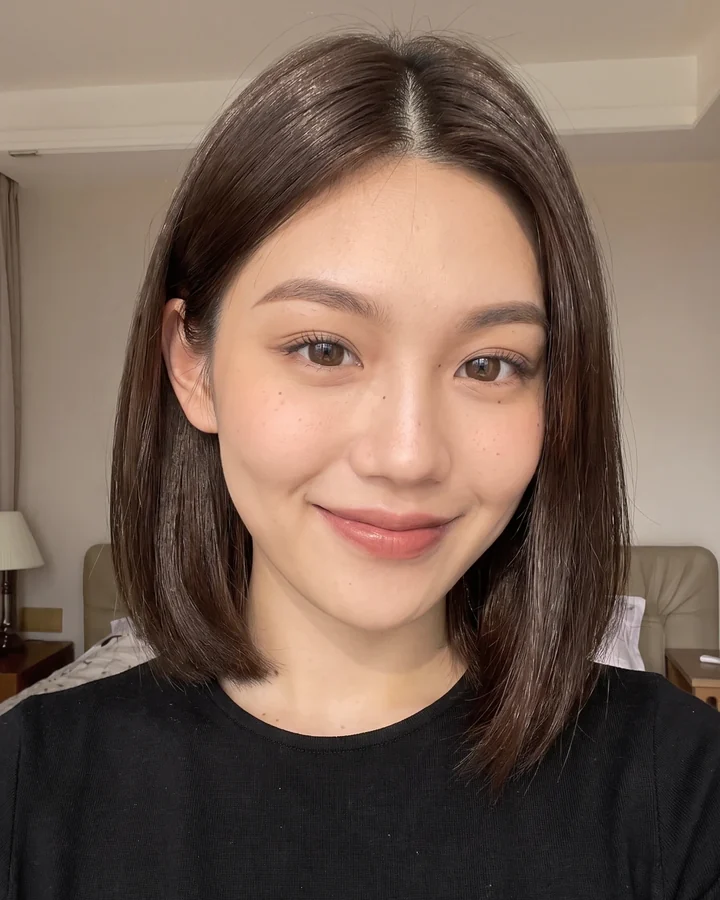
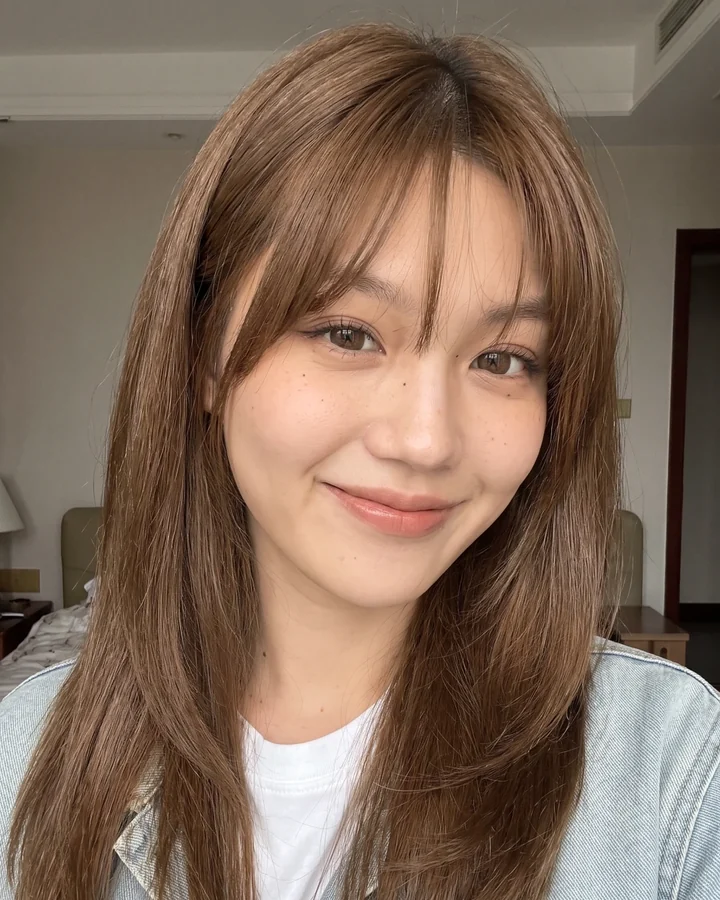
The cuts that suit your face shape, side by side.
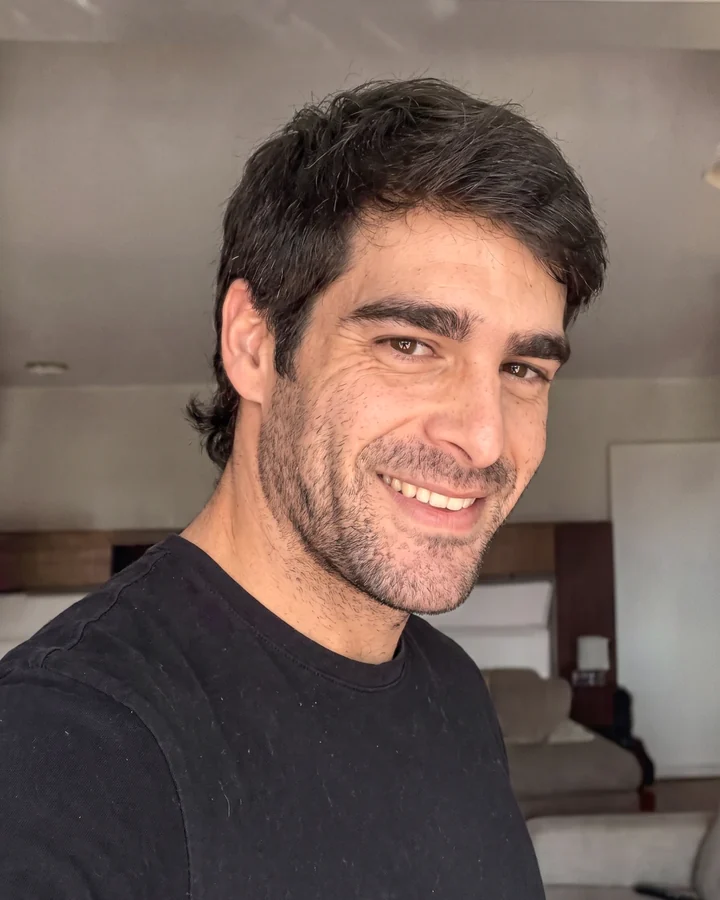

Brow shape, beard length and makeup picked for your features.

Hair, skin and grooming steps to follow for 90 days, made for your face.
$29
$59 Recommended
$119
One payment, no subscription. Every report is checked by our team and ready within 24 hours.
Your maxilla is your upper jaw. Recessed means the middle of your face sits further back than your brow and chin. A side photo shows how your brow, the base of your nose and your chin line up, not which bone is behind them.
Mostly the camera. A close phone makes your nose look bigger, so the cheeks behind it look flatter. Shoot from about 1.5 m (5 ft) with your teeth together.
Check where the base of your nose sits against the dashed brow-to-chin line. Well in front of it usually means the chin sits back. Close to it or behind it, the upper jaw may sit back or the chin forward. To tell which, the E-line calculator checks where your lips sit against your nose and chin.
No. In adults, tongue posture doesn't move bone, and the upper jaw is mostly bone.
We measure the angle at the base of your nose, between your brow and the front of your chin. Below: where your angle sits next to other people's, the ranges, what changes the reading, and our sources.
Adults avg 168° ± 4° (two in three adults 164°–172°), one norm for men and women
Shaded: about two in three adults, 164°–172°. The test calls 160°–176° typical.
If you scroll through social media, you will see people pointing at almost any normal photo and calling it a "recessed maxilla." In orthodontics and facial surgery (Legan & Burstone 1980; Arnett & Bergman 1993), it comes down to three points down the center of your face: your brow ridge (glabella), the base of your nose right above your upper lip (subnasale) and the front of your chin (pogonion):
160°; when the base of the nose sits further back, the three points form a nearly straight line and the base of the nose reaches the dashed brow-to-chin line.Convexity = angle at the nose base between the brow and the chin · norm about 168° ± 4° for adults (Legan & Burstone 1980)
A close camera flattens the middle of the face. A photo taken from about 30 cm (12 in) makes the nose look about 4% wider than one taken from about 1.5 m (5 ft), in CEVO's selfie study; measured against the cheekbones, Ward et al. (2018) put it at about 30%. On a side photo the nose sits closest to the lens, so it looks bigger, and the cheeks and upper jaw behind it look flatter and further back than they are.
An open mouth lowers the angle. When the mouth opens, the chin drops down and back, so the angle at the base of the nose reads lower and the middle of the face looks further forward against the chin. Nodding your head up or down doesn't change it: the brow, nose and chin turn together, so the angle between them stays the same.
For a true reading, prop the phone about 1.5 m away at eye level rather than holding it about 30 cm from your face, turn your whole body sideways and keep your teeth lightly together.
Legan & Burstone (1980) give one norm for adults: a profile angle of about 168° ± 4°, with no separate figure for men and women (they write it as 12° ± 4° of convexity, which is 180° minus this angle). The test uses the same ranges for men and women.
The test calls 160°–176° typical: two standard deviations either side of that average, which covers about 95 in 100 adults. It is wider than the average range on purpose, because a dot a few pixels off moves the angle a few degrees, and a slipped dot shouldn't push an ordinary face out of it.
Where you put the dots moves the angle by a few degrees. On the example photo the brow and chin dots sit about 310 px apart; moving the nose-base dot 5 px forward or back (1.6% of that distance) changes the angle by about 4°, and a 10 px slip by about 8°. So a reading near the edge of a range could go either way. Place the dots on the skin, not in front of it.
| Profile | Angle | What it means |
|---|---|---|
| Nose base behind the line | above 184° | The base of the nose sits clearly behind the brow-to-chin line: the middle of the face sits back, or the chin sits forward. |
| Flatter middle | 177°–184° | The base of the nose sits close to the brow-to-chin line, just in front of it or just behind it, so the middle of the face looks flatter than in most faces. The upper jaw may sit back, or the chin may sit forward. |
| Typical | 160°–176° (average 168° ± 4°) | The base of the nose sits a little in front of the brow-to-chin line, as in most faces. |
| Curved profile | below 160° | The base of the nose sits well in front of the brow-to-chin line. Usually the chin sits a little back; the upper jaw is not set back. |
To tell a flat upper jaw from a chin that sits back, orthodontists also look at where the lips sit against a line from the nose tip to the chin. Ricketts (1968) put the upper lip about 4 mm and the lower lip about 2 mm behind it. The E-line calculator checks that.
Once your face has finished growing, thumb-pulling or clenching your jaw won't push bone forward. These three everyday changes do affect how your side profile looks:
An open mouth drops the chin back, so the middle of the face looks further forward against it. With your teeth lightly together and the phone about 1.5 m away, a side photo shows where it really sits.
If your profile reads Curved profile, a beard kept a little longer at the chin, with the neck kept tight, brings the chin forward. Some volume at the crown balances the face from the side.
If your profile reads Flatter middle or Nose base behind the line, a short, full moustache adds shape in front of the upper lip from the side, and blush or highlighter high on the cheekbone, brought toward the nose, adds shape to the middle of the face.
Legan HL, Burstone CJ (1980). Soft tissue cephalometric analysis for orthognathic surgery. Journal of Oral Surgery, 38(10), 744–751.
Arnett GW, Bergman RT (1993). Facial keys to orthodontic diagnosis and treatment planning. Part II. American Journal of Orthodontics and Dentofacial Orthopedics, 103(5), 395–411.
Naini FB, Moss JP, Gill DS (2006). The enigma of facial beauty: esthetics, proportions, deformity, and controversy. American Journal of Orthodontics and Dentofacial Orthopedics, 130(3), 277–282.
Ricketts RM (1968). Esthetics, environment, and the law of lip relation. American Journal of Orthodontics, 54(4), 272–289.
Ward B, Ward M, Fried O, Paskhover B (2018). Nasal Distortion in Short-Distance Photographs: The Selfie Effect. JAMA Facial Plastic Surgery, 20(4), 333–335.
A few minutes: your face shape, your strengths and your first tips.
Start free scan